The short version
- Over 15,000 families have fled to El Obeid since mid-July, joining hundreds of thousands already displaced by the ongoing civil war between state forces and militia groups.
- Critical infrastructure remains damaged from recent drone strikes, leading to severe shortages of water and skyrocketing food prices that threaten famine conditions in the region.
- Drone attacks now account for half of all violent incidents in Sudan, with reports of secondary strikes targeting rescue efforts causing significant trauma among civilians.
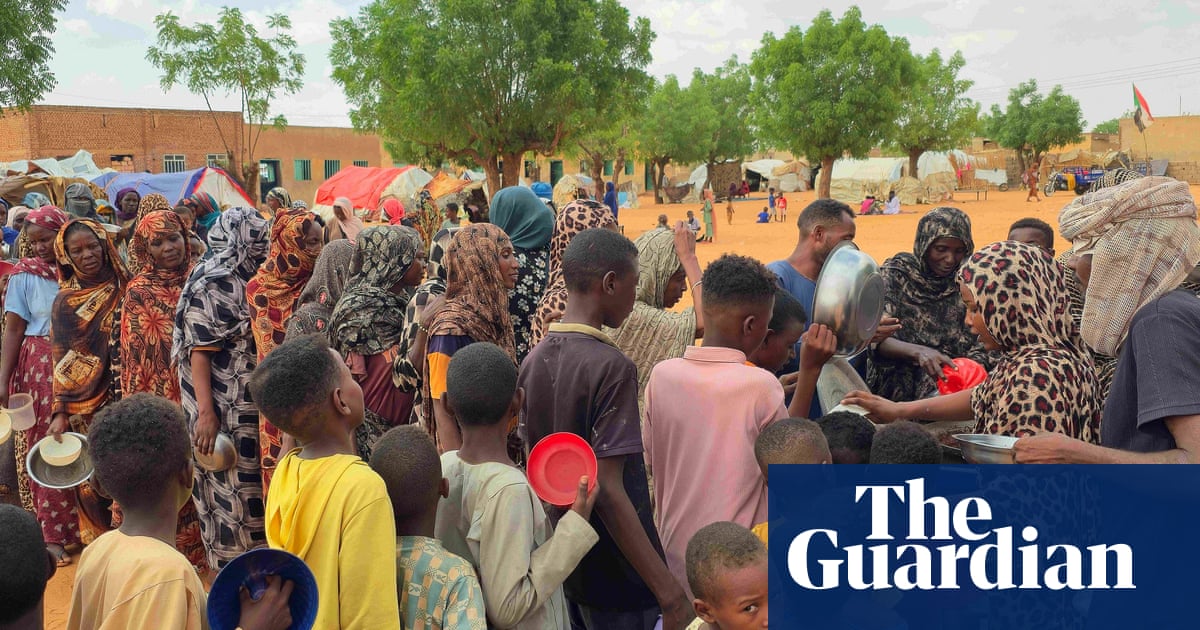
The humanitarian situation in El Obeid, the capital of North Kordofan province, is deteriorating rapidly as a continuous influx of civilians fleeing conflict zones overwhelms local resources. The city, which held approximately half a million residents before the war began more than three years ago, has become a primary refuge for those escaping violence between the Sudanese Armed Forces and the Rapid Support Forces militia. According to government figures cited by Save the Children, over 200,000 people arrived in the first half of this year alone. Since mid-July, an additional 15,000 families have joined them, arriving daily from surrounding countryside areas where fighting persists.
Many of these new arrivals enter the city on foot with minimal possessions, often suffering from trauma and immediate food insecurity. While some are absorbed into existing urban structures, tens of thousands reside in two major tented camps on the outskirts. Satellite analysis by the Yale Humanitarian Research Lab indicates a sharp increase in camp density, with 800 new tents appearing in one location between early and late August. Paul Byars, country director for the Danish Refugee Council, observed hundreds of arrivals from nearby villages in a single morning during a recent visit. He noted that authorities estimate 85 percent of these displaced individuals are women and children, as many men remain behind to manage agricultural cycles.
The broader context of this displacement is a civil war that erupted in April 2023 following a power struggle between the armed forces and the RSF. Since then, approximately 11.3 million people have been displaced nationwide, representing more than one-fifth of Sudan’s population. Estimates of fatalities range from tens to hundreds of thousands, including a reported massacre of over 10,000 people in El Fasher in October 2025 after an 18-month siege. Parts of the country, including North Kordofan, are now at significant risk of famine due to disrupted supply chains and ongoing violence.
A notable shift in the nature of the conflict is the increased reliance on drone warfare. Data from Acled, a conflict tracking group, shows that drones now account for half of all violent incidents in Sudan, up from just 4 percent at the start of the war. Both sides utilize these weapons, but RSF usage has become more volatile since supply lines were interrupted by regional tensions earlier this year. This has led to fewer but more targeted strikes. In El Obeid, a surge in drone attacks in June prompted UN warnings about potential repeats of the devastation seen in El Fasher. Although the frequency of strikes has decreased recently, they continue to cause civilian casualties and injuries.
Volunteers on the ground report a disturbing trend of double-tap drone strikes, where a second drone targets rescuers responding to an initial attack. Maryam, a humanitarian volunteer who requested anonymity for safety reasons, described the psychological toll of living under constant threat of aerial bombardment. The sound of drones hitting nearby locations has become a pervasive source of anxiety and trauma for residents. This tactic not only endangers civilians directly but also hampers emergency response efforts, leaving victims without timely medical or logistical support.
Infrastructure damage further exacerbates the crisis. Water and power systems in El Obeid have not fully recovered from RSF drone strikes earlier this year. Esperanza Santos, an emergency coordinator for Médecins Sans Frontières, highlighted that a major water source north of the city remains severely damaged and unrepaired. Consequently, both urban residents and camp inhabitants rely heavily on water trucking, which is insufficient to meet demand. Hospitals and other critical facilities face similar constraints, limiting their ability to provide adequate care to the growing number of displaced persons.
Economic pressures are mounting as food prices skyrocket due to threats against delivery trucks. World Food Programme data reveals that the cost of a liter of groundnut oil in North Kordofan rose to 17,000 Sudanese pounds in July, up from 13,000 in June and 7,700 a year prior. Prices for wheat flour and meat have also more than doubled over the past twelve months. These inflationary trends make it increasingly difficult for displaced families to secure basic nutrition, compounding the physical dangers posed by the conflict.
While the armed forces recaptured a key road leading north to Khartoum in late July, partially lifting the threat of siege, violence continues in surrounding districts. Acled data shows 322 incidents of violence affecting civilians in the wider Kordofan region so far this year, compared to 388 for all of 2025. Both RSF and SAF forces have been implicated in civilian casualties, including a recent incident where five people were killed and ten injured by armed forces and allied militia northeast of El Obeid. The combination of ongoing hostilities, infrastructure failure, and economic hardship creates a precarious environment with little immediate relief in sight.
The convergence of mass displacement, infrastructure collapse, and evolving warfare tactics presents a complex challenge for humanitarian organizations. With no clear end to the conflict in view, the capacity of El Obeid to absorb more refugees is nearing its limit. International attention remains focused on preventing famine and ensuring safe passage for aid deliveries, yet the volatility of drone strikes and ground fighting continues to undermine these efforts. The coming months will likely see further strain on resources as seasonal factors and military movements influence the flow of displaced persons.
As the situation evolves, the distinction between combatants and civilians becomes increasingly blurred in areas like El Obeid. The reliance on aerial warfare has changed the dynamics of urban conflict, making traditional shelter less effective and increasing the risk to those attempting to provide assistance. Without significant de-escalation or improved security for aid corridors, the humanitarian crisis in North Kordofan is expected to deepen, posing long-term consequences for stability and recovery in Sudan.
Sources behind this briefing
Go to the original reporting
- The Guardian World↗Humanitarian crisis worsening in refuge for civilians fleeing Sudan’s civil war

