The short version
- Supercharged El Niño conditions have driven severe wildfires in Indonesia, affecting habitats critical to endangered orangutans and other species.
- Conservation groups report that over half of the Bornean orangutan population's range is currently impacted by fire or smoke-related stress.
- Rescue operations are underway for displaced animals, though experts warn of long-term ecological damage including reduced food availability and health risks from smog.
Wildfires fueled by extreme dryness associated with the El Niño climate phenomenon are spreading rapidly across Indonesia, causing significant distress to wildlife populations. The blazes have intensified in recent weeks, moving through forests and peatlands in Sumatra, Kalimantan, and Papua. This surge in fire activity has prompted urgent warnings from international conservation bodies regarding the potential for mass casualties among vulnerable species, particularly orangutans.
The current crisis is distinct from typical annual burning events often used for land clearing. The supercharged El Niño has created exceptionally arid conditions, allowing fires to expand beyond controlled areas and ignite difficult-to-extinguish peatlands. These underground smoldering fires are exacerbated by decades of drainage for industrial agriculture, which has left vast tracts of soil highly flammable rather than waterlogged.
According to primate specialists from the International Union for Conservation of Nature, habitat containing more than half of the total Bornean orangutan population is now affected. The impact extends beyond apes; five species of endangered gibbons are also facing habitat loss. Additionally, environmental monitoring groups have detected thousands of fire hotspots within Sumatran elephant ranges over recent months, indicating a broad ecological threat.
On the ground, rescue organizations are working to evacuate animals trapped in burning zones. Teams from non-profits like Yiari, alongside local conservation agencies, are searching forests for distressed wildlife. Recent operations have saved dozens of orangutans and other species, including pangolins. However, these evacuations are considered a last resort, undertaken only when forest areas are deemed completely destroyed and survival in the wild is no longer possible.
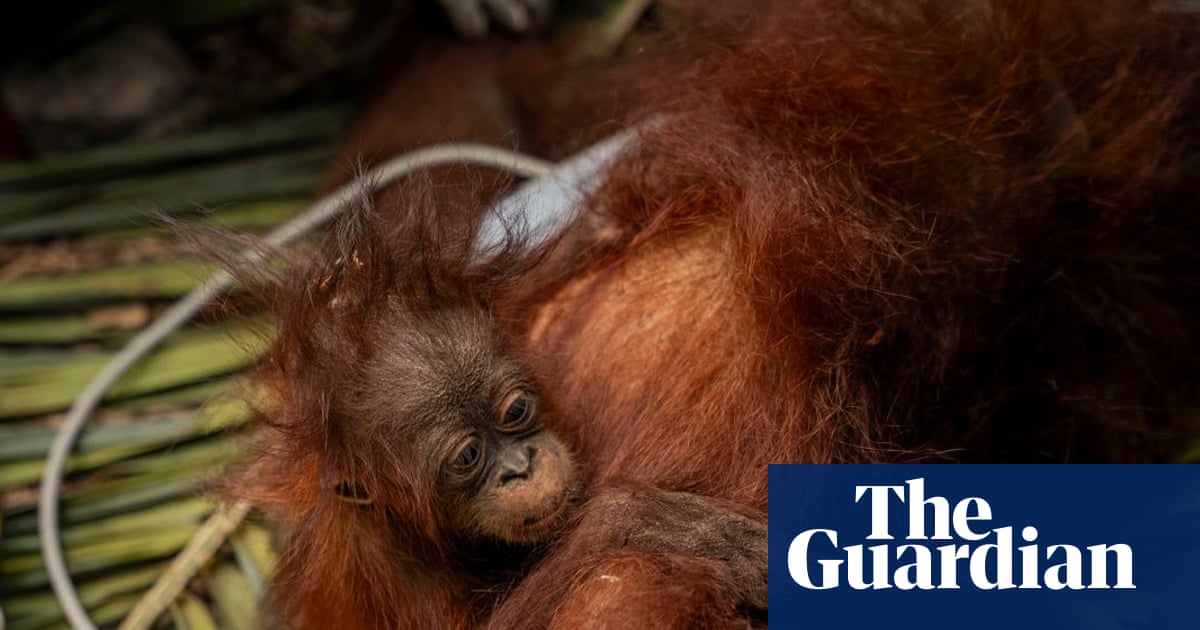
The physical toll on rescued animals is severe. Many exhibit signs of dehydration, malnutrition, and burns from walking on scorched earth. In some cases, infants clinging to their mothers have been found in critical condition. One rescued orangutan died shortly after evacuation, likely due to smoke inhalation. Veterinarians note that the lack of rain for extended periods has left forests devoid of leaves and fruit, leaving animals with no natural food sources.
Even those that survive the immediate danger face long-term challenges. The dense smog produced by the fires blocks sunlight, inhibiting photosynthesis and leading to unusual leaf litterfall in surviving trees. This reduction in foliage occurs precisely during the dry season when orangutans rely heavily on leaves and flowers for sustenance. Experts warn that food scarcity will persist well after the flames are extinguished.
Health impacts from prolonged exposure to thick smoke are another concern for both wildlife and local communities. Animals displaced by fires may be forced into closer proximity, increasing the risk of conflict and disease transmission. While some species like proboscis monkeys and various snakes have been found dead, many others remain unreachable due to the scale of the burning areas.
Government officials indicate that the wildfires could continue until early November, with the rainy season expected to arrive later than usual. Environmental groups estimate that hundreds of thousands of hectares were damaged in August alone. As the crisis unfolds, international assistance is being called for to help control the fires and support conservation efforts aimed at mitigating the long-term effects on Indonesia's biodiversity.
The situation underscores the vulnerability of ecosystems to climate-driven extreme weather events. While annual fires are a known issue in the region, the intensity and spread driven by El Niño represent a significant escalation. Conservationists emphasize that without immediate intervention, the cumulative damage to habitats could have irreversible consequences for endangered species already struggling with habitat loss and fragmentation.
Sources behind this briefing
Go to the original reporting
- The Guardian US↗‘The toll is huge’: El Niño-driven wildfires overwhelm Indonesia’s orangutan population