The short version
- Gadi Eisenkot has received a mandate from President Isaac Herzog to form a new Israeli government within twenty-eight days.
- The former army chief must navigate deep polarization, balancing demands for military service reform with the need for parliamentary support.
- Eisenkot faces pressure from both Netanyahu’s allies and Arab-led parties, while dealing with allegations of electoral interference that lack substantiation.
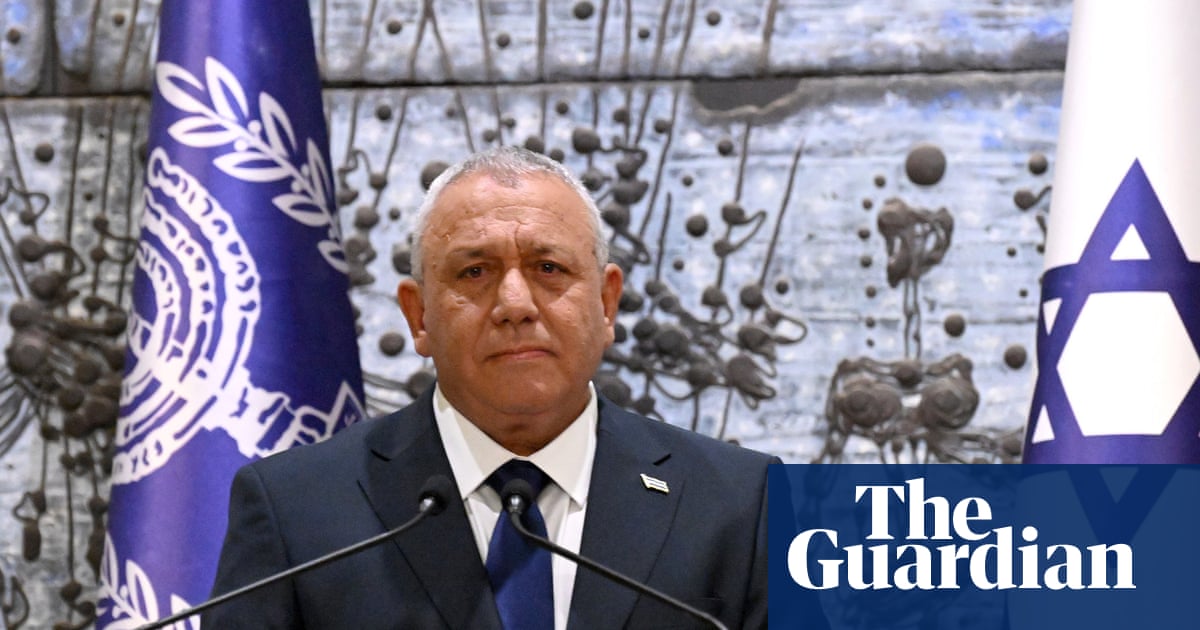
Gadi Eisenkot has officially commenced the complex process of assembling a new Israeli government, marking a significant shift in the nation’s political landscape. The former military chief received his mandate from President Isaac Herzog on Sunday, tasked with securing a majority coalition within twenty-eight days. Eisenkot, leader of the Yashar party, framed the moment as critical, describing the country as approaching a point of no return due to the historic crisis precipitated by Prime Minister Benjamin Netanyahu’s tenure. He emphasized the necessity of forming a national emergency government through creative and unconventional political measures.
The path to power is fraught with structural challenges. Eisenkot’s opposition bloc secured forty-eight seats in the recent October elections, falling short of the sixty-one votes required for a majority. Meanwhile, Netanyahu’s camp holds fifty-three seats, leaving neither side with a clear mandate to govern alone. This deadlock forces Eisenkot to seek support from outside his immediate coalition, requiring him to bridge deep ideological divides. He has indicated openness to negotiations with Likud members and far-right factions, provided they accept his leadership as prime minister rather than engaging in a power-sharing arrangement that might dilute his authority.
A central pillar of Eisenkot’s platform involves addressing the longstanding issue of military service exemptions for ultra-Orthodox communities. He and his partners have made equal military service a non-negotiable campaign promise, seeking to end the draft exemptions that have fueled social tension. However, this stance complicates potential alliances with ultra-Orthodox parties, which demand the preservation of these exemptions. Eisenkot must therefore weigh the political cost of alienating these groups against the need for broader parliamentary support, a balancing act that could determine the stability of any emerging government.
Another critical variable in the coalition calculus is the role of Arab-led parties, which made unprecedented gains in the recent vote. These lists have endorsed Eisenkot’s mandate and could serve as kingmakers in the fragmented parliament. However, their inclusion faces significant internal resistance; conservative partners like Yisrael Beiteinu have already ruled out joining a coalition with Arab parties. Eisenkot has outlined strict conditions for any such partnership, including recognition of Israel as a Jewish state and the designation of Hamas as a terrorist organization. These prerequisites aim to mitigate domestic backlash while attempting to broaden the government’s base.
The political environment is further strained by allegations of electoral irregularities. Netanyahu has repeatedly claimed that the election was stolen due to high turnout among Arab voters, though he has provided little evidence to substantiate these assertions. Israel’s Shin Bet security agency has launched an investigation into potential foreign interference, but the Central Elections Committee and President Herzog maintain that the vote was valid. They argue that even if wrongdoing were discovered, it would not have significantly altered the outcome. This dispute underscores the deep mistrust characterizing the current political climate.
International pressures also loom large over the formation process. Eisenkot and Herzog have acknowledged Israel’s growing diplomatic isolation under Netanyahu, who faces warrants from the International Criminal Court. The recent midterm elections in the United States saw Democrats gain ground, accompanied by calls to reassess support for Israel following the devastation in Gaza and the conflict with Iran. Eisenkot described the situation as a devastating diplomatic crisis, noting that even close allies are reevaluating their relationships with Israel. This external pressure adds urgency to his mission of restoring stability and international standing.
Eisenkot’s approach contrasts sharply with Netanyahu’s divisive style. As former chief of staff during the 2006 war with Hezbollah, Eisenkot is known for his hardline stance on security, including the Dahiya doctrine which advocates for massive force against civilian infrastructure in enemy-controlled areas. Yet he has vowed to crack down on extremist West Bank settlers who have attacked Palestinians with impunity, labeling such acts as Jewish terror abetted by the previous government. He opposes the creation of a Palestinian state but remains committed to ending Hamas’s rule in Gaza and dismantling its military capabilities.
The coming weeks will test Eisenkot’s ability to unite a fractured polity. If he fails to secure a majority within the allotted time, Herzog can extend the deadline by fourteen days. However, prolonged instability risks further eroding public confidence and international support. Netanyahu is expected to continue his pressure tactics, warning against alliances with Arab parties as acts of betrayal. The fragility of potential unity governments in Israel’s history suggests that any coalition formed under these conditions will face immediate scrutiny and potential collapse if internal disagreements are not managed carefully.
Sources behind this briefing
Go to the original reporting
- The Guardian US↗Gadi Eisenkot reaches out to Netanyahu allies as he strives to form government


