The short version
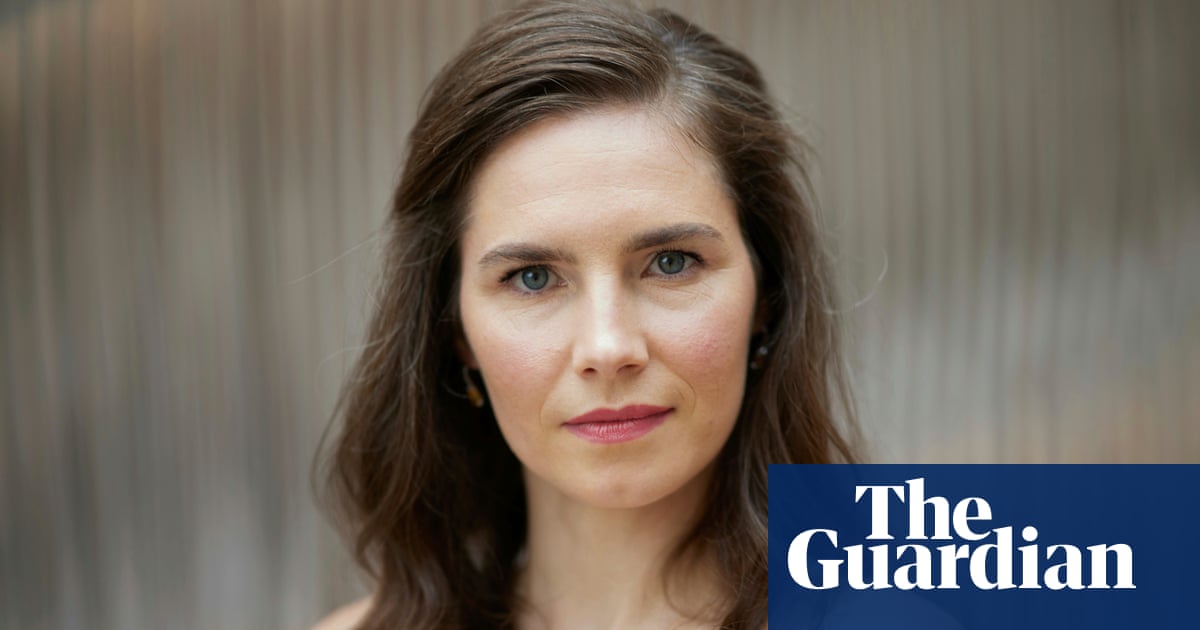
- The Edinburgh Festival Fringe has refused to cancel Amanda Knox's comedy show despite a petition signed by over 6,000 people and strong objections from the family of her murdered flatmate.
- Knox describes the performance as an exploration of motherhood and truth-telling that honors Meredith Kercher, while critics argue it normalizes violence against women.
- Festival officials maintain that artistic freedom remains paramount, stating that controversy is not a valid criterion for removing works from the open-access event.
The Edinburgh Festival Fringe has firmly rejected demands to remove Amanda Knox’s comedy performance from its lineup, asserting that the event will proceed despite significant public backlash. Organizers stated they are unafraid of controversy and emphasized that the decision to stage the show rests with the artist and her venue, not with external pressure campaigns. This stance highlights the festival's longstanding commitment to providing a platform for diverse voices, even when those voices provoke intense debate or discomfort among specific communities.
The controversy centers on Knox’s one-woman show, titled Cartwheel, which has drawn sharp criticism from the family of Meredith Kercher, the British student whose 2007 murder in Italy led to Knox’s wrongful conviction. Stephanie Kercher, Meredith’s sister, has condemned the performance, arguing that it trivializes and normalizes violence against women. She noted that while individuals are free to live their lives as they choose, the use of comedy in this context is particularly problematic given the tragic nature of the underlying events.
A petition calling for the cancellation of the show has garnered more than 6,000 signatures, reflecting widespread concern among some segments of the public. However, Knox has pushed back against these criticisms, describing the petition as based on false assumptions and a mischaracterization of her work. In a statement, she clarified that the performance does not joke about Kercher’s death but instead explores themes of motherhood and the challenges of raising a daughter in a world perceived as unfair and dangerous for women.
Knox, who was acquitted by Italy’s highest court in 2015 after years of legal battles, maintains that her show honors Kercher’s memory by calling out the violence inflicted upon both her and the victim. The title Cartwheel references a widely circulated but unproven allegation that Knox performed cartwheels at a police station following the discovery of Kercher’s body. Knox has previously stated that this narrative is part of the broader media distortion she experienced, rather than a subject of humor in her current performance.
Tony Lankester, director of the Fringe Society, explained that while organizers sympathize with the pain described by the Kercher family, they cannot allow individual cases to dictate programming decisions. He emphasized that sympathy for personal tragedy cannot serve as a lens through which artistic content is judged or censored. This position underscores the festival’s role as an open-access event where artists assume full creative and financial responsibility for their work.
The Gilded Balloon Teviot, the venue hosting Knox’s performance, echoed these sentiments in a public statement. They affirmed that the Fringe provides a platform for a wide range of voices within the bounds of the law, ensuring audiences can make informed choices about what they attend. The venue noted that Knox’s show is presented independently and explores complex themes related to motherhood and personal legacy.
Academic perspectives on the situation offer additional nuance. Claire Cochrane, a professor emeritus of theatre studies, acknowledged the dreadful nature of the events affecting both Kercher and Knox. She argued that campaigns against artistic products based on unexamined assumptions can undermine genuine efforts to process personal legacies of violence. Cochrane suggested that thoughtfully deployed comedy can serve cathartic and therapeutic purposes, even if she personally does not plan to attend the performance.
The legal history surrounding the case remains a backdrop to the current cultural debate. Knox and her then-boyfriend Raffaele Sollecito were initially convicted in 2009 but were later acquitted after appeals. Rudy Hermann Guede, another suspect, was convicted of Kercher’s murder and released from prison in 2021 after serving part of his sentence. These legal outcomes have shaped public perception and continue to influence how the case is viewed in media and cultural contexts.
As the festival approaches, the tension between freedom of expression and sensitivity to victims’ families remains unresolved. The Fringe’s decision to allow the show to proceed signals a prioritization of artistic liberty over potential offense. Audiences are expected to engage with the performance critically, weighing the artist’s intent against the broader implications of using comedy to address such a traumatic historical event.
The outcome of this dispute may set a precedent for how future festivals handle controversial content involving high-profile criminal cases. While some argue that censorship undermines artistic integrity, others believe that certain subjects are too sensitive for comedic treatment. The ongoing dialogue reflects broader societal questions about the boundaries of humor and the responsibilities of artists when dealing with real-world tragedies.
Sources behind this briefing
Go to the original reporting
- The Guardian World↗‘Not afraid of controversy’: Edinburgh fringe rejects calls to cancel Amanda Knox comedy

