The short version
- The Edinburgh Fringe Festival features its first dedicated sauna theatre, an 80-seat venue that merges heat exposure with live performance.
- Organizers emphasize a global tradition of sauna arts, including ritualistic steam infusion and folk storytelling, rather than treating the heat as a mere novelty.
- Attendees must wear swimwear, though some arrived unprepared, highlighting ongoing challenges in communicating venue etiquette to festival-goers.
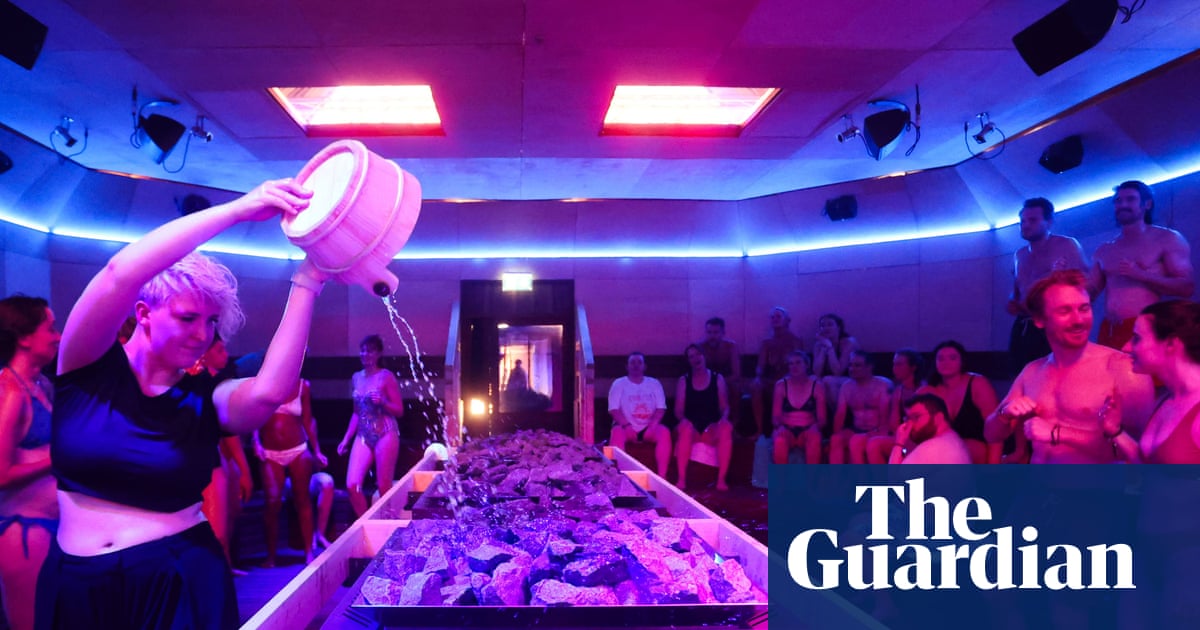
A unique cultural experiment has taken center stage at the Edinburgh Fringe Festival, marking the debut of the United Kingdom’s first dedicated sauna theatre. Located behind the Summerhall arts centre, this purpose-built venue accommodates eighty patrons in an environment where temperatures can reach ninety degrees Celsius. The space is designed not merely as a heated room but as a performance hall that integrates traditional sauna rituals with contemporary theatre, music, and storytelling.
The concept challenges the typical Fringe attendee’s expectation of absurdity or shock value. While the festival is known for experimental and sometimes bizarre performances, organizers James Grieve and Lucy Osborne insist the sauna theatre offers a more wholesome experience. Nudity is strictly prohibited, and the focus remains on the sensory integration of heat, sound, and narrative. The venue features three tiers of wooden seating surrounding three stoves, professional stage lighting, and a sound booth that maintains a slightly cooler temperature for technical operations.
Deborah Carr, who heads the sauna and trains professional masters, notes that this format is emerging in the UK but has deep roots elsewhere. She points to established traditions in countries such as Japan, Germany, and Italy, where sauna theatres can hold hundreds of people. The practice involves 'aufguss,' a ritual where sauna masters infuse water with essential oils and circulate fragrant steam using towel choreography. This process is often accompanied by music, costume, and lighting, creating a multisensory show that goes beyond simple heat exposure.
The programming reflects this blend of tradition and innovation. Daily noon performances titled 'Mysteries of the Picts' feature two sauna masters performing rituals to traditional folk music while actors narrate stories about ancient Celtic sweat houses. These historical spaces are thought to have served as community hubs in Scotland during the late Roman period. Another notable production is an adaptation of Virginia Woolf’s 'The Waves,' which leverages the text’s themes of heat, light, and water. The performance aims to help audiences feel the language physically through their skin and senses, rather than just hearing it.
Despite clear communications, logistical and etiquette challenges have arisen. Organizers report that some attendees arrived assuming the venue was metaphorical or did not require swimwear, despite email reminders. To accommodate these guests, the venue offers loaner swimsuits, which many have accepted with varying degrees of enthusiasm. The primary rule is that patrons must sit on towels, a standard sauna etiquette that has required enforcement to maintain hygiene and comfort in the shared space.
The physical demands of the experience are managed through built-in breaks during shows, though audience members are free to leave at any time. For those seeking to intensify the contrast, a cold plunge is available for the more adventurous. Facilities including showers, mirrors, and hairdryers allow visitors to refresh and return to their daily routines without significant disruption. This practical setup supports the venue’s goal of making sauna theatre accessible rather than exclusively for endurance enthusiasts.
Organizers view the festival run as an experimental phase to determine what types of work thrive in this specific environment. Grieve emphasizes the desire to find performances that only work or work best in a sauna, distinguishing the venue from other hot rooms in Edinburgh. The response so far has been positive, with attendees reporting improved physical and emotional well-being after shows. Carr observes that visitors often leave with rosy cheeks and beaming faces, citing feelings of vitality that persist throughout the day.
The success of this inaugural season may influence future iterations of the venue. Grieve and Osborne hope to return next year, anticipating that audiences will have a clearer understanding of what to expect. The experiment highlights a growing intersection between wellness practices and cultural consumption, suggesting that art can be exponentially beneficial when combined with physical therapies. As the trend spreads from Europe and Asia to the UK, this venue serves as a test case for how traditional rituals can be adapted into modern performance spaces.
Sources behind this briefing
Go to the original reporting
- The Guardian World↗Hot ticket: UK’s first sauna theatre draws swimwear-clad audiences

