The short version
- Edinburgh schools have implemented a ban on mobile phone and smartwatch use during the school day, effective immediately for the new academic term.
- The physical pouches designed to lock away devices are unavailable until September or October due to ongoing procurement testing and logistical challenges.
- Primary students must store phones in cabinets while secondary students keep devices off and out of sight until the locking system is fully deployed.
Edinburgh has officially enforced a widespread restriction on mobile phone usage within its school system, marking one of the first major local authority implementations of such measures in Scotland. The policy, which took effect as students returned from summer holidays, mandates that devices remain turned off and out of sight throughout the entire school day, including break times. This directive applies to both primary and secondary institutions and extends beyond smartphones to include smartwatches, reflecting a comprehensive approach to minimizing digital distractions in learning environments.
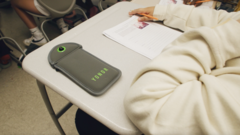
Despite the immediate enforcement of the ban, the physical infrastructure intended to support compliance is not yet in place. The council had planned for secondary school students to store their devices in magnetically sealed pouches, a system previously trialed at Portobello and Queensferry high schools. However, these locking mechanisms are currently unavailable. Primary school pupils have been instructed to keep their phones in designated cabinets instead, while secondary students must adhere to the general rule of keeping devices hidden and powered down until the pouches arrive.
City of Edinburgh Council officials attribute the delay to a complex procurement process aimed at securing value for taxpayers. James Dalgleish, the council’s education spokesman, stated that the pouches would be introduced in phases throughout September and October. He emphasized that every secondary school is expected to have the pouch system fully operational by the start of the October break at the latest. The council continues to finalize guidance regarding exemptions and reasonable adjustments for students who may require device access for specific needs.
The initiative follows a £400,000 funding agreement approved in February to support restrictions on mobile phones and other electronic devices. This investment was made after trials at two high schools indicated that the locking pouch system was broadly successful in reducing distractions. The local move aligns with broader national trends, as Education Secretary Màiri McAllan previously announced plans for all school learning environments in Scotland to become phone-free. She encouraged local authorities to implement their own restrictions before new legislation might be introduced.
The push for stricter device controls stems from growing concerns about student focus and well-being. A 2022 study revealed that approximately one-third of pupils in Scottish classrooms admitted to being distracted by mobile devices during lessons. In response, the Scottish government issued guidance in 2024 allowing head teachers to institute their own phone bans. Edinburgh’s comprehensive approach represents a significant step beyond individual school discretion, establishing a uniform standard across the city’s educational institutions.
Reactions to the delayed rollout have been mixed among stakeholders. Andy Williamson, a parent who led the campaign for the phone ban in Edinburgh schools, expressed disappointment regarding the procurement failure but acknowledged that such delays were not entirely unexpected. He noted that two schools in the city already use the same supplier, suggesting that the budget and logistics should have been manageable. Despite his criticism of the administrative delay, Williamson maintained that waiting for the proper equipment was preferable to a rushed implementation.
Williamson also highlighted the potential long-term benefits of the policy, suggesting that students would quickly adjust once the restrictions became the norm. He expressed hope that the ban would have positive knock-on effects outside of school hours, helping children realize they do not need to be constantly connected to their devices. The council has committed to keeping parents and guardians updated on the timeline for receiving pouches for their children, aiming to maintain transparency during this transitional period.
As the new term progresses, schools are navigating the interim phase where the ban is active but the physical enforcement tools are absent. This requires staff to monitor compliance through traditional means rather than relying on the automated security of locked pouches. The success of the policy in its early stages will depend on how effectively schools can enforce the 'out of sight' rule without the hardware, and whether the eventual introduction of pouches achieves the desired reduction in digital distraction as seen in earlier trials.
The situation in Edinburgh serves as a case study for other local authorities considering similar measures. It highlights the logistical challenges involved in scaling up successful pilot programs to city-wide implementations. While the intent to create phone-free learning environments is clear, the execution reveals the complexities of public procurement and the need for careful planning to ensure that policy goals are met without unnecessary disruption to the start of the academic year.
Sources behind this briefing
Go to the original reporting
- BBC News↗Phones banned in Edinburgh schools - but still no pouches to keep them in

