The short version
- The Royal Botanic Garden Edinburgh has reopened its palm houses following a five-year, £23.5 million renovation project.
- New toughened glass panels replace older glazing to prevent structural failures during high winds that previously endangered plant collections.
- While the historic shell remains intact, other greenhouses on the site still face urgent maintenance needs due to aging infrastructure.
The Royal Botanic Garden Edinburgh has resumed public access to its palm houses after a prolonged five-year restoration period aimed at securing the facility against severe weather. The project involved replacing thousands of glass panels with toughened alternatives designed to withstand the rigors of Scottish winters. This intervention addresses a persistent safety hazard where high winds previously caused glazing failures, endangering both staff and the rare botanical specimens housed within.
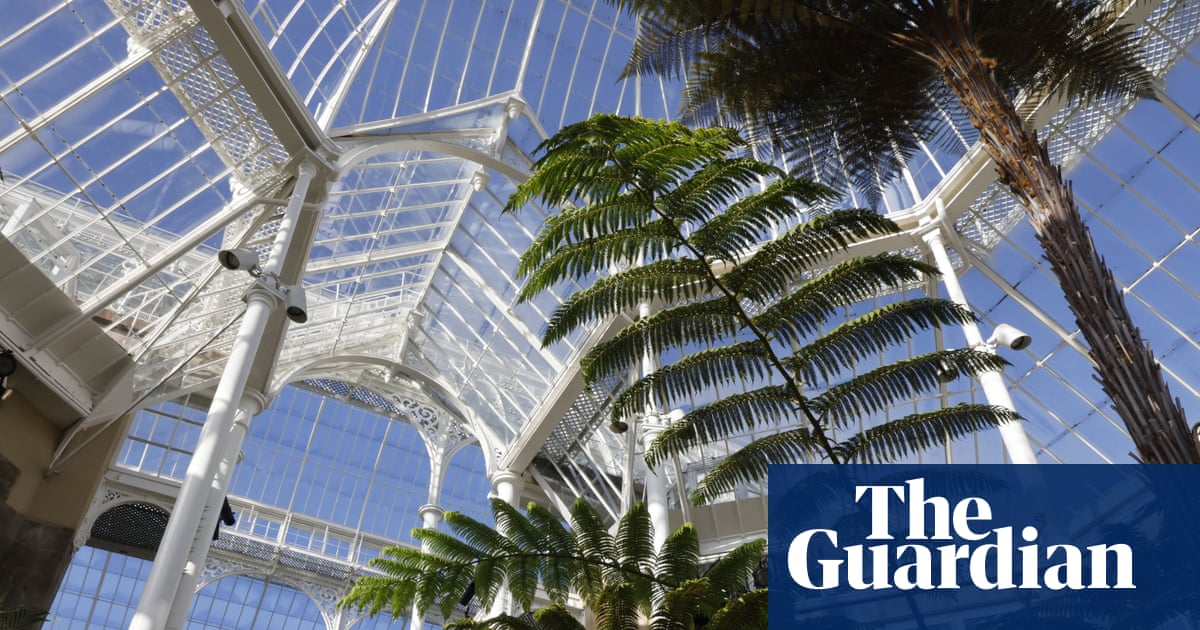
The renovation preserves the historic character of the site, which dates back to 1670 and stands as the second-oldest botanic garden in Britain. The £23.5 million refurbishment retained nearly all of the original sandstone and wrought iron framework, blending Georgian and Victorian architectural elements. Inside, the space now functions as a unified environment for temperate plants, utilizing the building's original pulley and winch systems to regulate temperature and humidity.
Safety was the primary driver for the overhaul. Prior to the closure, horticultural teams installed protective netting to catch falling debris when wind speeds exceeded 30 miles per hour. Staff were frequently barred from entering the greenhouses during stormy periods, leading to significant gaps in plant care. In some instances, broken glass caused fatal damage to specimens, with records noting losses attributed simply to 'storm' events involving either cold exposure or physical injury from falling shards.
The new glazing consists of 5,750 panels that are not bulletproof but are robust enough to resist impacts such as bird strikes. This upgrade aims to eliminate the traumatic loss of plants that had been cultivated over decades. The restored area now houses more than 600 temperate species, including a notable tree fern from Tasmania adorned with Scottish liverwort. The air quality within the structure is maintained naturally by the vegetation, which helps remove toxins.
Despite this significant progress, the broader facility continues to face infrastructure deficits. Many of the garden's other glasshouses are decades beyond their intended lifespan and remain in need of urgent upgrades. Leaks from heavy rainfall have been known to rot root systems, sometimes resulting in plant death. The frequency of weather-related closures remains high, with staff excluded from certain areas for 15 days in 2026 alone due to wind hazards.
The Royal Botanic Garden Edinburgh has evolved from its origins as a teaching site for physicians into a global authority on plant biodiversity. It holds critical conservation collections, including species that have gone extinct in the wild. The institution is particularly renowned for its rhododendron and fern collections, as well as rare gingers, bananas, blueberries, and begonias. Its scientific contributions include pioneering DNA barcoding technology used to identify plant species.
Conservation efforts are increasingly vital given the extreme threats facing plant life in natural habitats. The garden serves as an ex situ safe site, preserving genetic diversity that might otherwise be lost to environmental degradation. This role underscores the importance of maintaining secure facilities where rare specimens can thrive without the immediate risks posed by climate instability or habitat destruction.
The reopening marks a milestone for the institution, which has long been associated with notable figures such as Arthur Conan Doyle, who drew upon his botanical studies here for his literary works. Today, the focus remains on scientific research and preservation. While the palm houses are now secure, the ongoing need for repairs elsewhere highlights the continuous challenge of maintaining historic infrastructure in a changing climate.
Future plans will likely address the remaining vulnerable structures to ensure comprehensive protection for the entire collection. The success of the palm house restoration provides a model for these upcoming projects, demonstrating how historical integrity can be balanced with modern safety standards. As the garden continues its mission, the stability of its physical plant is as crucial as the biological diversity it safeguards.
The immediate impact of the reopening is improved access for visitors and enhanced security for the temperate plant collection. Staff can now perform routine care without the constant threat of structural failure during moderate weather conditions. This reduction in operational risk allows horticulturists to focus on cultivation and conservation rather than emergency response, marking a significant step forward for one of Britain's most important botanical institutions.
Sources behind this briefing
Go to the original reporting
- The Guardian World↗Falling glass and ‘decapitated’ plants: the race to protect Edinburgh botanic garden’s plants