The short version
- Ed Sheeran returned to the stage in Philadelphia following the removal of rapper Macklemore from his tour lineup due to political controversy.
- Sheeran delivered a speech describing the conflict as a humanitarian issue, though he faced criticism for allegedly prioritizing venue owner demands over artistic freedom.
- Several supporting acts withdrew in solidarity with Macklemore, while protesters outside the stadium attempted to convince attendees to seek refunds.
Ed Sheeran resumed his global concert tour on Saturday night at Lincoln Financial Field in Philadelphia, marking a significant moment of reckoning for the British pop star. The performance followed weeks of intense public scrutiny after rapper Macklemore was removed from the lineup. The decision to drop the opening act came after Macklemore made remarks supporting Palestine during a show in New Jersey, sparking a debate about free expression and corporate influence in the music industry.
Before launching into his set, Sheeran addressed the crowd with a lengthy speech that acknowledged the gravity of the situation. He described himself as chastened and admitted that he had previously avoided political commentary to maintain unity among his audience. However, he stated that the current humanitarian crisis made silence impossible. He characterized the October 2023 Hamas-led attack in Israel as horrific and expressed deep sorrow over civilian casualties in Gaza and the West Bank, calling the situation disproportionate and unjustified.
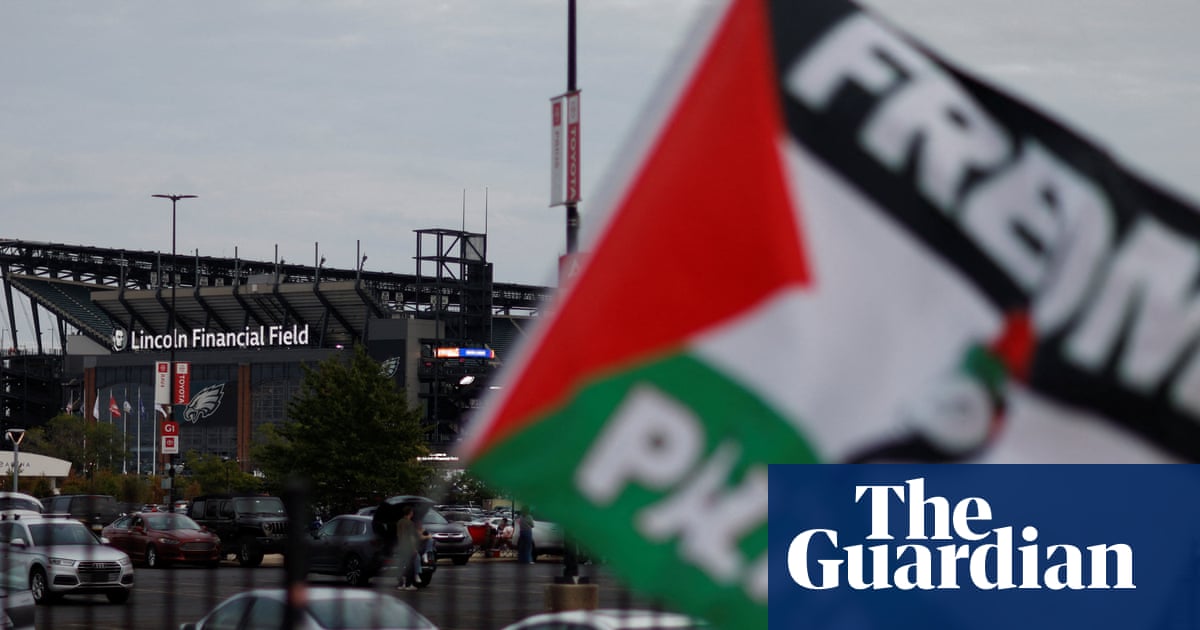
Despite his attempt to bridge divides through music, the response from fans was mixed. Some attendees praised his eloquence and courage, noting that they had expected a cancellation but were pleased he proceeded. Others felt alienated by how the controversy was managed. Outside the stadium, a group of approximately one hundred protesters gathered near the NRG metro station. Among them was Hillary Steinberg, a sociology doctoral student who described feeling betrayed by Sheeran’s handling of the situation. She argued that his actions had soured her perception of him as an artist.
Steinberg and other demonstrators wore keffiyehs and held signs criticizing Sheeran’s perceived lack of spine. They actively approached ticket holders, urging them to leave and request refunds. By the end of the evening, Steinberg reported that she and her partner had successfully convinced at least five individuals to abandon their seats. This grassroots effort highlighted the deep divisions within the fanbase regarding the intersection of entertainment and political activism.
In a statement released earlier in the week, Sheeran clarified that the removal of Macklemore was not his personal decision but rather that of the tour promoter. He cited pressure from venue owners, including Robert Kraft, the billionaire owner of Gillette Stadium and the New England Patriots. This explanation drew widespread condemnation from critics who accused Sheeran of yielding to corporate interests at the expense of artistic integrity. Detractors argued that he placed profit above freedom of expression, a charge that lingered over the Philadelphia performance.
The concert itself featured notable changes in personnel and staging. Several supporting musicians, including the Irish folk band Beoga and Danish group Lukas Graham, had withdrawn from the tour in solidarity with Macklemore. Finneas, brother of Billie Eilish, also opted out of a planned South American leg. For the Philadelphia show, Sheeran introduced a new backing group led by fiddler Alicia Enstrom. He praised these musicians for agreeing to perform despite the negative public perception surrounding him, framing their participation as an act of support.
Audience reactions to the new lineup were varied. Some fans, like Melody Fillier, applauded the courage of the replacement band members, contrasting them favorably with those who had departed. The absence of the retractable bridge and smaller B stage, which had previously allowed for more intimate interactions with the crowd, was another conspicuous alteration. These physical changes underscored the logistical adjustments made in response to the unfolding drama.
Throughout the night, Sheeran maintained a tone of self-deprecation and broad appeal, avoiding specific mentions of Kraft or Macklemore. He joked about carrying the event solo after hearing positive feedback about the opening acts. The atmosphere inside the stadium was largely light and triumphant, with fans singing along to hits like Castle on a Hill. Fireworks illuminated the sky as pastoral scenes played on screens behind him, creating a visual narrative of rural English nostalgia that seemed designed to distract from the political turmoil.
The Philadelphia concert serves as a case study in the modern music industry’s vulnerability to geopolitical tensions. While Sheeran sought to emphasize unity and humanity, the event revealed the difficulty of maintaining neutrality in an increasingly polarized world. The withdrawal of key collaborators and the presence of organized protests demonstrate that artistic endeavors are no longer insulated from broader societal conflicts. As the tour continues, it remains to be seen whether this incident will have lasting effects on Sheeran’s career or if fans will eventually move past the controversy.
Looking ahead, the implications of this event extend beyond a single concert. The debate over corporate influence versus artistic freedom is likely to persist as other artists navigate similar pressures. Venue owners and promoters now face heightened scrutiny regarding their role in shaping lineups. For Sheeran, the challenge will be balancing his desire for unity with the expectations of a diverse fanbase that holds conflicting views on global affairs. The Philadelphia show was a step forward, but the road ahead remains uncertain.
Sources behind this briefing
Go to the original reporting
- The Guardian US↗‘I feel betrayed’: inside Ed Sheeran’s controversial return to the stage

