The short version
- Ed Sheeran described the situation in Gaza as catastrophic and unjustifiable while attempting to frame his concerts as spaces for unity rather than political activism.
- Multiple supporting artists, including Finneas and Lukas Graham, withdrew from the tour following the removal of opener Macklemore, who made pro-Palestinian comments at a previous show.
- Disputes persist regarding who held ultimate authority over the lineup changes, with Sheeran blaming promoters while industry experts suggest top-tier artists typically retain final control.
Ed Sheeran opened his Saturday performance in Philadelphia with direct commentary on the ongoing conflict in Gaza, marking a significant shift after a tumultuous week of controversy surrounding his tour. The British singer-songwriter took the stage alone at Lincoln Financial Field, noting that he had not wanted to become an activist musician but felt compelled to address what he described as a complex global political issue. He characterized the October 7 attacks on Israel as horrific and labeled the current situation in Gaza as catastrophic and unjustifiable, attempting to navigate the delicate balance between artistic neutrality and moral responsibility.
The remarks came after a series of high-profile withdrawals by supporting acts who left the tour in solidarity with Macklemore, the original U.S. opener. Macklemore was removed from the lineup following his exclamation of 'Free Palestine' during a concert in New Jersey on September 5. The decision to drop him reportedly occurred at the urging of Robert Kraft, owner of the New England Patriots and the stadium where Sheeran was scheduled to perform. Within hours of Sheeran’s initial statement regarding the incident, several other musicians announced they would no longer participate in the tour.
Among those who stepped away were the Irish folk band Beoga, who had previously joined Sheeran for select songs, as well as Danish group Lukas Graham and Irish singer Aaron Rowe, who had been brought in to replace Macklemore. Finneas, known for his work with Billie Eilish, also withdrew from a planned collaboration on Sheeran’s South American leg later this year. These departures highlight the growing tension within the music industry regarding free speech, artistic solidarity, and the influence of venue owners over creative lineups.
Sheeran attempted to clarify his position by asserting that he was not responsible for the decision to remove Macklemore, placing the blame on tour promoters and venue management. He stated that he had spent the week speaking with venues in an effort to build bridges and avoid disappointing fans. However, industry observers note that artists of Sheeran’s stature typically retain significant control over tour logistics and personnel decisions. As one of the highest-earning concert acts of the millennium, his public stance on who holds authority in this matter remains a point of contention.
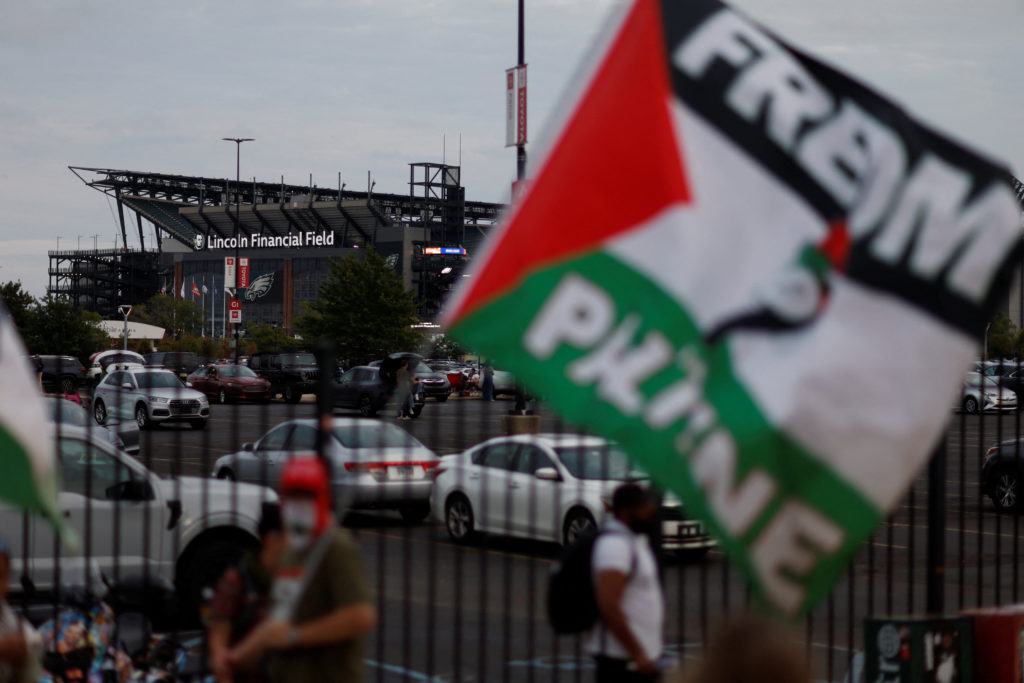
The controversy has drawn mixed reactions from fans and attendees. Outside the stadium, a small group of pro-Palestinian demonstrators gathered, expressing disappointment that Sheeran did not take a stronger stand. One attendee, who had purchased tickets a year prior, chose to attend the protest instead, arguing that all art is inherently political and that neutrality itself constitutes a political choice. Conversely, other fans defended Sheeran’s approach, emphasizing that concerts should remain spaces for enjoyment and unity rather than platforms for political debate.
In response to the backlash, Macklemore announced a donation of $1 million to support Palestinian relief efforts and called on Robert Kraft to match the contribution. A spokesperson for Kraft indicated that both he and Sheeran had agreed to donate $2 million each, though the specific destinations of these funds have not been disclosed. Sheeran’s representatives have not responded to requests for further comment regarding the financial contributions or the ongoing disputes over tour management.
During the Philadelphia show, Sheeran emphasized his desire for inclusivity, telling the crowd that fans with opposing viewpoints were welcome as long as they shared in the music’s themes of love and hope. He expressed concern about venues pre-approving performances, suggesting that such practices undermine freedom of expression in democratic societies. Despite the absence of his usual opening acts, Sheeran was later joined by other musicians for portions of the concert, signaling an effort to restore a sense of normalcy amid the surrounding turmoil.
The incident underscores broader challenges facing live entertainment as geopolitical conflicts intersect with cultural events. While Sheeran maintains that his goal is to foster unity rather than division, the rapid succession of artist withdrawals and public protests illustrates the difficulty of remaining neutral in highly polarized environments. The resolution of these disputes may depend on clearer communication between artists, promoters, and venue owners about the boundaries of artistic expression and corporate influence.
As the tour continues, attention remains focused on how Sheeran will manage future performances and whether additional acts will join or withdraw from the lineup. The financial implications of the controversy are also under scrutiny, given the significant investments involved in large-scale tours. Industry analysts suggest that this episode could set precedents for how artists navigate political pressures and stakeholder demands in an increasingly connected and opinionated global market.
Ultimately, the situation reflects a complex interplay between personal belief, professional obligation, and public expectation. Sheeran’s attempt to reconcile his role as a entertainer with the realities of international conflict has sparked widespread discussion about the responsibilities of public figures. Whether this moment marks a turning point in how musicians engage with political issues remains to be seen, but its impact on the tour and the broader cultural conversation is already evident.
Sources behind this briefing
Go to the original reporting
- PBS NewsHour↗Ed Sheeran says situation in Gaza is 'catastrophic and unjustifiable' as he opens concert

