The short version
- Rural voters expressed heightened financial distress due to inflation, leading to a significant drop in support for the Republican Party ahead of the election.
- Perceptions of economic decline worsened sharply among Republicans between February and October, with many believing the country was in recession despite technical indicators.
- While Democrats secured control of Congress, polling indicates substantial voter uncertainty regarding which party can effectively resolve ongoing affordability crises.
The recent midterm elections resulted in a decisive shift in congressional power, with Democrats securing control for the next two years. This outcome was heavily influenced by a sharp decline in support from rural voters, a demographic that had previously formed a reliable base for Donald Trump and the Republican Party. Polling conducted by the Harris Poll for The Guardian highlights that economic dissatisfaction, particularly regarding the cost of living, played a central role in this realignment. Voters across various regions reported feeling left behind by current economic conditions, prompting them to reject incumbents who had previously held their trust.
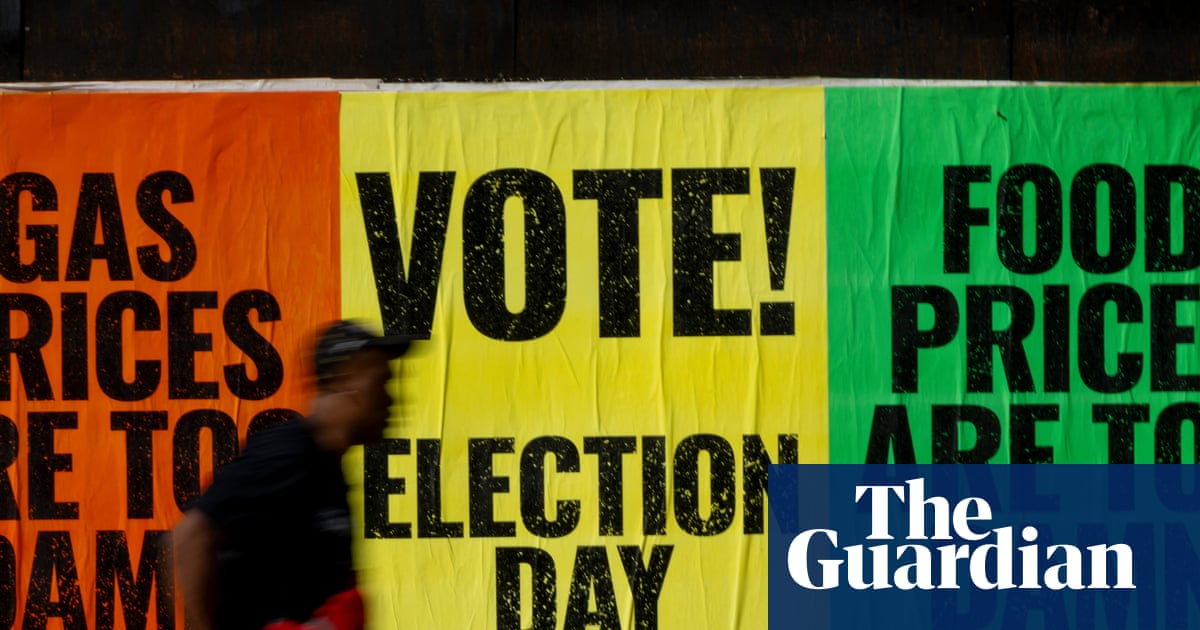
The sense of financial instability was widespread and intense. Over the summer, ninety-five percent of Americans indicated they believed an affordability crisis was underway, driven largely by steep increases in gas and grocery prices. By October, sixty-one percent of voters felt the country was experiencing a recession, even though official economic metrics did not classify it as such. This perception gap underscores how deeply personal financial struggles influenced political behavior. The pain was not evenly distributed; rural residents were significantly more likely to report that high fuel costs were damaging their finances and pushing them into what they described as survival mode.
Specific industries and regions bore the brunt of these economic pressures. Loggers in Maine cited tariffs against Canada as a factor hurting an already struggling sector. In Texas, drivers facing lengthy commutes reported spending up to four hundred dollars monthly on gasoline. Midwest farmers noted that rising diesel prices were compounding difficulties caused by drought conditions during the growing season. These localized impacts contributed to a broader narrative of economic hardship that resonated with voters who rely heavily on personal transportation and agricultural production. The cumulative effect of these costs eroded confidence in the administration’s economic management.
The shift in sentiment was notable even among Republicans, who had previously expressed optimism about economic trends. In February, just before the conflict in Iran began, forty-nine percent of Republicans believed the economy was improving. By October, that figure had plummeted to twenty-eight percent. This dramatic reversal suggests that the administration’s policies and external geopolitical events failed to maintain support within its own party base. Rural Americans were also slightly more likely than their urban and suburban counterparts to view corruption as a bigger problem for Republicans, indicating a dual frustration with both economic outcomes and perceived ethical lapses in leadership.
Despite the clear dissatisfaction among voters, there remains significant uncertainty about political solutions. A month before the election, thirty-four percent of respondents stated that neither party had a viable solution to the affordability crisis. Democrats held a slight edge over Republicans, with twenty-seven percent versus twenty-four percent believing their respective parties could address the issues. This hesitation reflects years of economic burnout and skepticism toward government intervention. Similar patterns were observed before the 2024 presidential election, where independent voters expressed pessimism about the economy under Democratic leadership, suggesting that affordability is a persistent challenge for both major parties.
President Trump attempted to counter these negative perceptions by promoting a narrative of economic strength during his campaign rallies. He claimed that gas prices were falling, wages were rising, and trade relations were robust. However, this portrayal clashed with the daily realities faced by many Americans. The disconnect between political messaging and lived experience appears to have been a critical factor in the election results. Republicans lost key toss-up races from Maine to Texas, illustrating how localized economic grievances translated into national political consequences.
In the aftermath of the election, Republican leaders are beginning to assess the impact of these economic factors. JD Vance attributed the losses partly to the costs associated with the war in Iran, suggesting that geopolitical decisions had direct electoral repercussions. Meanwhile, Democrats have pledged to focus on issues that dominated the campaign, including immigration enforcement, healthcare costs, and inflation. The incoming Congress faces the challenge of addressing these concerns while navigating a political landscape where voters remain skeptical about the effectiveness of proposed remedies.
The midterm results highlight the volatility of voter allegiance when economic conditions deteriorate. Rural voters, once considered a stronghold for Trump, demonstrated that their support is contingent on tangible improvements in their financial well-being. The data suggests that future elections will likely hinge on how effectively parties can manage inflation and reduce the cost of essential goods. As both parties look ahead, the need to deliver concrete economic relief will be paramount to rebuilding trust with constituents who feel increasingly marginalized by current policies.
Looking forward, the political landscape may continue to evolve as voters weigh their experiences against campaign promises. The erosion of support among rural Republicans indicates that traditional partisan alignments are becoming less predictable in times of economic stress. Democrats must now prove their ability to deliver on affordability pledges, while Republicans face the task of redefining their economic message. The coming years will test whether either party can stabilize prices and restore confidence in a way that resonates with voters across all demographics.
Ultimately, the election serves as a reminder that economic perceptions drive political outcomes more powerfully than abstract policy debates. Voters responded to immediate financial pressures rather than long-term strategic visions. This dynamic poses a significant challenge for policymakers who must balance short-term relief with sustainable economic growth. The lessons from this midterm cycle will likely influence campaign strategies and legislative priorities well into the next election cycle.
Sources behind this briefing
Go to the original reporting
- The Guardian World↗Rural voters were feeling left behind before the midterms, poll shows


