The short version
- The European Central Bank increased interest rates to 2.5%, citing rising inflation pressures driven by energy costs linked to Middle East instability.
- Oil prices exceeded $105 per barrel and gas reserves in the EU remain below historical averages, raising concerns about winter supply shortages.
- Government bond yields across Europe and the UK hit multi-year highs as investors react to volatile energy markets and uncertain economic forecasts.
The European Central Bank has raised its key interest rate to 2.5%, a move designed to counteract growing inflationary pressures within the eurozone economy. This decision comes against a backdrop of escalating geopolitical tension in the Middle East, specifically renewed military engagements between the United States and Iran involving naval assets in the Strait of Hormuz. The central bank’s leadership warned that these conflicts are directly fueling price increases, particularly in energy sectors, which threatens to derail previous progress toward stabilizing consumer prices.
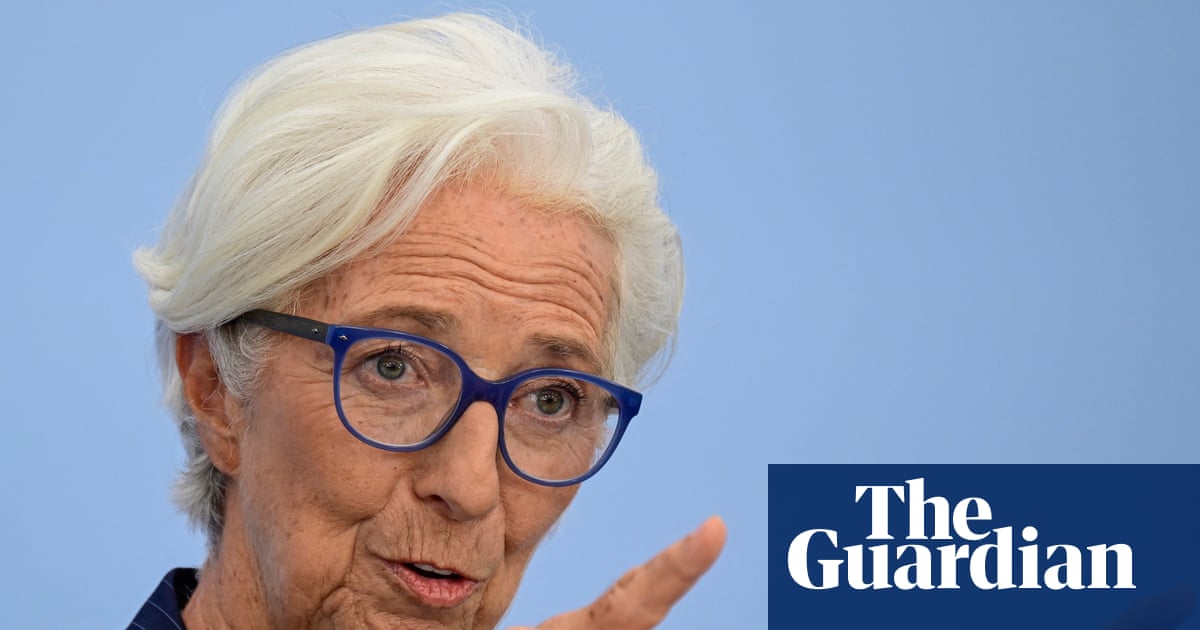
Christine Lagarde, president of the ECB, indicated that while headline inflation is projected to return to target levels by late 2027, the immediate outlook remains precarious. The bank emphasized the need for close monitoring of how persistent energy price hikes might influence wage negotiations and broader economic dynamics. Although the rate hike was anticipated by market participants, the tone of the accompanying report struck a more cautious note than many had expected, highlighting vulnerabilities in various sectors of the economy.
Energy markets have reacted sharply to the geopolitical developments. Brent crude oil prices climbed above $105 per barrel, marking a significant jump from previous days. This surge in oil costs has rippled through other energy commodities, with natural gas prices also seeing substantial increases. In the United Kingdom, gas prices rose to over 205 pence per therm, reaching levels not seen since December 2022. Similarly, continental European gas benchmarks, such as the Dutch TTF price, surpassed €80 per megawatt hour for the first time in nearly three years.
The spike in energy costs has triggered a broader reaction in financial markets, particularly in government debt. Borrowing costs for sovereign nations have surged as investors reassess risk profiles amid inflationary fears. In the United Kingdom, yields on 10-year gilts reached 5.295%, their highest level since August 2007. Germany’s 30-year bond yield climbed to 5.08%, a peak not observed since December 2003, while its 10-year yield hit 3.45%. France also saw its 10-year bond yield rise to 4.344%, the highest point since October 2008.
Analysts point out that core inflation, which excludes volatile items like food and energy, has remained relatively stable so far. However, the primary driver of current price pressures is clearly the energy sector. David Rees, head of global economics at Schroders, noted that while the rate increase was expected, the future trajectory is uncertain. He warned that sustained high energy prices will likely keep headline inflation elevated, potentially slowing economic growth as higher borrowing costs take effect.
A significant concern for policymakers and investors alike is the state of gas storage facilities across Europe. Current data indicates that EU gas reserves are filled to only 67% of capacity, well below the five-year average of 84%. This shortfall raises alarms as the northern hemisphere approaches winter. Many buyers had delayed filling their stocks in hopes that the Middle East conflict would resolve quickly and prices would drop. With the situation dragging on, there is a growing risk of a scramble for supplies before cold weather sets in.
The United States has also attempted to intervene in its own bond market, with Treasury Secretary Scott Bessent announcing a $6 billion buyback program aimed at stabilizing yields. However, market participants viewed this measure as insufficient to curb the sell-off. Consequently, yields on 10-year US treasuries rose to a three-year high. This global tightening of financial conditions underscores the interconnected nature of modern markets, where geopolitical shocks in one region can rapidly translate into economic strain across continents.
Looking ahead, the ECB has adjusted its growth forecast for 2026 upward slightly to 0.9%, up from 0.8% in June, but expects inflation to average 3% for the current year. The central bank’s stance suggests a willingness to maintain restrictive monetary policy if necessary to anchor inflation expectations. For households and businesses, the immediate implication is higher costs for borrowing and energy, which could dampen consumer spending and investment in the coming months.
The situation remains fluid as diplomatic efforts to de-escalate tensions in the Strait of Hormuz continue. Until a resolution is reached, energy prices are likely to remain volatile, keeping pressure on central banks to balance inflation control with economic stability. Investors are closely watching for any signs that the conflict might expand or that supply disruptions could worsen, both of which would further complicate the macroeconomic landscape for Europe and beyond.
Sources behind this briefing
Go to the original reporting
- The Guardian Business↗ECB raises interest rates to 2.5% and warns Iran war is fuelling inflation