The short version
- More than 43 million Americans have cast early ballots, a rise of nearly 10 million over the same period four years ago.
- Texas leads the surge with a 50% increase in early voting, while South Carolina sees an 83% jump ahead of a special Senate contest.
- Partisan breakdowns show higher Democratic participation so far, though these figures do not predict candidate support or cover all states.
Voter engagement is accelerating rapidly as the United States approaches Election Day, with early voting numbers significantly outpacing those recorded during the previous midterm cycle. An analysis of voting data conducted five days before the election reveals a substantial shift in how Americans are participating in the democratic process. This surge in advance participation offers critical insights into the momentum heading into a contest that will determine control of Congress and other pivotal races.
Nationwide, more than 43 million individuals have already cast their ballots either in person or by mail. This total represents an increase of nearly 10 million compared to the same timeframe four years ago. The data encompasses 47 states and Washington, D.C., providing a broad snapshot of voter behavior across most of the country. While the previous cycle included data from 48 states and the capital, the current figures still demonstrate a robust expansion in early voting activity.
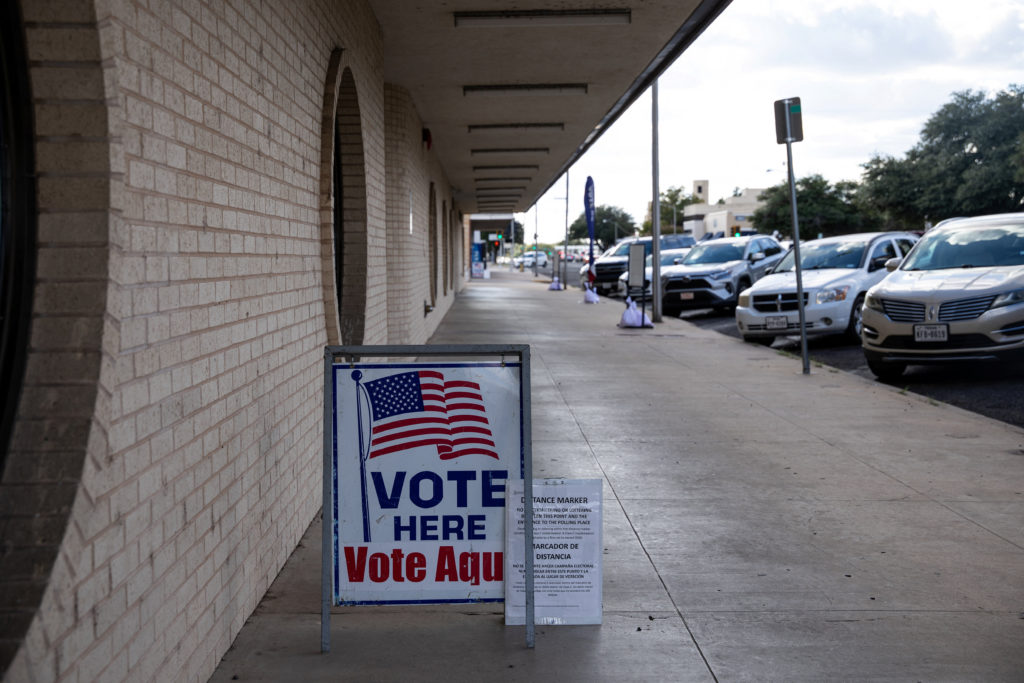
The increase is particularly pronounced in states hosting competitive Senate races, where every vote carries heightened significance. Texas has emerged as a focal point for this trend, with more than 6.3 million residents voting early as of Wednesday. This figure marks a 50% increase from the 4.2 million Texans who had voted by the same point four years ago. The state is deciding closely watched contests for Senate, House, and governor positions, driving intense voter mobilization efforts.
Other battleground states are also experiencing notable jumps in participation. Maine, Michigan, North Carolina, and Kansas have all seen early voting increase by more than 30% compared to the previous midterm election. These states are central to the competition for Senate seats, making their turnout rates a key indicator of potential outcomes. The consistency of this growth across multiple regions suggests a widespread shift in voter habits rather than an isolated phenomenon.
South Carolina presents one of the most dramatic increases, with early voting up 83% from four years ago. This surge coincides with voters selecting a successor to the late Republican Senator Lindsey Graham. The special nature of this contest appears to have driven exceptional engagement, highlighting how specific electoral circumstances can amplify participation rates beyond national trends.
In states that disclose party affiliation for early voters, Democrats currently lead in raw numbers. Approximately 6.8 million Democrats have cast ballots early, compared to 5.2 million Republicans. However, these figures do not account for all early voters nationwide, as many states do not release partisan data. Furthermore, the numbers indicate only who has voted, not which candidates received their support, limiting their predictive value for specific race outcomes.
The election takes place two years into President Donald Trump's second term, with Republicans currently holding majorities in both the House and the Senate. The stakes are high, as voters will decide whether to maintain or shift congressional control. The significant increase in early voting suggests that citizens are highly engaged with these implications, potentially reflecting a desire to influence the legislative direction of the country.
As Election Day approaches, the data underscores the importance of advance voting in modern American elections. The surge in participation across key battlegrounds indicates that campaigns and voters alike are prioritizing early action. While the final results remain uncertain, the current trends provide a clear picture of heightened electoral activity and the critical role these states will play in shaping the political landscape.
The Associated Press analysis highlights the evolving nature of voter behavior, with millions more Americans choosing to cast ballots ahead of time. This shift has implications for campaign strategies, election administration, and post-election reporting. As the final days unfold, continued monitoring of voting patterns will be essential to understanding the full scope of this midterm cycle.
Ultimately, the surge in early voting reflects a dynamic electoral environment where engagement is at an all-time high. The data from Texas, South Carolina, and other competitive states illustrates the intensity of the current political moment. As voters head to the polls or mail their ballots, the outcomes will depend on how this increased participation translates into final results across the nation.
Sources behind this briefing
Go to the original reporting
- PBS NewsHour↗Millions more Americans vote ahead of Election Day as early voting jumps across Senate battlegrounds


