The short version
- Dyson has released a £420 toothbrush featuring a macro lens camera and automated mouthwash jets designed to target hard-to-reach areas between teeth.
- The company claims the device removes significantly more plaque than standard electric brushes by combining machine learning with precision fluid dynamics.
- Dental professionals caution that expensive technology does not replace consistent brushing habits or professional advice for maintaining oral health.
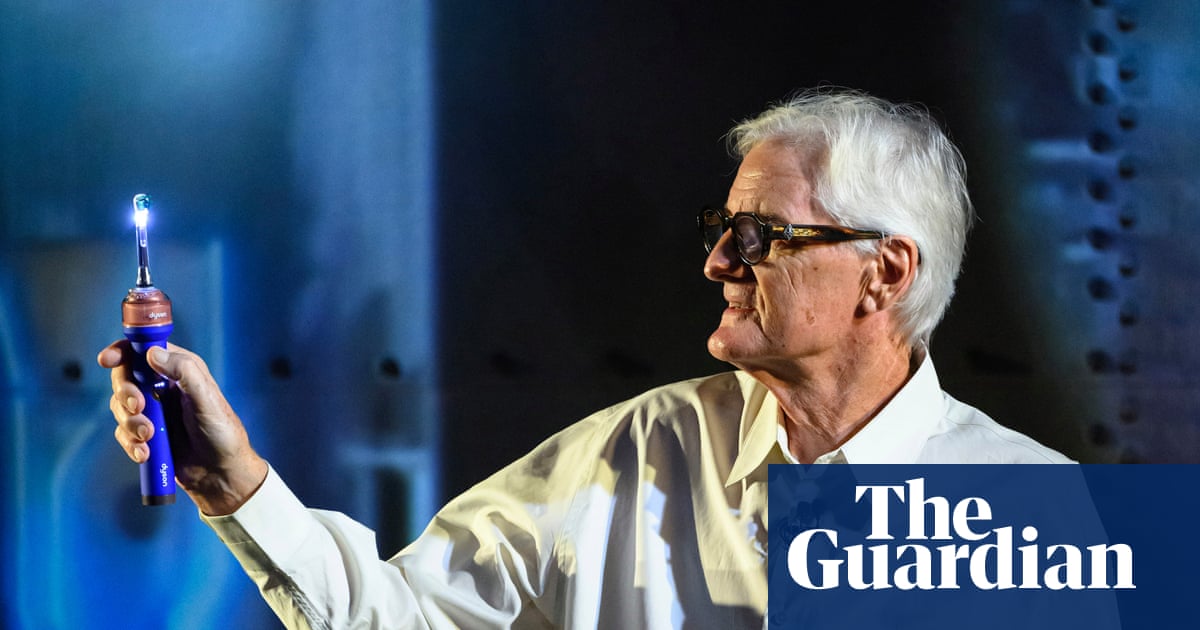
James Dyson, the founder of the eponymous home appliance company, unveiled a new entry into the personal care market during an event in Paris on Tuesday. The product is a high-tech toothbrush priced at £420 that integrates a camera capable of streaming live video from inside the user’s mouth to a smartphone application. This launch marks a significant pivot for a brand historically defined by bagless vacuums and bladeless fans, applying its engineering focus to daily oral hygiene routines.
The development process reportedly spanned six years and involved a team of 661 engineers. The device is described as a complete dental system that goes beyond simple brushing. It includes a 100k pixel macro lens camera that functions similarly to an endoscope, allowing users to view their teeth in real-time. The goal is to provide visibility into areas typically hidden from the user, offering a perspective similar to what a dentist sees during an examination.
Central to the device’s functionality is the use of machine learning and fluid dynamics. When the camera detects gaps between teeth where plaque tends to accumulate, the brush automatically releases a burst of mouth rinse from a tank located in the handle. This feature aims to address the common difficulty many people face with flossing, which Dyson characterized as an awkward and time-consuming task that is often neglected despite its known health benefits.
The company claims that this combination of visual feedback and automated cleaning results in the removal of up to 72% more plaque compared to leading electric toothbrushes on the market. The brush head is designed to clean along the gum line while simultaneously lifting surface stains. To support this system, Dyson has introduced proprietary non-foaming toothpaste and mouth rinse, each priced at £8.50. These products are formulated specifically to avoid obscuring the camera lens during use.
The research behind the device included the creation of a proxy plaque model to accurately test cleaning efficacy over more than a decade of study into oral care regimes. Dyson emphasized that the technology is intended to offer an entirely new approach to maintaining mouth health by addressing the specific areas where users consistently miss plaque buildup. The integration of Wi-Fi connectivity allows for ongoing feedback on cleaning habits through the MyDyson app.
This launch places Dyson in a competitive segment of the personal care market, which already features numerous advanced toothbrushes with smart capabilities and companion applications. Competitors offer devices that promise various benefits, including stain removal and tongue cleaning, with some premium models commanding prices as high as £600. Dyson’s entry adds another option for consumers willing to invest heavily in digital health monitoring tools.
Despite the technological sophistication of the new device, dental experts have urged caution regarding its necessity. The British Dental Association stated that patients do not need expensive gadgets to maintain good oral health. Eddie Crouch, the chair of the BDA, noted that high-priced brands are no substitute for a proper routine and advised against assuming that new technology can solve all oral health problems.
The core recommendation from dental professionals remains consistent: brush twice a day following specific advice from a dentist. While the Dyson toothbrush offers novel features such as live video feedback and automated rinsing, its value proposition relies on the assumption that users will engage with the technology regularly. The market will likely determine whether consumers find the added visibility and automation worth the significant premium over traditional electric brushes.
The company’s corporate base is located in Singapore, a move made in 2019 despite the founder’s public support for Brexit. This international positioning underscores the global nature of Dyson’s engineering efforts and market strategy. As the device becomes available, it will be interesting to observe whether the integration of cameras into daily hygiene routines gains traction or remains a niche interest for tech enthusiasts.
The launch highlights a broader trend in consumer electronics where everyday items are increasingly equipped with sensors and connectivity features. Whether this translates to measurable improvements in public oral health outcomes remains to be seen, particularly given the established advice that consistency is more critical than equipment cost. The device represents a bold attempt to redefine a mundane daily task through advanced engineering.
Sources behind this briefing
Go to the original reporting
- The Guardian World↗Dyson launches £420 toothbrush that films ‘live cleaning footage’ inside your mouth

