The short version
- Dustin Hoffman reveals he was slapped twenty-seven times for a scene that was ultimately cut from the final film.
- The actor describes feeling physically exhausted and dehydrated during filming, at one point fearing loss of consciousness.
- Hoffman suggests director Mike Nichols may have projected personal insecurities onto him due to their shared Jewish heritage.
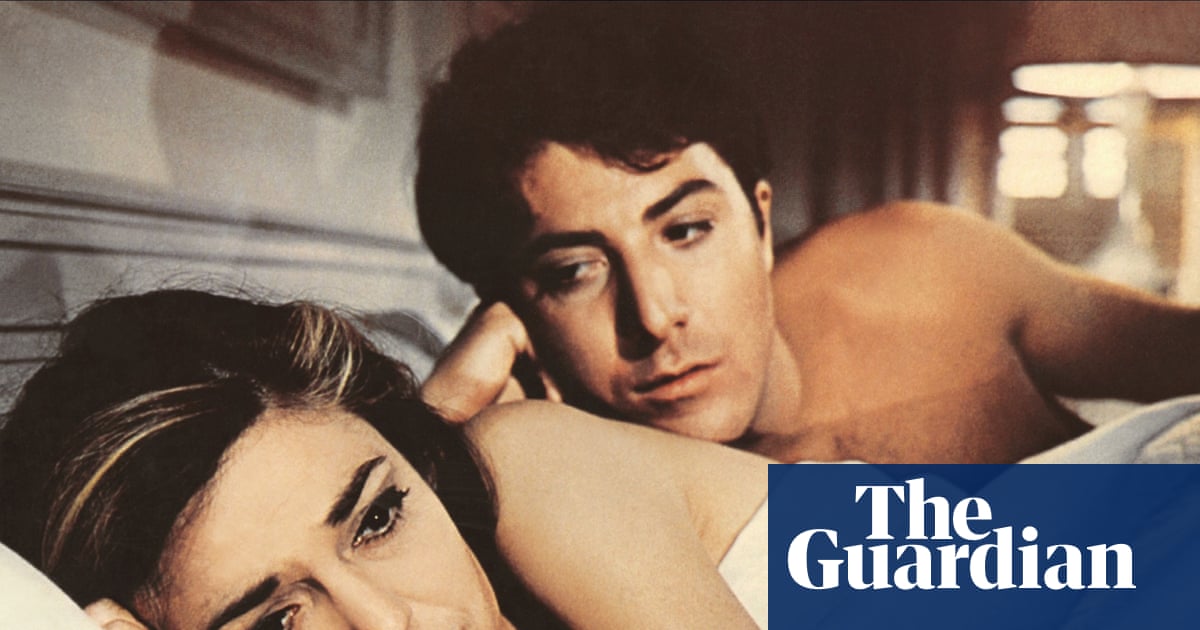
Dustin Hoffman has publicly characterized the production of his breakthrough film, The Graduate, as a deeply distressing period marked by physical discomfort and psychological pressure. In excerpts from his forthcoming memoir, Look at Me, the eighty-nine-year-old actor details specific incidents of mistreatment he endured while working with director Mike Nichols nearly six decades ago. These revelations offer a stark contrast to the film’s enduring status as a cinematic classic and provide new insight into the volatile creative process behind its making.
Hoffman describes feeling an immediate sense of inadequacy upon joining the cast, particularly regarding his casting as Ben Braddock, a character he viewed as representing white Anglo-Saxon Protestant norms. He noted that he felt unworthy of the role and initially resisted auditioning for it. During preparation, he observed makeup artists altering his appearance, including removing his monobrow, which he interpreted as an attempt to erase his Jewish identity. This experience reinforced his feelings of displacement and insecurity on set.
The dynamic between Hoffman and Nichols deteriorated significantly once filming began. Hoffman recalls that the director became increasingly irritable and difficult to read, displaying a moodiness that affected the entire crew. He specifically attributes a sense of sadism to Nichols’ treatment of him during certain scenes. One notable incident involved a sequence where his character returns home soaked from rain to confess an affair with an older woman. Hoffman states that Nichols instructed co-star Katharine Ross to strike him repeatedly, resulting in twenty-seven takes.
Hoffman recounts that Ross expressed concern about causing him injury, but he encouraged her to continue, asking only that she avoid hitting his ears. Despite this caution, he reports being struck multiple times and feeling dizzy by the end of the day. Crucially, he notes that none of these slaps were included in the final cut of the movie. This incident highlights the disconnect between the director’s demands during production and the actual content presented to audiences.
Physical strain continued beyond the slap scene. Hoffman describes puncturing an eardrum while filming an underwater sequence in a swimming pool, attributing the injury to a combination of water pressure and the cumulative effect of previous physical trauma. He also mentions that co-star Anne Bancroft fainted on set due to heat exhaustion and required oxygen resuscitation. Hoffman himself faced extreme fatigue during a scene involving running from a car to a church, where he repeated the action until he feared passing out from dehydration and exhaustion.
Despite the personal toll, The Graduate became a critical success, earning seven Academy Award nominations and winning Best Director for Nichols. Hoffman reflects on this irony, noting that the film changed his life professionally while remaining a negative memory personally. He suggests that Nichols’ harsh treatment may have stemmed from deeper psychological factors rather than mere professional rigor. Hoffman posits that Nichols, who also emigrated to the United States as a Jewish child, may have used Hoffman as a surrogate for his own unresolved feelings of self-loathing and alienation.
The actor’s perspective adds complexity to the historical narrative surrounding The Graduate, which is often celebrated for its cultural impact and innovative storytelling. By revealing the physical and emotional costs borne by the cast, Hoffman challenges the romanticized view of classic Hollywood productions. His account underscores the human element behind artistic achievements, reminding audiences that creative excellence can sometimes coexist with significant personal suffering.
Look at Me, co-written with New Yorker staff writer Ariel Levy, is scheduled for publication in November. The memoir promises further insights into Hoffman’s long career and the industry dynamics he navigated over several decades. As these details emerge, they invite reconsideration of how directors like Nichols shaped their work and treated their collaborators. The revelations also contribute to ongoing conversations about accountability and respect within the entertainment industry.
While no formal investigations or legal actions are mentioned in connection with these events, Hoffman’s public sharing of his experiences serves as a testament to the lasting impact of workplace conditions on artists. His willingness to discuss these painful memories decades later suggests a desire for transparency and understanding. The film remains a landmark in cinema history, but Hoffman’s story ensures that the human cost of its creation is not forgotten.
As audiences revisit The Graduate, they may now view it through a lens informed by Hoffman’s firsthand account. This dual perspective enriches appreciation for the film while acknowledging the difficult realities faced by those who brought it to life. Hoffman’s reflections serve as both a personal reckoning and a broader commentary on the price of artistic ambition in Hollywood.
Sources behind this briefing
Go to the original reporting
- The Guardian US↗Dustin Hoffman says filming The Graduate was ‘a terrible experience’ due to Mike Nichols’ ‘sadism’


