The short version
- Orange Order members were turned back by police from marching down Garvaghy Road, avoiding violence but highlighting persistent community tensions.
- Sinn Féin leadership presence at the protest signals growing nationalist confidence regarding a potential border poll for Irish unity.
- Unionist leaders condemn the political response as undemocratic, raising fears of executive collapse and further instability in Stormont.
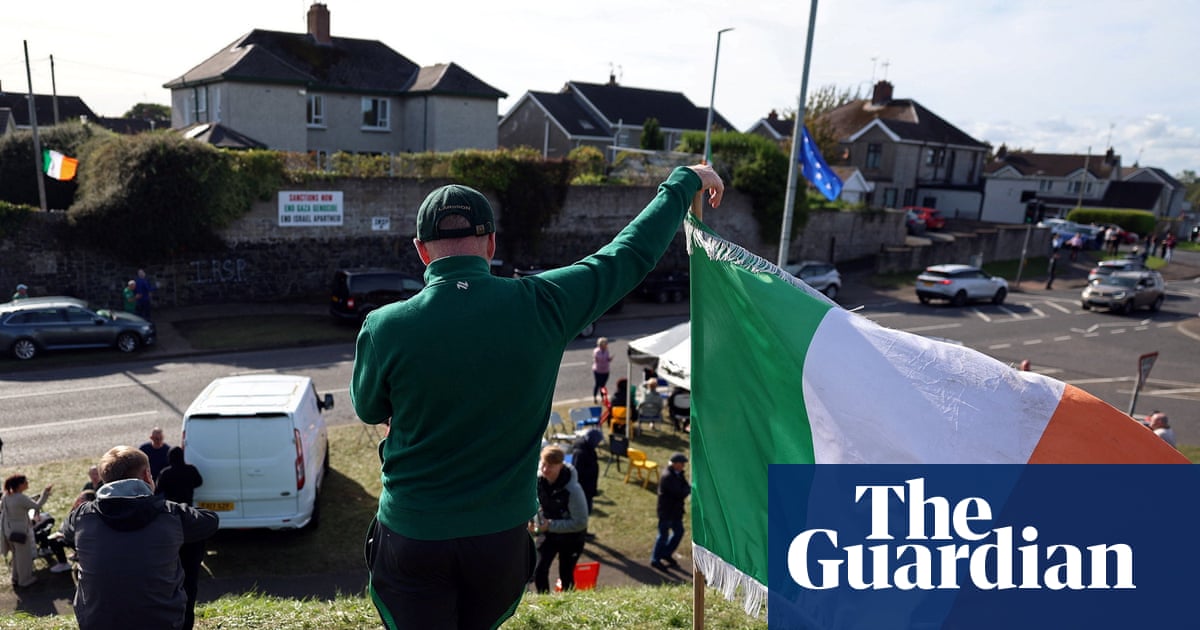
A significant confrontation unfolded in Portadown, County Armagh, this weekend as members of the Protestant Orange Order attempted to march down Garvaghy Road, a thoroughfare in a predominantly nationalist area. The incident, which occurred on Sunday and Monday, did not devolve into physical violence, marking a stark contrast to the deadly clashes that defined previous decades at this location. Police lines held firm, ordering the marchers back repeatedly throughout the day. Despite the absence of bloodshed, the event serves as a potent indicator of the deepening political and social fissures within Northern Ireland.
The Orange Order’s decision to halt the march came after district master Nigel Dawson assessed the situation on the ground. Faced with thousands of nationalist protesters blocking the route and a firm police presence, Dawson instructed his members to return to a nearby church hall for shelter from the rain. He noted that there was no benefit to getting wet unnecessarily when the path forward was blocked. The process remained peaceful and respectful, with marchers approaching police lines every half-hour only to be turned back by Superintendent Brendan Green. This restraint suggests a shift in tactics or priorities compared to the volatile history of the Drumcree dispute.
The significance of this standoff extends beyond the immediate physical confrontation. It reflects a broader trend of rising division and cynical political posturing that has emerged in recent years. The 1998 Good Friday Agreement, which ended three decades of conflict known as the Troubles, had papered over many of these divisions through mutual exhaustion with violence. However, those underlying tensions are now resurfacing with renewed intensity. The current dispute highlights how historical grievances continue to shape contemporary political dynamics, even as the region attempts to move forward.
On the nationalist side, the large turnout for the protest demonstrated a growing sense of unity and confidence. Many attendees were bussed in from Belfast and Derry, surprising police estimates regarding crowd size. The presence of high-profile figures, including First Minister Michelle O’Neill of Sinn Féin and Mary Lou McDonald, leader of Sinn Féin in the Republic of Ireland, underscored the political weight of the event. Their appearance was met with chants calling for the dismantling of Stormont, the power-sharing assembly in Northern Ireland. This display of solidarity suggests a shifting demographic and political landscape, fueled by discussions around a potential border poll for a united Ireland.
Unionist leaders have reacted strongly to the events, viewing them as an attack on democratic principles and lawful rights. Gavin Robinson, leader of the Democratic Unionist Party (DUP), criticized the presence of the First Minister at the protest site, claiming that standards had been shattered. He questioned how progress could be made when there is such disdain for fundamental democratic processes. The DUP argues that the Orange Order was simply exercising its legal right to march, as permitted by the independent Parades Commission. For unionists, who feel increasingly marginalized due to Brexit and changing demographics, this incident reinforces a sense of vulnerability and lack of confidence in the future.
The political ramifications of the Drumcree standoff are likely to intensify as Northern Ireland approaches assembly elections next year. Both sides appear to be rallying their bases, with rhetoric becoming more polarized. In Stormont, Speaker Edwin Poots condemned O’Neill for failing to answer an urgent question about the crisis, describing her actions as gross discourtesy and contempt. This breakdown in communication between unionist and nationalist leaders raises concerns about the stability of the power-sharing executive. There is a real risk that either Sinn Féin or the DUP could withdraw from the government, leading to further political paralysis.
The broader context includes ongoing struggles with public services and budgetary agreements with Westminster. The failure to reach consensus on funding for collapsing public services adds another layer of instability to the region. If the current political fracturing continues, it could lead to a new level of uncertainty that undermines the peace process. While the immediate violence was avoided, the echoes of history are loud, reminding observers that the divisions in Northern Ireland remain fragile and deeply entrenched.
Looking ahead, the Drumcree incident serves as a cautionary tale about the resilience of sectarian identities in post-conflict societies. The peaceful resolution of this specific standoff does not diminish its importance; rather, it highlights the complex interplay between law enforcement, community activism, and political strategy. As Northern Ireland navigates these challenges, the ability of leaders to manage tensions without resorting to provocative gestures will be crucial. The coming months will test whether the institutions established after the Troubles can withstand the pressures of a changing political landscape.
Sources behind this briefing
Go to the original reporting
- The Guardian World↗Absence of violence in Drumcree does not make standoff any less significant