The short version
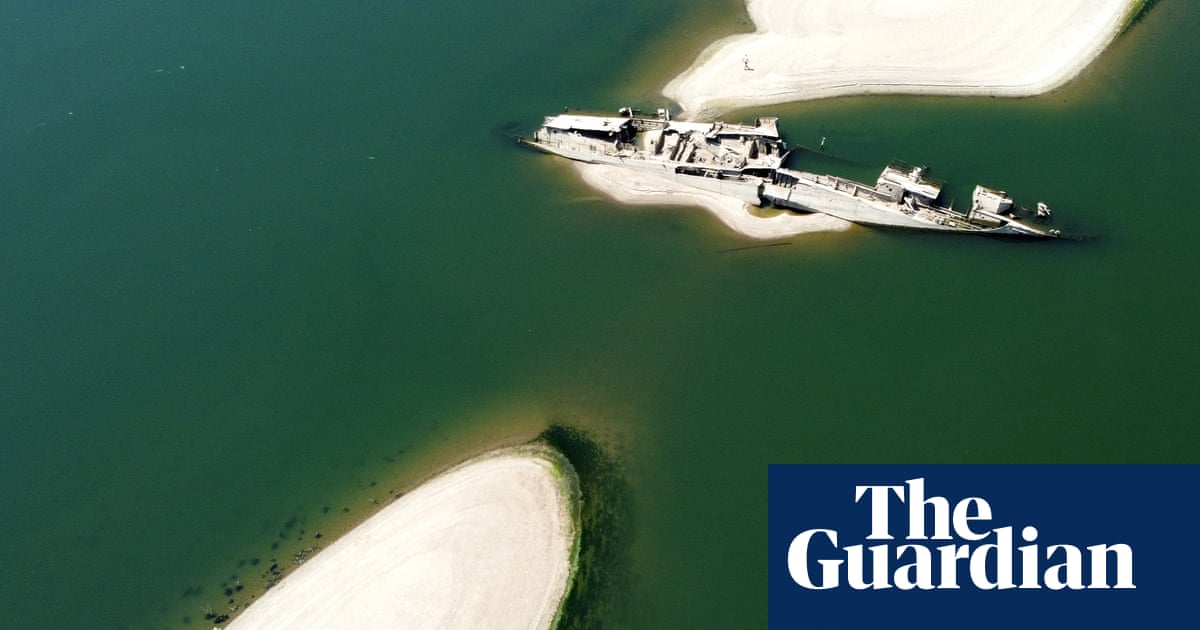
- Extreme drought conditions have lowered Danube water levels to historic lows, exposing dozens of scuttled German warships from World War II along the Serbian and Romanian border.
- Authorities in Slovakia detonated a heavy unexploded British bomb recovered from the riverbed, while other remnants like military vehicles were found in Hungary.
- The low water levels are disrupting navigation and threatening energy production as power plants struggle with reduced cooling capacity amid record-breaking temperatures.
Record-breaking heat and severe drought conditions across central and eastern Europe have caused water levels in the Danube River to drop to historic lows. This environmental shift has exposed remnants of World War II that had been submerged for decades, including dozens of German warships along the border between Serbia and Romania. The emergence of these vessels highlights the intersection of climate extremes and historical preservation challenges in one of Europe’s most vital waterways.
The exposed ships are part of Adolf Hitler’s Black Sea fleet, which the German military deliberately sank in September 1944 to hinder Soviet advances near the end of the war. Historians estimate that up to 200 vessels were scuttled in this manner before Germany surrendered in May 1945. While some wrecks have appeared during previous droughts, they typically disappear again as water levels rise. However, many remain in place because they are still laden with explosives, making removal hazardous and complex.
In addition to the large warships, other military artifacts have surfaced along the river’s course through ten countries. In Budapest, Hungary, a German military motorcycle was discovered on the exposed riverbed. These findings serve as stark reminders of the conflict’s lingering physical presence in the region. The visibility of such items underscores how changing environmental conditions can unexpectedly reveal historical debris that has been hidden for generations.
Safety concerns have escalated with the recovery of unexploded ordnance. In Slovakia, police retrieved a British bomb weighing approximately 700 kilograms (1,543 pounds) from the river. Authorities transported the device using a specially modified firefighter vehicle equipped with a sand bed to ensure stability during transit. The bomb was then moved to a five-meter-deep pit for controlled detonation. This incident illustrates the ongoing risks associated with wartime remnants that remain active despite the passage of time.
The British Royal Air Force mined the Danube in 1944 to disrupt enemy troop movements, leaving behind a legacy of underwater hazards. The current drought has made these dangers more accessible and visible, prompting increased vigilance from local authorities. While some efforts have been made by the Serbian government to remove wrecks in the past, the presence of explosives has largely prevented comprehensive clearance operations. The situation remains precarious as water levels fluctuate with seasonal weather patterns.
Beyond historical artifacts, the low water levels are causing significant practical disruptions. Navigation along the Danube has become increasingly difficult and dangerous due to the reduced depth. Commercial traffic and local transport face delays and risks associated with shallow channels. These navigational challenges compound existing economic pressures in regions that rely heavily on river trade for goods movement and regional connectivity.
The drought is also contributing to an energy crisis in parts of Europe. Many power plants depend on natural water supplies from rivers like the Danube for cooling systems. With water levels significantly lower than typical for this time of year, these facilities face operational constraints that could lead to reduced energy output or temporary shutdowns. This strain on infrastructure highlights the broader vulnerability of modern systems to extreme weather events.
Temperature records have been broken in several countries across the region, including Slovakia, Austria, and Hungary. In Slovakia, the hydrometeorological agency reported a new national high of 42 degrees Celsius (108 degrees Fahrenheit) in the village of Dolné Plachtince. These extreme temperatures are supercharging drought conditions and increasing the risk of wildfires. Scientists attribute this intensification to the escalating human-caused climate crisis, which is driving more frequent and severe weather anomalies.
As the summer continues, the situation along the Danube remains fluid. Water levels may rise if rainfall returns, potentially submerging the exposed wrecks once again. However, the immediate concerns regarding navigation safety, energy production, and public security persist. Authorities are monitoring conditions closely to manage risks associated with both the historical remnants and the ongoing environmental stressors affecting the river basin.
The exposure of these World War II relics serves as a tangible indicator of broader climatic shifts impacting Europe. The combination of record heat, prolonged drought, and rising sea levels in other regions underscores the multifaceted challenges posed by climate change. As communities adapt to these new realities, the Danube’s changing landscape offers a visible symbol of how environmental changes can reshape historical memory and present-day infrastructure simultaneously.
Sources behind this briefing
Go to the original reporting
- The Guardian World↗Nazi shipwrecks emerge from the depths as Europe’s Danube dries ups

