The short version
- At least eighty people died after drones struck a market area in al-Dibab, with witnesses reporting two separate impacts on commuters.
- The Rapid Support Forces blamed the Sudanese Armed Forces for the attack, continuing a pattern of mutual accusations regarding civilian casualties.
- United Nations officials warn that external support is fueling the conflict, with no diplomatic breakthroughs visible despite deteriorating conditions.
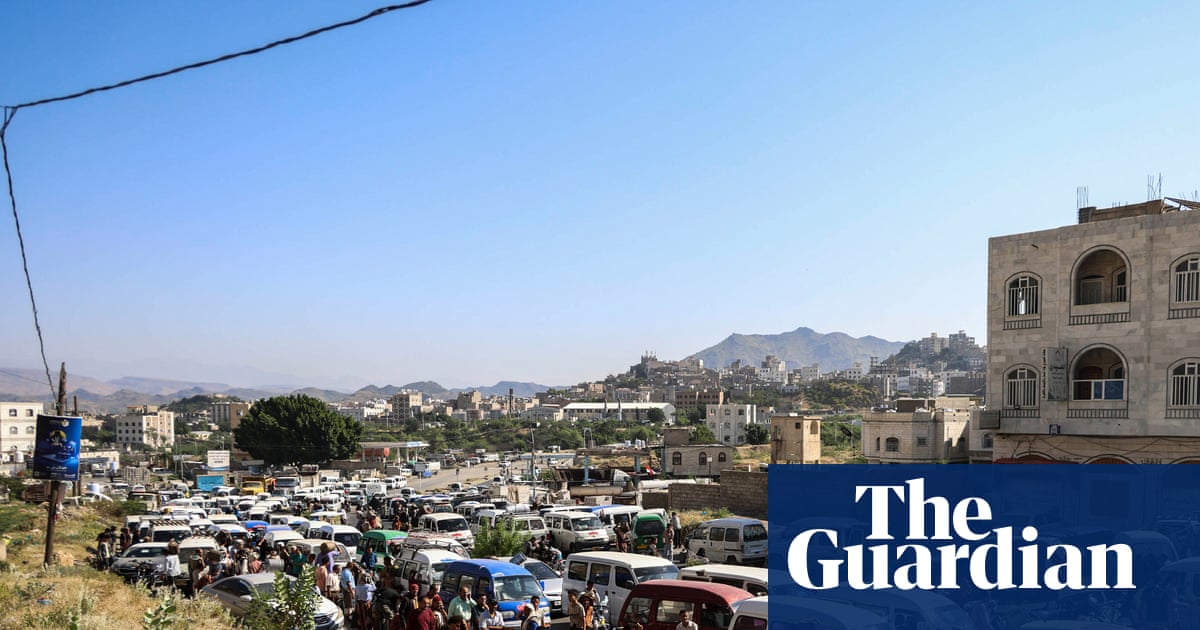
A devastating drone strike near a market in southern Sudan resulted in the deaths of approximately eighty people on Sunday evening. The attack occurred in al-Dibab, a town within West Kordofan state, targeting a transport hub where residents typically gather to return to their villages after market days conclude. Witnesses described two separate strikes occurring ten minutes apart, causing significant loss of life among commuters attempting to travel home.
Local accounts provide grim details regarding the immediate aftermath. Ahmed Wadi, who communicated via satellite internet to bypass regional communications blackouts, stated that he assisted in burying fifty bodies, including his own brother. He reported that forty-seven additional victims were transported to the nearby town of al-Mujlad for medical care. An anonymous medical source confirmed that thirty of those transferred patients succumbed to their injuries, bringing the total death toll to eighty.
The incident represents one of the deadliest single attacks since the war erupted in April 2023. The conflict began as a power struggle between the Sudanese Armed Forces, led by General Abdel Fattah al-Burhan, and the paramilitary Rapid Support Forces, commanded by Mohamed Hamdan Dagalo. What started in the capital, Khartoum, has since spread across the country, with West Kordofan currently under the control of the RSF.
Responsibility for the strike remains contested. The administration declared by the RSF, known as Tasis, accused the national army of carrying out the attack. This accusation mirrors recent patterns of blame in other regions. Following drone strikes on a livestock market in Nyala, the capital of South Darfur state, earlier in the week, the SAF claimed they had eliminated RSF fighters, while the RSF alleged that thirty civilians were killed by the military.
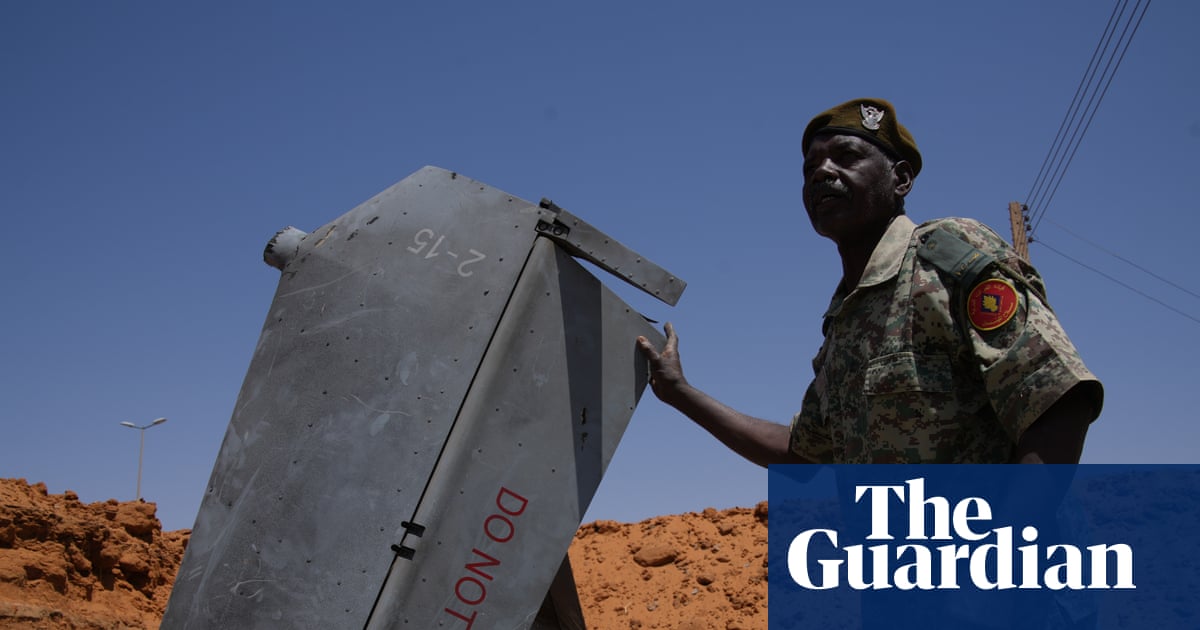
The use of drones has escalated significantly throughout the conflict. Data indicates that between January and April, drone strikes accounted for at least 880 civilian deaths. This figure represents more than eighty percent of all conflict-related civilian fatalities recorded in Sudan during that period. The reliance on aerial weaponry has transformed the nature of the violence, making civilian areas increasingly vulnerable to sudden and lethal attacks.
The broader humanitarian situation continues to deteriorate rapidly. The fighting has already killed hundreds of thousands of people and displaced millions more from their homes. International observers note that the conflict is being fueled by foreign powers with vested interests in the outcome. These external actors are providing support to both sides, enabling them to pursue military objectives rather than seeking diplomatic solutions.
United Nations officials have expressed deep concern over the trajectory of the crisis. Rosemary DiCarlo, the under-secretary-general for political and peacebuilding affairs, recently warned the Security Council that there is no breakthrough on the horizon. She noted that the warring parties do not appear to be moving closer to dialogue. Instead, they seem confident that continued external support will allow them to achieve greater gains through force.
The lack of progress in negotiations leaves civilians bearing the brunt of the violence. With both sides entrenched and receiving outside assistance, the prospect of an immediate ceasefire remains dim. The attack in al-Dibab serves as a stark reminder of the human cost of this prolonged conflict. As drone warfare intensifies, the safety of markets, transport hubs, and other civilian gathering places continues to diminish.
Future developments will likely depend on whether international pressure can alter the calculus of the warring factions. Until then, communities in West Kordofan and other contested regions remain at high risk. The death toll from this single incident underscores the urgency of finding a political resolution. Without such a breakthrough, similar tragedies are expected to recur as the conflict drags on.
Sources behind this briefing
Go to the original reporting
- The Guardian World↗Drone attack near market kills 80 in Sudan