The short version
- Drax Group has partnered with Brookfield and Radiant to develop a gigawatt-scale data center on the site of its North Yorkshire power plant, targeting operations by early 2028.
- The move comes as the UK government reduces subsidies for Drax’s biomass operations due to sustainability concerns regarding carbon accounting methods.
- While investors reacted positively, environmental questions remain about how such energy-intensive facilities will be powered without straining the national grid or relying on fossil fuels.
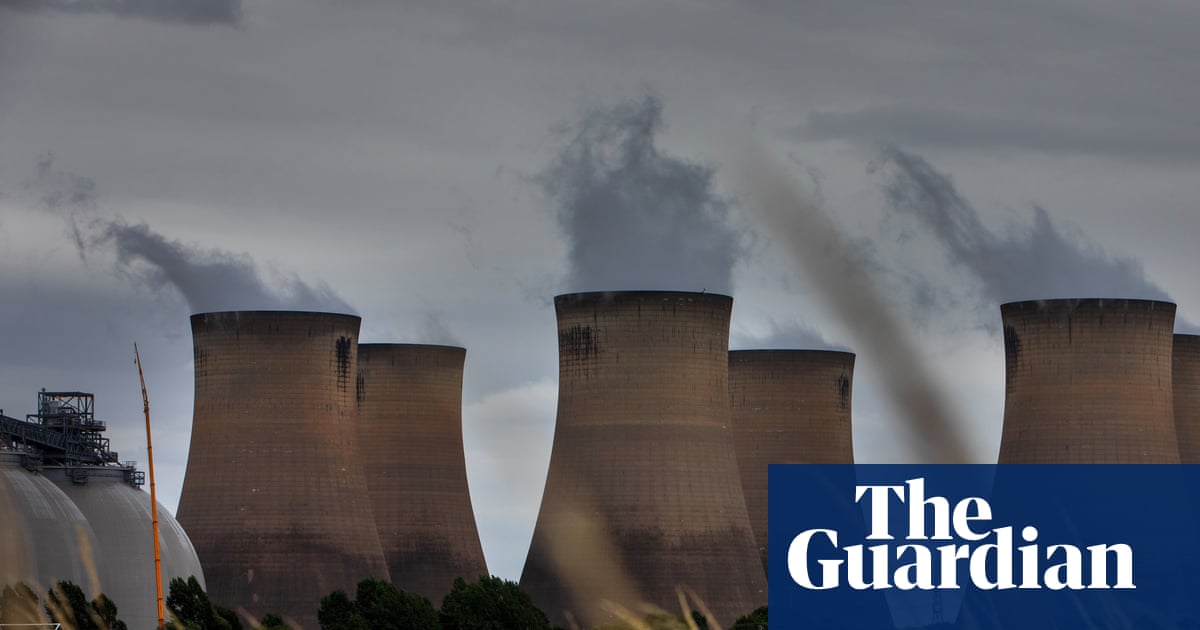
A major shift in the United Kingdom’s energy landscape is underway as Drax Group, owner of the nation’s most polluting power station, announced a £20 billion agreement to repurpose its North Yorkshire facility for artificial intelligence infrastructure. The deal involves partnerships with infrastructure investor Brookfield and AI platform Radiant, marking what company leadership describes as the next chapter for the site. This strategic pivot aims to capitalize on the growing demand for computing power while addressing the impending reduction in government support for the plant’s current biomass operations.
The proposed development envisions a data center with an eventual capacity exceeding one gigawatt, which would make it the largest of its kind in the country. The initial phase is scheduled to become operational in the first quarter of 2028, offering up to 100 megawatts of compute capacity. In this early stage, Drax will provide land and access to existing national grid connections rather than generating power directly for the facility. However, the company intends to transition to direct power supply from the plant by the early 2030s, pending regulatory approvals.
Financial markets responded favorably to the announcement, with Drax’s market value rising nearly nine percent on the London Stock Exchange to approach £3 billion. Equity analysts welcomed the news, viewing it as a stabilizing move for the FTSE 250-listed company. Will Gardiner, the chief executive of Drax, stated that the project would help secure the long-term future of the site and protect hundreds of jobs. He also emphasized its role in supporting reindustrialization in northern England and strengthening the country’s sovereign AI capabilities.
The urgency behind this transition is partly driven by changing government policy regarding biomass energy. Drax currently produces almost five percent of the UK’s electricity by burning woody biomass pellets, a process that makes it the single largest emitter of carbon dioxide according to independent analysts. The company argues that these emissions are offset by the growth of trees used to produce the waste wood, a claim that has faced increasing skepticism. Consequently, the UK government has signaled that Drax will play a much more limited role in future energy generation.
Specifically, the plant’s access to subsidies is set to be halved from 2027 to 2031, dropping from £2 million per day. This reduction reflects growing concerns over the sustainability claims associated with biomass burning. Drax hopes to secure regulatory approval to supply the data center directly before 2031, a timeline that would help stabilize its revenue streams during this period of reduced state support. The ability to pivot from power generation to infrastructure hosting is seen as critical for maintaining financial viability.
The announcement follows closely on the heels of a draft national policy statement published by the government last week, which described data centers as fundamental to the economy, comparable to railways and electricity networks. Officials emphasized the need to take control over data center development to ensure that host communities benefit from these projects. This policy backdrop suggests a broader governmental effort to manage the rapid expansion of digital infrastructure while balancing economic growth with local interests.
Despite the optimism surrounding the investment, significant challenges remain regarding the environmental impact of such large-scale computing facilities. The UK faces a congested grid infrastructure and ambitious, legally binding climate targets. These constraints have raised questions among experts about how a surge in data center construction can be powered sustainably. There is particular concern that without sufficient renewable capacity, developers might rely heavily on expensive and polluting off-grid gas generation to meet immediate power demands.
The tension between economic ambition and environmental responsibility defines the current debate around Drax’s new direction. While the company frames the project as a step toward reindustrialization and technological sovereignty, critics point to the historical carbon footprint of the site. The success of this venture will likely depend on whether Drax can deliver on its promise to power the facility directly in the 2030s without exacerbating the nation’s climate challenges or straining an already pressured electrical grid.
Sources behind this briefing
Go to the original reporting
- The Guardian World↗UK’s most polluting power plant could power country’s largest AI datacentre


