The short version
- A chartered aircraft carrying Prime Minister Andy Burnham diverted from its original path to pick him up in Manchester before heading to the Caribbean.
- Critics argue the detour contradicts Labour’s previous pledges to reduce private jet usage and increase transparency in government travel expenses.
- Official spokespeople declined to provide specific cost figures or detailed security justifications, citing standard protocols for ministerial movement.
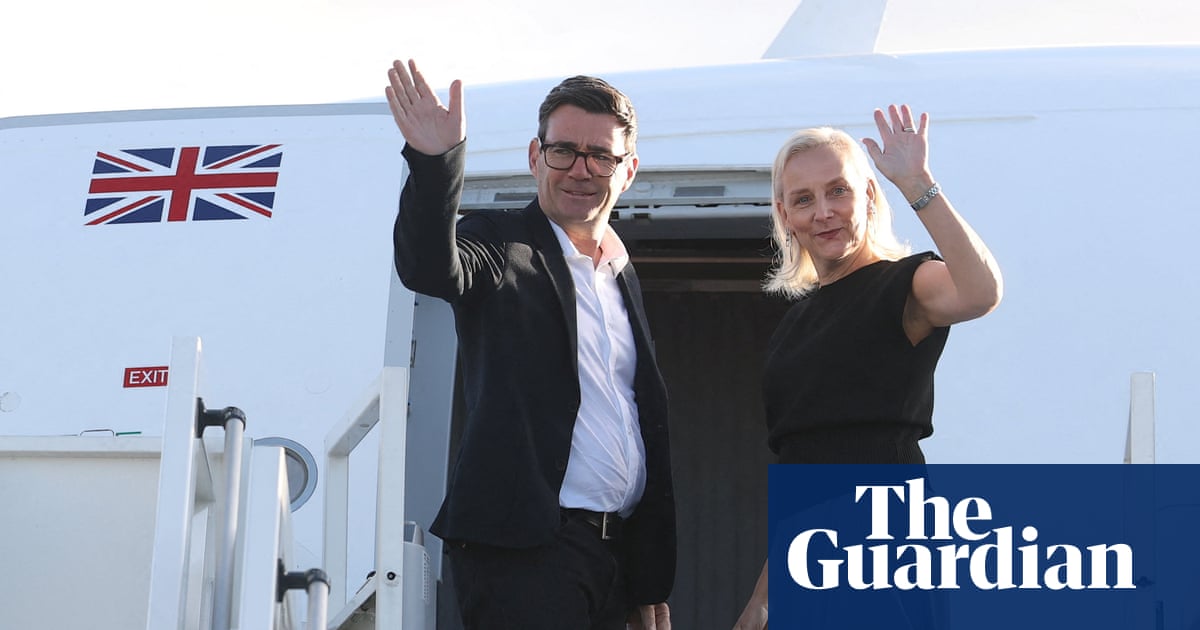
Downing Street has defended the travel itinerary of Prime Minister Andy Burnham after revelations that a government-chartered aircraft made an unscheduled stop in Manchester to collect him before proceeding to the Caribbean. The flight, which was originally scheduled to depart from Stansted Airport outside London, altered its course to pick up the prime minister and his wife approximately thirty minutes after their initial takeoff. This logistical adjustment has drawn sharp criticism from political opponents and observers who view the maneuver as inconsistent with the Labour Party’s stated commitment to reducing the environmental and financial footprint of government travel.
The controversy centers on the perceived hypocrisy of the current administration, which previously criticized former Prime Minister Rishi Sunak for his frequent use of private planes and helicopters for domestic journeys. Under the previous Conservative government, Sunak faced scrutiny for utilizing RAF jets and chartered helicopters to reach destinations such as Southampton, Dover, and the West Midlands, even when rail alternatives were available. Labour’s campaign platform included promises to crack down on such practices, framing them as part of a broader culture of excess that needed to be dismantled upon taking office.
Upon assuming power, the new government moved quickly to cancel a £40 million helicopter contract, describing it as a necessary step in undoing what they termed fourteen years of institutional rot. The ministerial code explicitly states that private aircraft should only be used when no other viable alternative exists. Critics argue that Burnham’s decision to have a long-haul flight diverted specifically for his pickup violates the spirit, if not the letter, of these guidelines. Shadow Cabinet Office Minister Mike Wood characterized the incident as evidence of a double standard, suggesting that the rules applied to others do not extend to the prime minister himself.
The aircraft in question is leased by the government for prime ministerial travel and typically departs from Stansted, which features a dedicated section for private flights designed to enhance security protocols. On Monday morning, the plane left Stansted at approximately 6:00 am, carrying officials and a small group of pool media reporters bound for Antigua and Barbuda, where the Commonwealth heads of government summit was set to begin the following day. Burnham was not among the initial passengers; instead, he joined the flight after it landed in Manchester, where it remained on the ground for about an hour before continuing its journey via Canada for refueling.
When pressed for details regarding the rationale behind this routing, a spokesperson for the prime minister emphasized that travel decisions are made based on security and operational grounds. The official declined to comment further on these specific factors, noting that such matters are not subject to public discussion. However, the spokesperson did assert that the government remains transparent about travel costs, which will be published through standard channels in due course. This response was met with skepticism by journalists seeking immediate clarity on whether the detour represented value for money or simply an avoidance of the effort required to return to London.
Burnham’s schedule prior to the flight included a trip to Scotland on Friday, followed by work from No 10 North in Manchester that evening. His family home is located in Greater Manchester, and he routinely works in the city on Fridays while spending weekends there. The spokesperson indicated that this pattern of working remotely from his base of operations was consistent with his usual routine. Despite this explanation, questions remain about why a dedicated long-haul flight was deemed necessary to retrieve him rather than having him travel separately to London or joining the delegation at a later stage.
The incident highlights the ongoing tension between the practical demands of modern political leadership and the public’s expectation for fiscal responsibility and environmental stewardship. While security concerns often justify unconventional travel arrangements, the lack of immediate transparency regarding costs has fueled speculation about the true expense of the detour. The government’s insistence on withholding specific financial data until formal publication leaves a vacuum that critics are quick to fill with accusations of privilege and inconsistency.
As the Commonwealth summit proceeds, the focus may shift from the logistics of arrival to the substance of diplomatic engagements. However, the episode serves as a reminder of the heightened scrutiny facing public officials in an era where every decision is weighed against broader political narratives. The Labour government’s ability to maintain credibility on issues of austerity and ethical governance will likely depend on how it addresses these perceptions of special treatment.
Looking ahead, the publication of travel costs will be closely monitored by both media outlets and opposition parties. If the expenses associated with the Manchester detour are significant, they could provide further ammunition for critics arguing that the new administration has not fundamentally changed its approach to executive privilege. Conversely, if the costs are minimal or justified by compelling security needs, the government may seek to downplay the incident as a minor logistical anomaly rather than a systemic failure.
Ultimately, this event underscores the challenges of balancing operational efficiency with public accountability. The debate over private aviation in government is not new, but each instance reinforces the need for clear, enforceable standards that apply equally to all ministers. Until such frameworks are robustly implemented and transparently reported, incidents like Burnham’s flight will continue to generate controversy and erode trust in political leadership.
Sources behind this briefing
Go to the original reporting
- The Guardian World↗No 10 defends flight to Caribbean going via Manchester to pick up Burnham


