The short version
- DoorDash agreed to pay $131.5 million to resolve a New York City investigation into wage violations, including backpay for approximately 264,000 workers.
- The settlement addresses disputes over compensation for idle time logged in the app and resolves issues regarding late or missed payments caused by technical glitches.
- City officials characterize the payout as part of a broader effort to enforce 2023 labor laws, while DoorDash attributes errors to complex regulatory changes and software bugs.
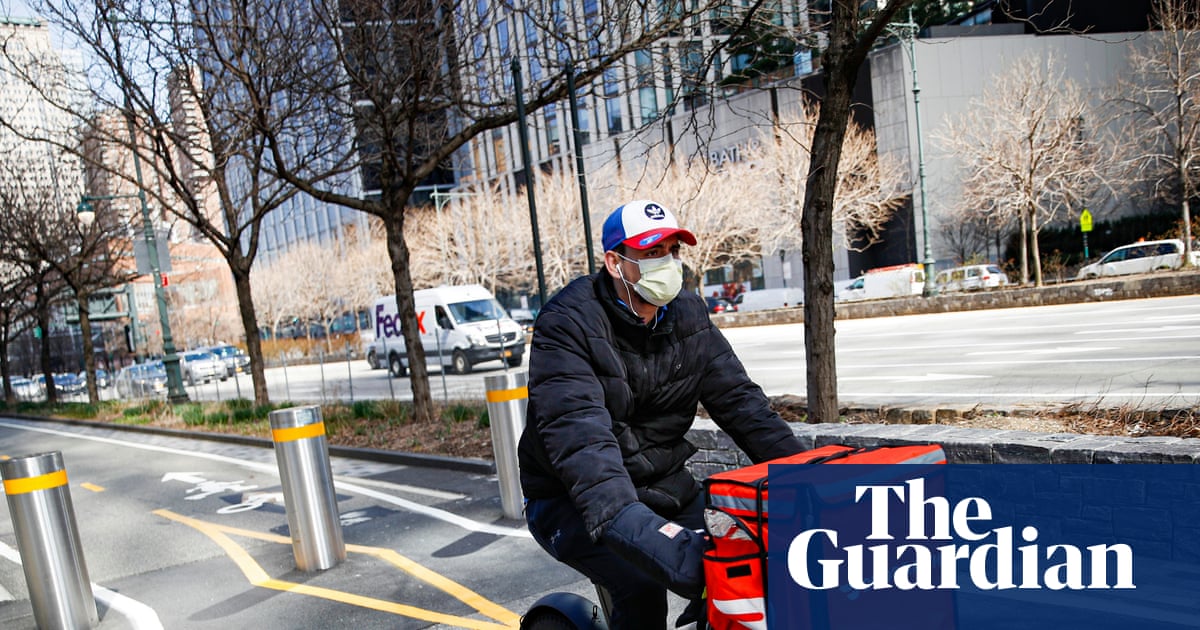
DoorDash has agreed to pay $131.5 million to settle an investigation by New York City regulators regarding wage violations involving its delivery workforce. The agreement resolves claims that the company underpaid workers or delayed compensation for hundreds of thousands of drivers, known as Dashers. Mayor Zohran Mamdani described the settlement as the city’s largest labor enforcement action to date, signaling a significant escalation in municipal oversight of gig economy platforms.
The financial package includes nearly $115 million in relief distributed directly to approximately 264,000 workers, with a median individual payout of about $48. The remaining $16.7 million constitutes a civil fine paid to the city. DoorDash acknowledged responsibility for the discrepancies, stating that mistakes led to underpayment or late payment for some drivers. The company emphasized that while these errors were not intentional, they remain unacceptable.
A substantial portion of the settlement, totaling $83 million, addresses a dispute over how compensation is calculated for time workers spend logged into the application without actively making deliveries. Under New York’s 2023 labor laws, platforms must compensate drivers for all hours spent online, not just during active trips. This requirement represents a major shift from industry norms where pay was traditionally limited to active delivery windows.
Another $12.3 million of the settlement covers payments that were either missed entirely or arrived days or weeks late. According to company data, systemic errors resulted in approximately $6.6 million in wages never reaching workers and another $5.7 million arriving with significant delays. DoorDash reported that these issues affected less than 1 percent of overall local transactions but impacted a large number of individual accounts due to the volume of orders processed.
DoorDash attributed many of the payment errors to technical glitches, incomplete banking information for workers, and complex logistical scenarios such as deliveries crossing city boundaries or involving multiple pickup locations. The company also cited challenges in adapting to new minimum wage standards introduced in New York state in 2023, which vary by county, employer size, and tipping structures. DoorDash stated it has since patched the software bugs responsible for these miscalculations.
City officials have framed the settlement as part of a broader commitment to holding delivery companies accountable under recent labor reforms. Mayor Mamdani criticized the company’s use of algorithms that he argued failed to accurately count every hour worked by delivery personnel. He characterized the failures not as minor rounding errors but as significant compliance issues that undermined the intent of the 2023 legislation designed to improve worker pay.
The settlement also includes a provision requiring DoorDash to submit detailed pay data to the city every month for the next three years. This transparency measure aims to ensure ongoing compliance with local labor standards. The agreement comes nearly eight months after the city’s Department of Consumer and Worker Protection accused DoorDash and rival Uber Eats of using design tricks to deprive workers of more than $550 million in tips.
This case highlights the continuing tension between gig economy platforms and municipal regulators over worker classification, compensation standards, and data sharing. While DoorDash has settled this specific matter, questions remain regarding compliance among competitors such as Uber Eats and Grubhub. City officials declined to comment on whether other platforms are adhering to the 2023 law, and those companies did not immediately respond to requests for comment.
DoorDash shares rose slightly in afternoon trading following the announcement of the settlement. The company noted that local workers earn roughly $30 per active hour on average, according to internal metrics. As New York City continues to enforce its labor protections, this settlement sets a precedent for how regulatory bodies may address wage disputes in the rapidly evolving delivery sector.
Sources behind this briefing
Go to the original reporting
- The Guardian US↗DoorDash to pay $131.5m after underpaying New York workers
- BBC Business↗'We screwed up': Doordash admits underpaying New York workers

