The short version
- Byron Donalds defeated three rivals, including the lieutenant governor, to win the Republican nomination for Florida governor.
- Former congressman David Jolly secured the Democratic nomination after switching parties from Republican to Independent and finally to Democrat.
- The general election will feature a contest in which Democrats have not won a statewide race since 2018.
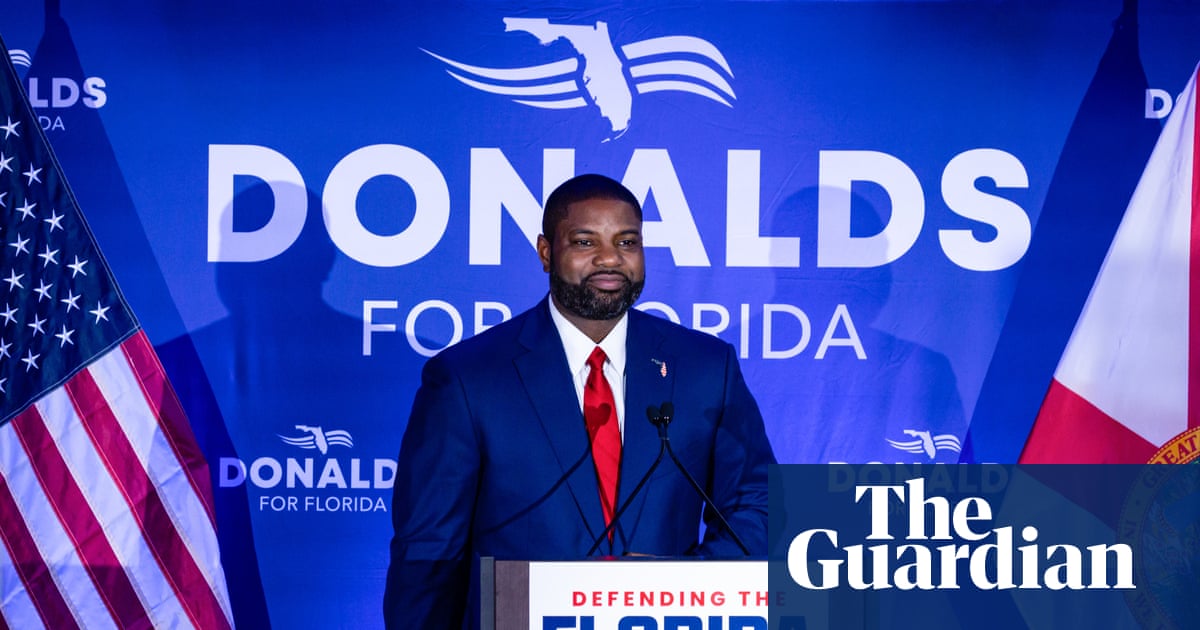
Byron Donalds has captured the Republican nomination for governor of Florida, positioning himself to succeed Ron DeSantis in November. The congressman from southwest Florida defeated three prominent rivals in Tuesday’s primary, including Jay Collins, who had been handpicked by DeSantis as his lieutenant governor. Donalds’ victory consolidates support behind a candidate closely aligned with Donald Trump, whose endorsement is viewed as potentially decisive in a state that serves as a central hub for the former president’s political movement.
Donalds entered the primary with significant momentum, polling close to fifty percent at times and ignoring his Republican challengers in television advertisements. Instead, his campaign focused on framing the general election contest against David Jolly, the former Republican congressman who secured the Democratic nomination on the same day. Donalds characterized Jolly as a radical liberal who would raise taxes and increase costs for Floridians. He expressed gratitude to his supporters on social media, asserting that Florida cannot afford Jolly’s agenda and predicting a victory in November.
Jolly, a lawyer and former congressman, has undergone a significant political transformation. He previously served as a Republican before becoming an independent and finally switching to the Democratic party last year. His campaign was notably more moderate than the progressive efforts that succeeded in other states’ primaries this summer. Despite this centrist approach, Donalds attacked Jolly on cultural issues, accusing him of supporting gender-reassignment surgery and allowing transgender males to compete in girls’ sports.
In his victory speech, Jolly addressed themes of political division and economic stability. He thanked Democratic supporters for welcoming him into the party and highlighted common ground found across the aisle. However, he placed blame on Donalds for rising costs in the state, accusing the Republican nominee of selling out to special interests. Jolly’s path to nomination was relatively smooth, as he fended off challenges from five other Democrats, including state representative Dotie Joseph and Dayna Marie Foster, a former educator endorsed by the Florida Democratic Progressive caucus.
The primary results reflect a clear rejection of alternative Republican candidates. Voters dismissed Jay Collins, an Army special forces veteran who criticized Donalds as part of the Washington elite. They also rejected Paul Renner, the former speaker of the Florida House, and James Fishback, described as an extremist. Instead, Republican voters favored Donalds, whose campaign website emphasizes a commitment to implementing Trump’s agenda. Donalds had been reportedly considered for the vice-presidential slot in 2024, which ultimately went to JD Vance.
Donalds’ platform centers on affordability, specifically targeting property taxes and insurance costs. This focus appears to be a strategic dig at DeSantis’s tenure, which was often defined by culture war issues rather than economic pragmatism. Donalds has pledged to implement the former president’s agenda if he wins the governor’s seat. His confidence in victory is evident in his campaign strategy, which bypassed intra-party competition to focus entirely on the general election opponent.
The historical context of Florida politics presents a formidable challenge for Jolly. No Democrat has won a Florida gubernatorial election since Lawton Chiles in 1994. Furthermore, no Democrat has secured a statewide victory in the state since Nikki Fried was elected agriculture commissioner in 2018. Fried currently serves as the chair of the Florida Democratic party. These statistics underscore the uphill battle Jolly faces in November.
DeSantis did not issue an endorsement in the governor’s race, marking a departure from his previous involvement in primary contests. In 2018, DeSantis was considered unlikely to win until Trump’s endorsement revitalized his campaign. The current dynamic suggests that Trump’s influence remains potent in Florida politics. Donalds’ victory ensures that the Republican nominee will be a vocal ally of the former president, potentially shaping the state’s political landscape for years to come.
As the campaigns move toward November, the contrast between the two nominees is stark. Donalds represents the conservative base aligned with Trump’s movement, while Jolly offers a moderate alternative in a deeply red state. The outcome will depend on whether Jolly can overcome historical trends and mobilize voters against a candidate who has already declared victory. The race highlights the enduring power of party alignment and national political figures in determining local electoral outcomes.
The primary results also signal a shift in Florida’s Republican leadership. With Collins defeated, DeSantis’s chosen successor is out of the running. Donalds’ rise reflects the broader realignment of the party toward Trump loyalists. This trend may influence future elections and policy priorities in the state. As the general election approaches, both campaigns will likely intensify their efforts to define the narrative around economic issues and cultural values.
Sources behind this briefing
Go to the original reporting
- The Guardian US Politics↗Trump-backed Byron Donalds to face Democrat David Jolly in race to succeed Florida governor DeSantis