The short version
- The documentary Your Attention Please examines how platform algorithms prioritize engagement over user well-being, contributing to harmful outcomes for teenagers.
- Kristin Bride advocates for the Kids Online Safety and Privacy Act after her son died by suicide following cyberbullying incidents.
- Experts suggest regulatory measures similar to tobacco warnings while schools experiment with device restrictions to reduce digital distraction.
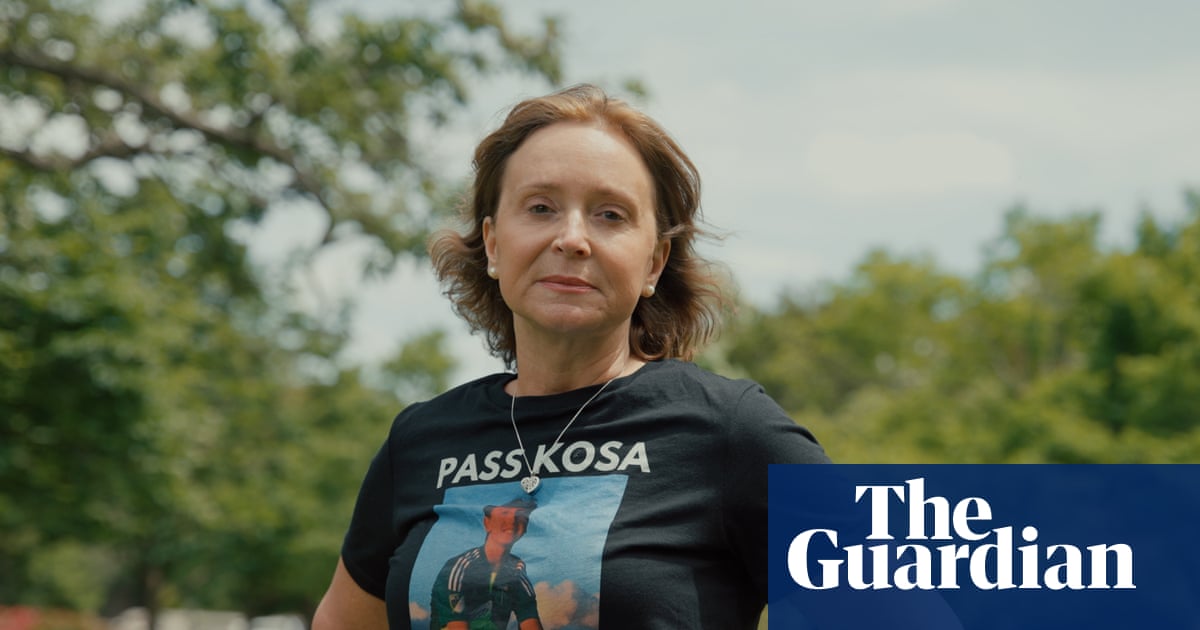
A new documentary released in October offers a critical examination of the business models driving major social media platforms, arguing that financial incentives often override user safety. The film centers on the experiences of Kristin Bride, who has become a prominent advocate for legislative change following the death of her sixteen-year-old son, Carson. His passing in 2020 was attributed to cyberbullying, an event that propelled Bride into a sustained campaign against the current structure of online interaction.
Bride’s journey involves direct engagement with federal lawmakers, including testimony before Congress regarding the Kids Online Safety and Privacy Act. Her personal narrative illustrates the difficulty parents face in protecting children from digital harms despite best efforts to monitor usage. She noted that her son received his first smartphone without applications during middle school, but peer pressure led him to request access to Snapchat upon entering tenth grade. He did not survive to reach eleventh grade.
The documentary frames these individual tragedies within the broader context of the attention economy. Director Sara Robin argues that platforms such as Meta and TikTok are engineered to maximize user retention through algorithms that reward extreme or highly engaging content. This design choice effectively rewires brain responses to keep users scrolling, prioritizing corporate profit over psychological well-being. The film suggests that this model is inherently exploitative, treating human attention as a commodity to be extracted rather than a resource to be respected.
Experts featured in the film provide additional perspective on the systemic nature of these issues. Former US Surgeon General Vivek Murthy advocates for warning labels on social media applications, drawing parallels to regulations imposed on tobacco products. Frances Haugen, known for her whistleblowing activities regarding Facebook’s internal research, is also highlighted. Her work underscores concerns that companies were aware of potential harms yet continued to optimize for engagement metrics that could exacerbate mental health struggles among young users.
The narrative extends beyond legislative advocacy to explore practical interventions at the community and institutional levels. The film showcases initiatives such as the Offline Club in Amsterdam, where participants surrender their devices before attending events. In Massachusetts, Brockton High School has implemented a policy requiring students to store phones in secure pouches throughout the school day. These examples demonstrate growing recognition that passive consumption of digital content requires active management strategies to mitigate negative effects.
Robin emphasizes that the goal is not to reject technology entirely but to foster a healthier relationship with it. She describes social media as designed to feel comfortable and immersive, akin to slipping into a warm bath, which can lead users to lose track of time and intent. However, she warns that this comfort is deceptive, comparing the experience to a frog being slowly boiled in water without realizing the danger. The challenge lies in recognizing when platforms are exploiting attention rather than serving user needs.
The irony of promoting anti-addiction messages through the very platforms criticized for fostering addiction is acknowledged within the film. Robin notes that much of the discourse surrounding digital well-being occurs on social media sites themselves. Despite this contradiction, the documentary aims to encourage intentional usage. Viewers are urged to define clear objectives before opening applications and to disengage once those goals are met, resisting the pull of algorithmic distractions.
As the Kids Online Safety and Privacy Act moves through the legislative process, the stakes remain high for families and policymakers alike. The film serves as both a memorial to those lost to cyberbullying and a call to action for structural reform. It highlights the tension between innovation and responsibility in the tech industry, suggesting that without regulatory intervention, the current model will continue to prioritize monetary value over human dignity. The path forward requires balancing connectivity with safeguards that protect vulnerable users from exploitation.
The release of Your Attention Please coincides with a broader cultural reckoning regarding digital habits. While individual strategies like setting boundaries and using device locks offer some relief, systemic change remains elusive. The documentary underscores the need for sustained pressure on lawmakers to enact meaningful legislation. Until then, users must navigate an environment where platforms are designed to disrupt daily life, requiring constant vigilance to maintain control over personal attention and mental health.
Sources behind this briefing
Go to the original reporting
- The Guardian US↗‘We’re not going to go away’: the mom fighting for social media reform after her son’s suicide

