The short version
- The documentary NAZA presents testimony from twenty-four Israeli military insiders regarding surveillance and remote killing methods used in Gaza.
- Interviewees describe AI-driven targeting of low-ranking suspects and the acceptance of collateral damage to families, framing these actions as systemic rather than rogue.
- Filmed under strict security protocols with digital alterations for anonymity, the project builds on investigative reporting from 2023 to 2025.
A documentary titled NAZA has premiered at the Venice International Film Festival, offering a detailed look into the operational systems used by Israel during its military campaign in Gaza. The film is the only documentary competing for the prestigious Golden Lion award this year. It features extensive testimony from twenty-four Israeli military insiders, including intelligence officers and soldiers who were directly involved in surveillance operations and remote killings. The participants spoke on the condition of anonymity due to the significant risks associated with discussing Israel’s war activities publicly.
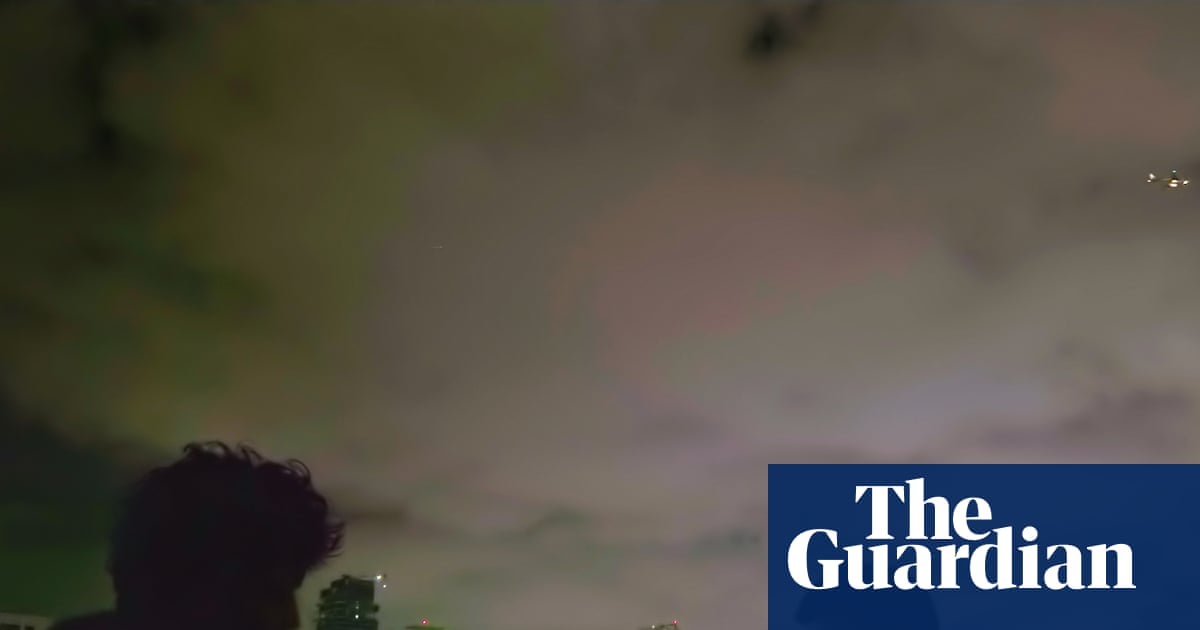
The title NAZA derives from an Israeli military acronym that serves as a euphemism for civilians anticipated to be killed during military attacks. Produced by The Guardian, the film was shot at night on rooftops in Tel Aviv. To protect the identities of those speaking, their appearances and voices were digitally altered. The directors, Yuval Abraham and Rachel Szor, who previously won an Oscar for The Zone of Interest, stated that their goal was to examine the structures behind the mass killing of Palestinian civilians. They emphasized that the focus is not on isolated incidents committed by individual soldiers but on the orders, policies, and accepted practices that enable such outcomes.
The interviewees describe secret methods employed by the Israeli military, including artificial intelligence-based systems designed to identify large numbers of potential low-ranking Hamas targets. According to the testimony, these individuals were bombed in their homes at night with the knowledge that such attacks would also kill their families. The film details how the military hacked into phones to locate these targets and covertly monitored conversations with wives and children moments before strikes occurred. One interviewee, who worked in a secret intelligence unit reporting directly to Prime Minister Benjamin Netanyahu’s office, stated that their mission was to thwart peace.
The accounts also cover the destruction of neighborhoods where the military estimated that up to twenty-five percent of residents remained sheltering in their homes. Participants described the systematic burning of civilian residences and the killing of civilians at a food distribution site. The directors noted that some interviewees expressed remorse, while others spoke with indifference or pride. Abraham explained that they simply asked officers to describe what they did and how the systems worked, allowing the answers to emerge through questioning. This approach aimed to reveal the logic and language that make these practices possible within the military apparatus.
The production process required tight security measures due to the risk to confidential journalistic sources. The contents of the film remained closely guarded until its premiere on Thursday. Paul Lewis, head of investigations at The Guardian and an executive producer on the project, described NAZA as the culmination of years of painstaking work to uncover and verify the systems used by Israeli military intelligence in Gaza. The documentary builds on revelations first published between 2023 and 2025 by +972 Magazine, Local Call, and The Guardian. Abraham noted that cinema provided a unique space to explore these structures and how they fit together collectively.
Alberto Barbera, the artistic director of the Venice Film Festival, characterized the film as truly groundbreaking and politically disruptive. He told journalists that it took three years to convince Israeli intelligence and military officials to share their experiences from the beginning of the invasion. Barbera assured reporters that the testimonies are shocking and that the work is cinematically extremely interesting. The film’s executive producer is Jonathan Glazer, who worked alongside James Wilson on this project, continuing a collaboration that began with their previous award-winning feature.
The context for these revelations includes the broader impact of the conflict since 2023. Israeli attacks in Gaza have killed more than seventy-three thousand Palestinians, the majority of whom are civilians, and injured over one hundred seventy-four thousand others. These figures represent more than ten percent of Gaza’s prewar population. Additionally, Israeli restrictions on food shipments contributed to a man-made famine last summer. The military has razed or damaged more than three-quarters of homes in the region, leaving surviving Palestinians crowded into remaining spaces.
The directors stressed their obligation as Israeli filmmakers and journalists to examine the systems for which their country is responsible. By focusing on the people who operate within these systems, the film aims to provide a comprehensive view of the mechanisms behind the violence. The premiere marks a significant moment in the ongoing discourse about the conduct of the war, offering verified insights from those inside the military structure. As the film enters competition at Venice, it brings attention to the intersection of technology, policy, and human cost in modern warfare.
Sources behind this briefing
Go to the original reporting
- The Guardian World↗Secret systems used by Israel in mass killings of Gaza civilians revealed in new film

