The short version
- The Foyle Rumble, a wrestling event for disabled adults, held its third iteration in Derry with increased scale and audience attendance.
- Participants develop stage personas that help them overcome personal challenges related to bullying, disability, and self-esteem.
- Organizers emphasize the physical risks involved in training while highlighting the program's success in fostering independence and agency.
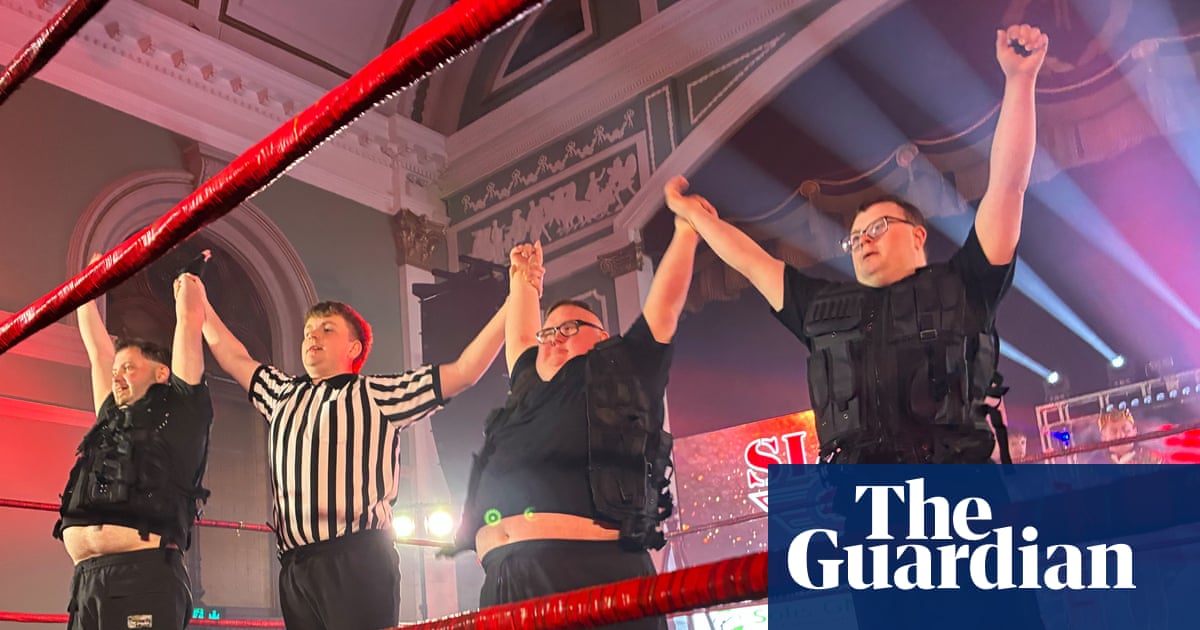
A wrestling event designed for adults with disabilities returned to Derry this weekend, marking the third iteration of a program that blends athletic performance with personal development. The Foyle Rumble, held at St Columb’s Hall, drew hundreds of spectators to watch dozens of performers engage in scripted matches featuring elaborate costumes, dramatic entrances, and narrative-driven conflicts. This year’s show was described as the most ambitious yet, expanding on previous efforts to provide a platform for individuals who might otherwise face marginalization in mainstream sports or entertainment venues.
The initiative is a collaboration between the Tuned In Project, a local nonprofit focused on creating opportunities for disabled adults, and Complete Anarchy Wrestling, an event promotion group based in County Donegal. The partnership aims to foster confidence and resilience by teaching participants not only wrestling techniques but also how to craft compelling stage characters. These personas often serve as alter egos that allow performers to project strength and fearlessness, traits they may struggle to embody in their daily lives due to societal barriers or personal insecurities.
For many participants, the transformation is profound. Keelan O’Hagan, a 24-year-old performer known in the ring as Kellio, cited past experiences of bullying related to his weight and attendance at a special school as motivation for joining the program. Through rigorous training and lifestyle changes, he has developed a character defined by perseverance and refusal to quit. Similarly, Brian Walsh, a 44-year-old blind wrestler performing as Brian Brogue, reported significant gains in physical strength and self-assurance. He noted that while the initial training was intimidating, mastering wrestling moves provided a sense of accomplishment that transcended his disability.
The program’s structure involves months of preparation, during which participants learn choreographed sequences that simulate combat without causing serious harm. However, organizers acknowledge that the physical demands are real and carry inherent risks. Phil Conn, the program manager for the Tuned In Project, emphasized that while the matches are staged, the throws and impacts can result in bruises and minor injuries. Despite these dangers, the training is viewed as a necessary component of building endurance and trust among performers, who must rely on each other to execute moves safely.
The concept originated from a chance encounter when Sean Curran of the Tuned In Project hired Stephen Campbell, a gymnastics teacher and wrestling coach, to choreograph a stunt for a wedding reception. Impressed by the enthusiasm and aptitude of the students, Campbell began offering regular coaching sessions. Over time, it became clear that the participants possessed both the talent and desire to create distinct characters and perform in front of an audience. This organic growth led to the establishment of the Foyle Rumble as a formalized event series.
This year’s storyline featured heroic characters battling against a villainous entity known as The Fault, complete with smoke machines and dramatic lighting effects. Performers like Kiernan McLaughlin, who plays King Kiernan, and SJ Murray, whose character Siren is described as fearless and protective, embraced their roles despite initial nerves. Murray, who has a learning disability, admitted to feeling petrified before stepping into the ring but found solace in the support of her family and the structured environment provided by the program.
The broader impact of the initiative extends beyond the spectacle of the matches. Organizers report that participants have experienced measurable improvements in confidence, social interaction, and overall well-being. The program provides a sense of purpose and community, offering a reason for individuals to engage actively with their surroundings. By challenging participants to push their limits and embrace new identities, the Foyle Rumble serves as a model for inclusive sports programs that prioritize empowerment over competition.
As the event concludes, attention turns to future plans for expansion and sustainability. The success of the third annual show suggests growing interest in disability-inclusive athletics and entertainment. While challenges remain regarding funding and accessibility, the positive feedback from participants and audiences alike underscores the value of such initiatives. The Foyle Rumble stands as a testament to the potential of creative expression and physical activity to transform lives, offering a unique space where disability is not a barrier but a part of a larger, empowering narrative.
Sources behind this briefing
Go to the original reporting
- The Guardian World↗‘No matter what, he doesn’t quit’: disabled wrestlers draw strength from ring alter egos


