The short version
- Kremlin advisers state President Putin assured Donald Trump that Russia holds no hostile intentions toward European nations, contradicting recent Western accusations of sabotage.
- U.S. envoys visited both capitals over the weekend but achieved no breakthrough, with fighting resuming immediately after a temporary truce during their presence.
- Ukrainian leadership expresses cautious optimism about new peace proposals while emphasizing the urgent need for Patriot missile systems and financial support to sustain defense capabilities.
A diplomatic effort involving high-level American envoys has yielded limited tangible progress in ending the ongoing conflict between Russia and Ukraine, even as Moscow seeks to reassure Washington of its strategic boundaries. Following separate meetings with Russian President Vladimir Putin and Ukrainian President Volodymyr Zelenskyy over the weekend, U.S. representatives Jared Kushner and Steve Witkoff departed without announcing any substantial breakthroughs. The brief pause in hostilities that accompanied their visits ended abruptly, with both sides resuming deadly aerial attacks on each other’s territories shortly after the Americans left.
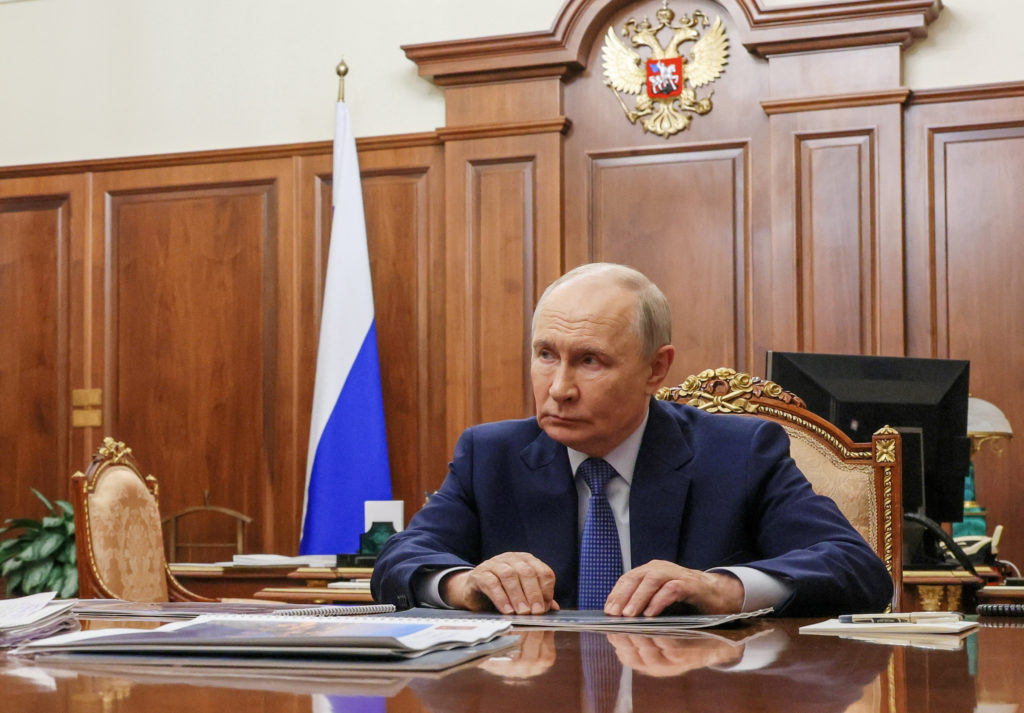
In a telephone conversation with President Donald Trump, Putin reportedly emphasized that Russia does not harbor aggressive intentions toward Europe, according to senior Kremlin officials. This assertion directly challenges recent allegations from European governments, which have blamed Moscow for a series of sabotage incidents on their soil, including an attempted drone attack at a major German airport. The Kremlin’s foreign affairs adviser described the call as constructive and frank, noting that Putin shared updates on the battlefield situation and Russia’s plans to achieve its military objectives in what it terms a special military operation.
Despite these diplomatic overtures, the reality on the ground remains starkly divided. Russian officials maintain that victory is imminent and that their forces are close to securing their goals in eastern Ukraine. Kremlin spokesman Dmitry Peskov expressed strong confidence in Russia’s military potential while simultaneously welcoming Trump’s diplomatic initiatives. However, Western analysts and Ukrainian observers dispute this assessment, arguing that Moscow has failed to make significant gains along the extensive front line despite possessing a larger army.
Ukrainian President Zelenskyy offered a more nuanced view of the recent diplomatic activity, acknowledging that U.S. envoys presented some worthwhile ideas for ending the war. He indicated hope for a meeting with Trump around September 20, coinciding with the United Nations General Assembly in New York. While details of these proposals remain confidential, Zelenskyy suggested that Ukraine is prepared to compromise on issues such as grain exports and energy security, areas that have seen intense mutual targeting by both sides.
The immediate military situation continues to deteriorate for civilians. Authorities reported that attacks following the end of the weekend truce killed seven people and injured dozens in Kyiv and surrounding regions. Russian officials cited casualties in areas under their control as well. The resumption of heavy fighting underscores the fragility of any temporary ceasefires and highlights the persistent danger faced by populations on both sides of the conflict zone.
Looking ahead, U.S. defense officials are preparing for a long-term engagement. Undersecretary of Defense Elbridge Colby warned that the war could drag on for years as Russia rebuilds its forces and defense industry. He stressed the necessity for sustained support from allied nations to meet Ukraine’s evolving requirements in the coming months and years. This perspective aligns with concerns from European partners who are also grappling with how to maintain pressure on Moscow while supporting Kyiv’s resilience.
Material support remains a critical component of the strategy. Ukrainian officials have requested significant quantities of Patriot air defense missiles and interceptors to counter Russian ballistic missile strikes. The European Commission recently approved a substantial loan package to help Kyiv purchase components for these systems. British Defense Secretary Wes Streeting outlined specific needs, including hundreds of missiles and billions of dollars for drone capabilities, during a meeting with countries providing aid.
As autumn approaches, the diplomatic landscape remains uncertain. While Putin is not expected to attend the UN General Assembly, Zelenskyy aims to leverage the gathering to secure commitments from Western leaders. The contrast between Russia’s claims of impending victory and the West’s assessment of stalled progress suggests that any path to peace will require significant negotiation and continued military assistance for Ukraine.
Sources behind this briefing
Go to the original reporting
- PBS NewsHour↗Putin tells Trump that Russia doesn't have aggressive intentions toward Europe, Kremlin says

