The short version
- Restaurant operators are increasingly using AI tools for marketing and operations to manage slim profit margins amid rising costs.
- Consumers have expressed strong disgust toward AI-generated food images that feature distorted textures, such as leathery meat or reptile-like bread.
- Industry professionals argue that while backend automation is acceptable, visible AI manipulation of food visuals undermines trust and authenticity.
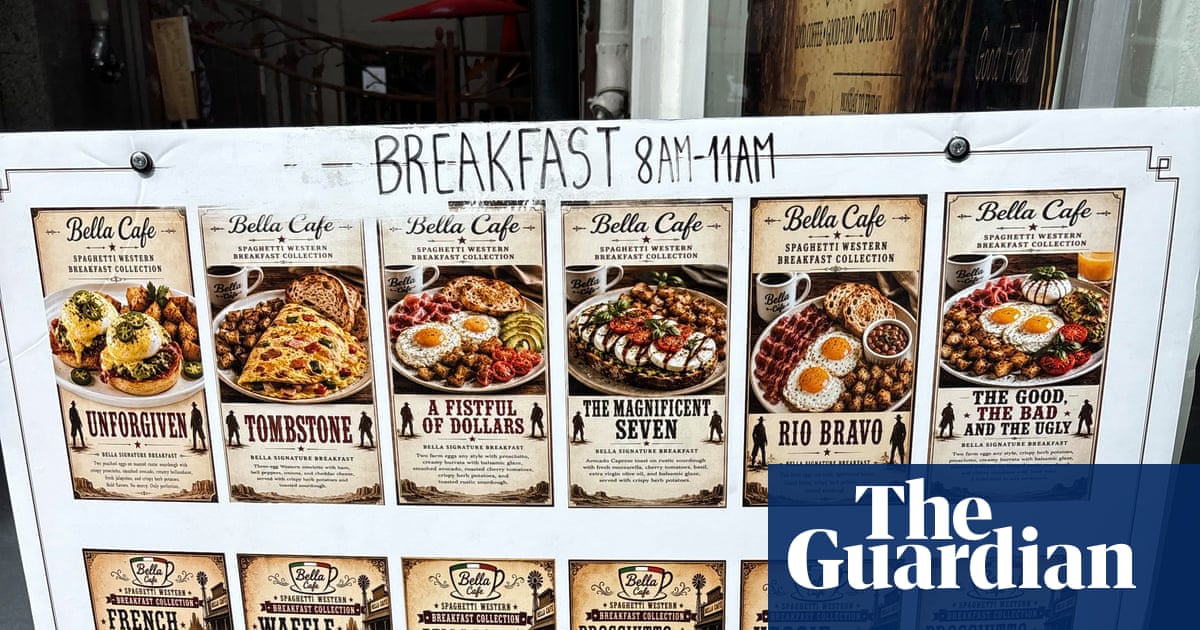
A growing tension has emerged between restaurant operators seeking cost efficiencies and diners demanding visual authenticity in food marketing. As artificial intelligence tools become more accessible, some eateries are replacing traditional photography with algorithmically generated images for their menus and signage. This shift is driven by the need to cut expenses during a period of high labor and ingredient costs, yet it has triggered immediate and often hostile reactions from customers who find the resulting visuals unappetizing or deceptive.
The backlash highlights a specific failure in current AI image generation: the inability to accurately render food textures. Consumers have reported encountering menu items that appear distorted, with meats resembling leather belts crawling with insects and bread looking like reptile skin or loofahs. These visual errors trigger a visceral response, turning potential customers away rather than attracting them. The disconnect is particularly stark because eating is considered an essential human experience, making the visual representation of food critical to consumer decision-making.
In Denver, a nurse named Jill Sennett encountered such imagery at a Jamaican barbecue pop-up located within her hospital. She shared photos of the menu on social media, where they were widely reshared by users expressing disgust. Despite finding the images horrifying and culturally damaging, she still ordered food because it was one of her limited lunch options and she had previously eaten at the establishment. Her experience underscores a difficult reality for consumers: even when marketing materials are repulsive, practical necessity often overrides aesthetic preferences.
Restaurant operators defend their use of AI as a necessary measure to remain cost-effective. The manager of the Denver pop-up confirmed that he used ChatGPT to generate menu images instead of hiring a graphic designer, a service he continues to pay for at his permanent brick-and-mortar location. He stated that the goal was to create eye-catching designs without incurring additional expenses. This approach reflects a broader trend identified in a 2026 report by the National Restaurant Association, which found that 26% of restaurant operators now use AI for various functions, including marketing, inventory management, and employee scheduling.
However, the reception to these cost-saving measures can be swift and severe. In San Francisco, a cafe called Grind & Unwind faced vandalism after displaying AI-generated menu signage. Locals quickly identified the images as artificial, leading to graffiti on the storefront that the owner described as unexpected. The owners removed the signage and spent approximately $700 to paint over the damage. This incident illustrates the financial risks associated with alienating local customers through perceived inauthenticity or poor quality control.
Industry experts suggest that while AI has a place in restaurant operations, its application should remain invisible to the diner. Hunter Lewis, editor in chief of Food and Wine magazine, noted that restaurants are growing by automating back-end processes, but using AI for customer-facing visuals can be a significant deterrent. He emphasized that the American dining public is discerning and values realism. When technology interferes with the perception of what is real, it risks damaging the brand’s credibility rather than enhancing its appeal.
In response to this trend, some restaurants are leveraging anti-AI stances as a marketing strategy. The Chugwater Soda Fountain in Wyoming posted a hand-written pledge on cardboard declaring they would never use AI, accompanied by hand-drawn images of their burgers. The post garnered over 200,000 likes on Instagram, with many users celebrating the homespun authenticity. However, some commenters pointed out the irony of using an AI-powered social media platform to protest against artificial intelligence, highlighting the complex relationship between modern technology and traditional values.
Professional photographers note that AI often fails to capture the nuanced lighting, color, and ingredient arrangement that make food look appealing. Jamie Soja, a photographer in the Bay Area, observed that AI-generated images frequently have an unnatural quality that is immediately recognizable to trained eyes. This distinction is becoming harder for average consumers to make, especially as delivery platforms like DoorDash introduce AI tools to enhance existing photos by adjusting lighting or backgrounds.
DoorDash states that its policies prohibit eateries from creating or altering misleading images of menu items and that it reviews content for compliance. The platform automatically applies an 'AI-enhanced' label when restaurants use its editing tools. Despite these measures, distinguishing between AI-generated content and heavily edited photography remains challenging. Researchers are now beginning to study how exposure to AI food imagery affects consumer opinions, suggesting that this issue will require ongoing scrutiny as norms for digital advertising continue to evolve.
The current landscape suggests a transitional period where the benefits of AI efficiency clash with consumer expectations for authenticity. While operators seek to streamline costs, diners remain sensitive to visual cues that signal quality and honesty. Until AI can reliably replicate the subtle textures and appetizing qualities of real food, or until clear standards for disclosure are universally adopted, restaurants may find that cutting corners on visuals ultimately cuts into their reputation and revenue.
Sources behind this briefing
Go to the original reporting
- The Guardian US↗Uncanny and unappetizing: appetites spoil as AI images take over food menus

