The short version
- Ancestry and University College London have digitized approximately 300,000 pages of enslavement registers from twenty former British colonies.
- The records, created between 1813 and 1840, contain detailed personal data including names, ages, and family connections for enslaved individuals.
- Researchers argue the collection shifts historical focus from slave owners to the lived experiences and survival of those who were enslaved.
A significant digital archive documenting the lives of nearly four million enslaved people across twenty former British colonies has become searchable online for the first time. This release marks a major shift in accessibility for historical records that were previously difficult to navigate, offering millions of descendants within the African-Caribbean community and the wider diaspora a new tool to reconstruct their family histories. The initiative represents a collaborative effort between the genealogy platform Ancestry and the Centre for the Study of the Legacies of British Slavery at University College London.
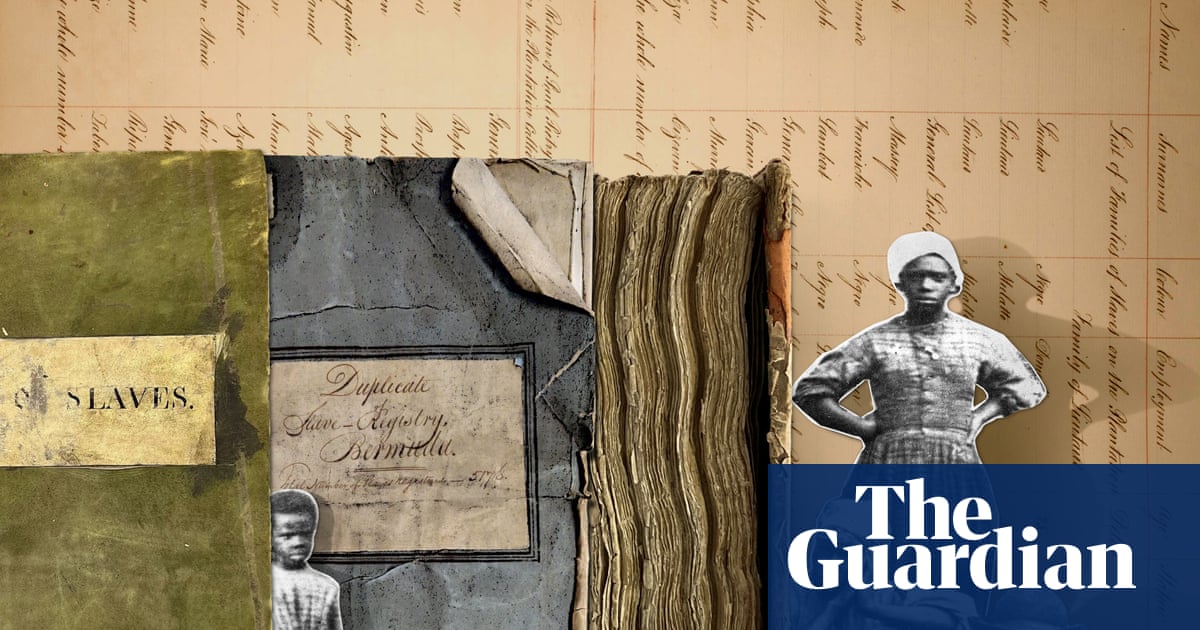
The collection, referred to as the Former British Colonies Enslavement Registers, encompasses roughly 300,000 pages of documentation. These records cover a period between 1813 and 1840 and include data from dependencies such as Jamaica, Barbados, Trinidad, Mauritius, the Bahamas, and the Cape of Good Hope in South Africa. Originally compiled by the British government following the abolition of the transatlantic slave trade in 1807, these registers were designed to monitor the enslaved population and prevent illegal trading activities rather than to preserve individual identities.
Despite their administrative origins, the documents contain precise personal details that researchers describe as extraordinary. Entries frequently list names, ages, physical descriptions, and family ties, alongside records of births, deaths, and transfers of ownership. In some instances, the data distinguishes whether an individual was born in Africa or within the Caribbean region. This level of granularity allows users to pinpoint specific life events, such as the exact birthday of an enslaved child, providing a window into personal histories that were often erased by the institution of slavery.
The digitization process addresses practical barriers that have long hindered genealogical research. Previously, accessing these records required navigating complex archives held at the National Archives in London. The new online interface allows users to search the collection simply by entering a name, democratizing access to information that was once restricted to those with specialized archival skills. This technological intervention transforms how descendants can engage with their heritage, moving beyond abstract statistics to concrete familial connections.
Experts emphasize the symbolic weight of repurposing these documents. Records originally created to count human beings as property are now being utilized by their descendants to restore humanity and identity to their ancestors. Professional genealogists note that this shift challenges narratives that suggest a disconnection between modern populations and the history of enslavement. By revealing the continuity of family lines, the archive counters the notion that there are no living relatives connected to these historical figures.
Academic leaders describe the registers as the most systematic set of archival documents available regarding enslavement in the British Caribbean and colonial world. The release follows recent publications detailing the scale of Britain’s involvement in the transatlantic trafficking of enslaved Africans, including a register identifying thousands of investors in the trade. However, there is a growing consensus among historians that research must pivot toward the experiences of the enslaved themselves, rather than focusing solely on the institutions and individuals who owned them.
The potential for this data to reshape historical understanding is significant. Researchers have already begun using the records to trace families across multiple generations in places like Jamaica. This painstaking work reveals stories of survival, resistance, and community formation that were previously inaccessible. By recovering these narratives, scholars aim to provide a more nuanced view of how heritage survived the trauma of slavery and evolved over time.
The impact of this archive extends beyond the Caribbean and Britain. Due to migration patterns and the forced movement of people under enslavement, descendants are dispersed across the African diaspora, including in the United States and Latin America. The interconnected nature of these records promises to link families separated by centuries and geography, fostering a deeper sense of shared history among diverse communities. As more individuals explore their roots through this database, the collective understanding of this period may become more personalized and humanized.
Looking ahead, the availability of these records invites further scholarly inquiry and public engagement. While the work of tracing lineages is labor-intensive, the rewards are described as tremendous for those seeking to understand their origins. The project underscores the importance of preserving and digitizing historical documents that hold profound personal significance for millions of people today. It also highlights the role of technology in making justice and recognition possible through the recovery of lost identities.
Sources behind this briefing
Go to the original reporting
- The Guardian World↗Nearly 4m records of enslaved people in 20 former British colonies now searchable online

