The short version
- More than fifty immediate family members of U.S. troops have been detained since the start of the current administration, with at least six deported and one self-deporting.
- The enforcement actions contradict decades of bipartisan consensus that shielded military relatives from deportation, creating uncertainty for service members regarding their legal status protections.
- Military personnel report significant disruptions to their duties, including delayed deployments, administrative leave to care for children, and heightened anxiety affecting focus and readiness.
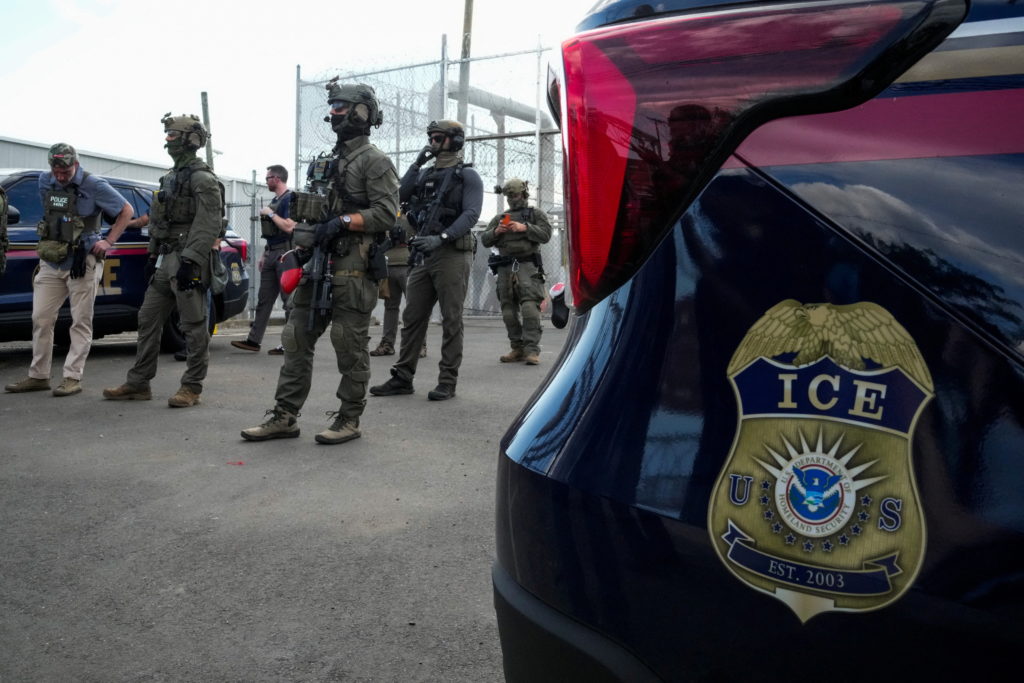
An Associated Press investigation has identified a significant shift in immigration enforcement practices affecting the families of active-duty U.S. military personnel. The analysis indicates that more than fifty parents and spouses of service members have been detained since President Donald Trump began his second term. This figure represents the first comprehensive accounting of such cases, which the federal government does not officially track. Among those detained, at least six individuals have been deported and one has self-deported, while eight immediate family members remain in federal immigration custody as of the latest reporting.
These enforcement actions mark a departure from longstanding bipartisan norms that generally protected military families from deportation. For decades, policymakers maintained a consensus that shielding spouses and parents of service members was essential for national security and troop welfare. The current administration’s approach appears to prioritize broader mass deportation goals over these traditional exemptions. Experts warn that this reversal could undermine military preparedness at a time when the United States is engaged in conflict in Iran. The uncertainty surrounding legal status has created a climate of anxiety within military communities.
The practical impact on service members is immediate and severe. Many troops are now facing emotional distress and logistical challenges as they lose key support systems. Some have been forced to take administrative leave to care for young children after their spouses were detained. Others report difficulty focusing on their duties due to worry about the safety and legal standing of their loved ones. The disruption extends beyond individual households, potentially affecting unit cohesion and deployment schedules.
One case involves Army Sgt. Hedar Leonel Turcios Juarez, stationed at Fort Bliss in Texas. His wife was detained outside a Walmart in July, an event witnessed by their six-year-old daughter. Sgt. Juarez expressed deep concern about how the situation affects his ability to concentrate on his military career. Similarly, Air Force Tech. Sgt. Wendy Gbeve has struggled with sleep deprivation since her father, Luis Alberto Ramirez Zavala, was detained during a routine interview with U.S. Citizenship and Immigration Services in Missouri. Despite having a pending application for legal status, Ramirez Zavala was transferred from a county jail to an ICE facility in Texas and subsequently deported to Mexico within two weeks.
The speed and opacity of these removals have left families feeling helpless. Sgt. Gbeve noted that immigration officials did not provide clear reasons for her father’s rapid deportation. Her father had spent most of his life working as a ranch hand in rural Illinois. His wife, a legal permanent resident of thirty years, is now considering returning to Mexico to reunite with him. This potential move would leave Sgt. Gbeve and her husband, who is also in the Air Force, without childcare for their two young children if both parents are deployed. She described this arrangement as their entire safety net.
Other service members have faced similar disruptions. Army Staff Sgt. Alexis Jaramillo, an aviation operations specialist with over a decade of service, was scheduled to train soldiers at Fort Polk in Louisiana. Instead, he is on administrative leave caring for his five-year-old stepson after his Brazilian wife, Maisa Lopes Eliaser, was detained during what the family believed was a routine USCIS appointment in Alabama. These incidents highlight how enforcement actions can directly interfere with military operations and personnel management.
The Department of Homeland Security has stated that it does not compile data on these specific cases. In response to inquiries about individual histories, the agency noted that some detainees had prior removals, existing removal orders, or criminal convictions related to driving under the influence or drug offenses. However, DHS did not provide detailed information for the majority of the cases identified by the AP. The agency emphasized that military service alone does not grant lawful immigration status or exempt individuals from violating U.S. immigration laws.
The Pentagon declined to comment on the findings. Meanwhile, a handful of high-profile detentions have sparked public backlash and prompted intervention from Homeland Security Secretary Markwayne Mullin to secure releases in some instances. The AP obtained its information by analyzing thousands of federal court records through Habeas Dockets, reviewing media coverage, and verifying details with attorneys and family members. Researchers suggest the actual number of affected families is likely higher than the fifty-two cases identified, given the lack of official tracking.
As the administration continues to roll back immigration protections for military families, the long-term effects on recruitment and retention remain unclear. The military continues to advertise immigration benefits for enlistees’ families, creating a contradiction between recruitment messaging and enforcement reality. Service members are left navigating a complex legal landscape where traditional safeguards appear eroded. The situation underscores a growing tension between immigration enforcement priorities and the operational needs of the armed forces.
Looking ahead, the lack of transparency from federal agencies makes it difficult to assess the full scope of the impact. Families continue to face uncertainty about their status and the potential for future detentions. Military leaders may need to address these issues more directly to maintain morale and readiness. The coming months will likely reveal whether this enforcement strategy leads to broader changes in military policy or if interventions will restore some level of protection for service members’ families.
Sources behind this briefing
Go to the original reporting
- PBS NewsHour↗AP Report: Trump's immigration crackdown has detained more than 50 military spouses and parents

