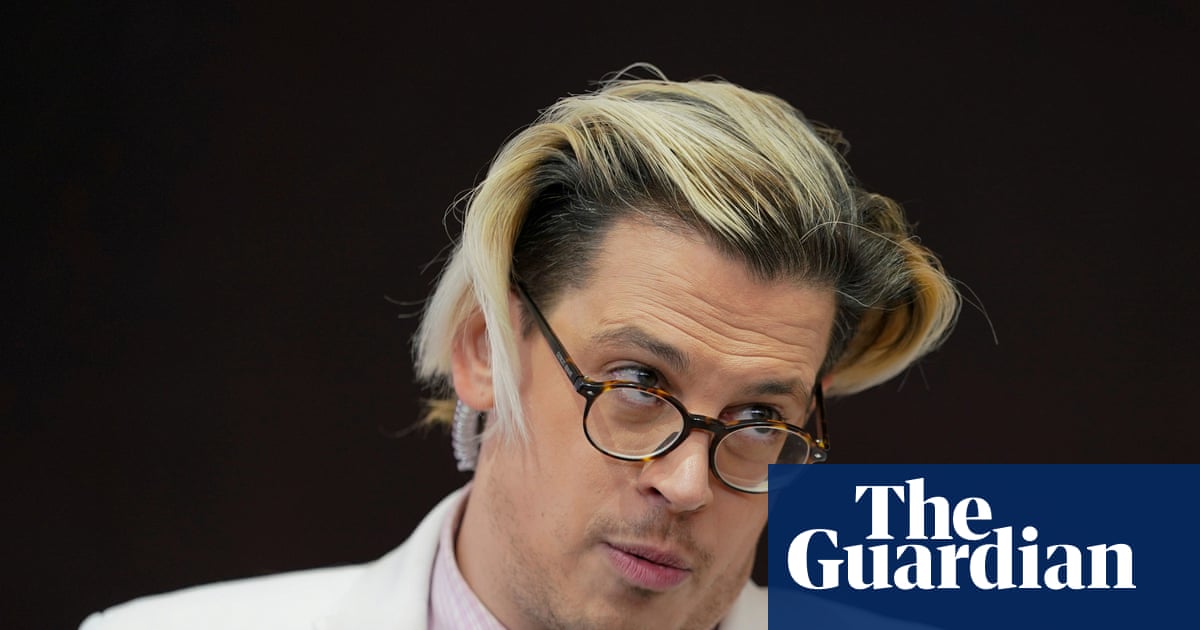
The short version
- Milo Yiannopoulos was deported to the UK after overstaying his visa, marking a sharp reversal from his previous role as a prominent Trump ally.
- Major right-wing media outlets like GB News and political groups such as Reform UK have distanced themselves from him, citing his controversial history and niche appeal.
- Yiannopoulos may find refuge in smaller, more fringe organizations like Restore Britain, which has accepted other figures deemed too radical for mainstream conservative platforms.
Milo Yiannopoulos, the former Breitbart News editor and prominent figure in the American alt-right movement, has returned to the United Kingdom following his deportation from the United States. The removal marks a significant shift in status for the 41-year-old commentator, who once held considerable influence within Donald Trump’s inner circle during the 2016 election cycle. US authorities confirmed that Yiannopoulos had legally entered the country in May 2019 but subsequently violated immigration laws by overstaying his visa. A Department of Homeland Security spokesperson stated that he chose to remain in violation of national laws, leading to his unceremonious exit from American soil.
Upon his return to Britain, Yiannopoulos appears to be encountering a cold reception from the very ecosystem he once helped shape. Despite his previous prominence, major right-wing media outlets and political entities in the UK are reportedly reluctant to embrace him. GB News, which has emerged as a leading broadcast platform for conservative voices in the country, has explicitly distanced itself from the former provocateur. A source associated with the channel indicated that they would not engage with him under any circumstances, noting that the network had already moved away from hosting individuals deemed too erratic or controversial during its early years.
The reluctance to reabsorb Yiannopoulos stems partly from his history of making statements that many in the British conservative sphere find untenable. He previously faced intense scrutiny and eventual departure from Breitbart News after a video surfaced in which he appeared to condone sexual relations with minors. Although he later attributed the controversy to sloppy editing and misunderstood British sarcasm, the incident left a lasting mark on his reputation. Industry insiders suggest that his brand of provocation appeals primarily to an American audience, limiting his commercial viability and relevance within the smaller UK market.
Political organizations aligned with the right are also keeping their distance. Reform UK, a significant player in the current British political landscape, is not expected to welcome Yiannopoulos into its ranks. Raheem Kassam, a former colleague of Yiannopoulos who maintains close ties with Reform leader Nigel Farage, confirmed that he was aware of the impending deportation. Kassam described receiving news of Yiannopoulos’s removal from Louisiana, highlighting the coordinated nature of events leading to his exit from the US. This distancing reflects a broader trend among mainstream conservative groups to avoid association with figures whose past controversies could damage their public image.
However, Yiannopoulos may still find opportunities within more fringe elements of the right-wing spectrum. Restore Britain, a political party led by Rupert Lowe, has been identified as a potential haven for individuals rejected by larger organizations. The group has previously accepted members and supporters who are considered too extreme for mainstream acceptance, including convicted criminal Stephen Yaxley-Lennon, also known as Tommy Robinson. Yiannopoulos has publicly praised Lowe and encouraged young British activists to support Restore, suggesting a strategic alignment with this smaller faction. Despite these overtures, Restore Britain has not officially confirmed whether it will accept Yiannopoulos as a member or adviser.
The dynamics of the UK right-wing media landscape have shifted significantly since Yiannopoulos left for the United States. Several other commentators who were once part of mainstream platforms have also been pushed to the margins due to controversies. Dan Wootton, for instance, was suspended from GB News after a guest on his program made inappropriate comments about a female journalist. Following his departure, Wootton established his own independent channel. Similarly, Mike Graham, a former TalkTV host, set up an independent show after being dismissed for failing to cooperate with an investigation into a racist post linked to his social media account. These cases illustrate a growing niche market for provocative voices who operate outside traditional media structures.
Yiannopoulos’s influence has waned considerably compared to his peak years in the US. He was once offered a speaking slot at the Conservative Political Action Conference in 2017, a testament to his standing within Republican circles at the time. More recently, he worked on Kanye West’s brief presidential campaign in 2022 and appeared to be involved with one of the rapper’s business ventures. His social media presence suggests continued engagement with far-right causes, but his ability to command large audiences or secure high-profile positions has diminished. The deportation serves as a stark reminder of his precarious legal status and reduced political capital.
Looking ahead, Yiannopoulos’s future in the UK remains uncertain. While he may struggle to regain a prominent position in mainstream media or major political parties, his history of creating niche brands suggests he could carve out a space within smaller, more radical groups. Raheem Kassam speculated that Yiannopoulos might resurface as an adviser to Rupert Lowe or appear on lesser-known television programs. Regardless of the path he chooses, his return to Britain underscores the complex and often contentious nature of right-wing politics in both the US and the UK, where boundaries between acceptable discourse and extremism are constantly negotiated.
The situation also highlights the role of individual actors in shaping immigration enforcement outcomes. Maga influencer Laura Loomer claimed responsibility for reporting Yiannopoulos to immigration authorities regarding his expired visa. This intervention underscores how personal grievances and political rivalries can influence legal processes, even at high levels. As Yiannopoulos navigates his new reality in the UK, the interplay between his past controversies, current political alignments, and future ambitions will likely continue to draw attention from both supporters and critics.
Ultimately, Yiannopoulos’s deportation and subsequent marginalization reflect broader trends in the global right-wing movement. As mainstream organizations seek to broaden their appeal and avoid controversy, figures associated with extreme views are increasingly pushed to the periphery. Whether Yiannopoulos can adapt to this new environment or continue to provoke remains to be seen, but his journey from Trump ally to deported outsider offers a compelling case study in the volatile nature of modern political activism.
Sources behind this briefing
Go to the original reporting
- The Guardian US↗‘Wouldn’t touch him with a barge pole’: Milo Yiannopoulos faces struggle to fit in with UK right wing

