The short version
- Cristy Maryori Villafranca-Trejo was deported to Honduras on Monday, becoming the seventh military spouse removed under current administration policies.
- Federal immigration authorities have detained over fifty immediate family members of active-duty troops since rolling back previous protections for military families.
- The soldier husband reports significant difficulty balancing his service obligations with single parenthood, questioning his ability to continue his career.
The deportation of an active-duty soldier’s wife to Honduras on Monday underscores a sharp departure from longstanding federal practices regarding the immigration status of military families. Cristy Maryori Villafranca-Trejo was removed from the United States, marking her as at least the seventh spouse or parent of a serving service member to face removal since Donald Trump resumed the presidency. This development follows a broader administrative shift that has dismantled previous safeguards designed to keep troops’ immediate relatives in the country while they serve.
Federal authorities confirmed the deportation, stating that Villafranca-Trejo had received due process. According to the Department of Homeland Security, she entered the United States in 2016 at age eighteen and was issued a final order of removal by an immigration judge in 2017 after failing to appear at a scheduled hearing. Her husband, Army Sergeant Hedar Leonel Turcios Juarez, contends that she never received notice for that hearing and remained unaware of the deportation order until the couple applied for her green card following their marriage in 2022.
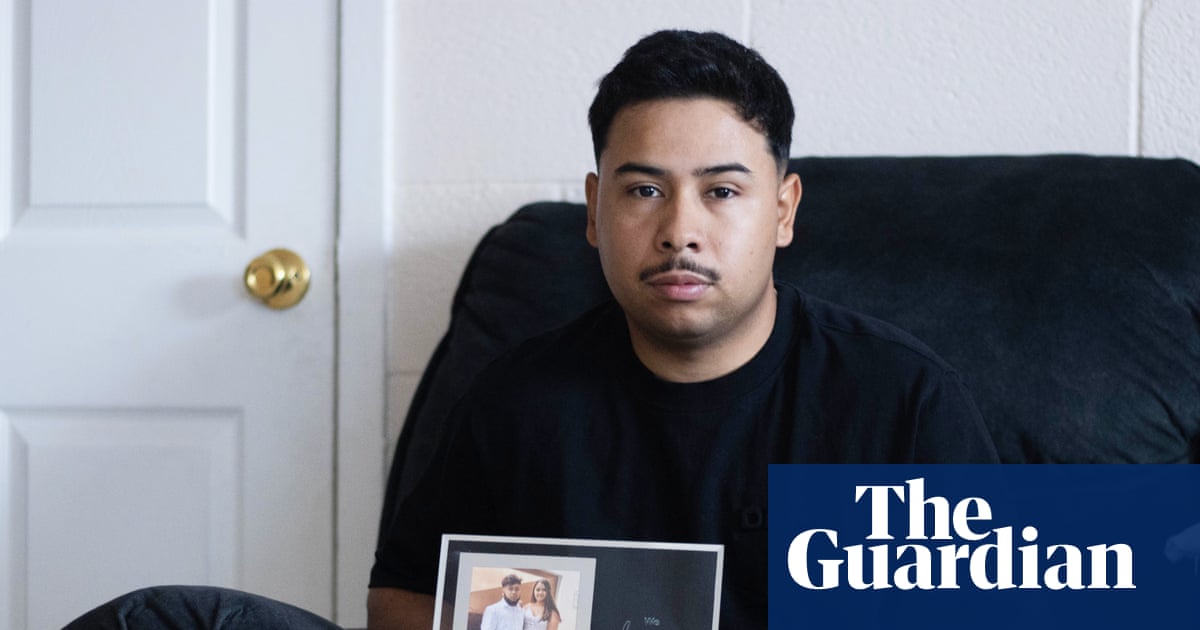
Turcios Juarez, who became a U.S. citizen in 2024 after enlisting two years prior, described the profound disruption caused by his wife’s detention on July 11 outside a Walmart near Fort Bliss, Texas. Since her arrest, he has been forced to manage his military duties while caring for their six-year-old daughter alone. He reported skipping morning training sessions to take his child to first grade and has already postponed a planned assignment to another base due to these caregiving demands.
The case illustrates the broader impact of policy changes on military personnel. An investigation by The Associated Press identified more than fifty instances where immediate family members of U.S. troops were placed in federal immigration detention after the administration rolled back protections for military families. In several cases, detainees were released only after media scrutiny and intervention from congressional leaders brought attention to their situations.
Legal experts note that prior to the current administration’s actions, Immigration and Customs Enforcement typically allowed immediate family members of U.S. troops to adjust their legal status even if they had final removal orders. Dan Gividen, who served as ICE deputy chief counsel from 2016 to 2019, stated that under previous guidelines, authorities would not detain or remove a spouse whose marriage provided a pathway to a green card for an active-duty member.
Villafranca-Trejo had been pursuing multiple legal avenues to remain in the United States. Her attorney indicated that a motion to reopen her case was denied last May, while an appeal before the Board of Immigration Appeals remained pending. Additionally, she had waited approximately one year for a decision on her application for military parole-in-place, a program that permits immediate family members of troops to stay in the country while applying for permanent residency.
Congressional representatives have responded with criticism and inquiries. Veronica Escobar, a Democratic congresswoman representing El Paso, announced an inquiry into Villafranca-Trejo’s case and visited her at the Camp East Montana detention facility in Texas earlier this month. Escobar expressed distress over the situation, describing it as a betrayal of the soldier who sacrifices for the country while his family is targeted rather than supported.
Turcios Juarez remains uncertain about his future in the military. He stated that he loves his work and intends to continue serving but struggles with the logistical and emotional burden of single parenthood. He has not yet determined how to explain his wife’s deportation to their daughter, highlighting the personal toll these policy shifts exact on service members and their households.
The incident raises questions about the long-term effects of removing protections for military families. While the administration maintains that due process was followed, advocates argue that the crackdown undermines the stability required for effective military service. The case continues to draw attention as lawmakers and legal experts assess the balance between immigration enforcement and national security interests.
As the appeal process remains unresolved and new cases emerge, the situation serves as a focal point for debates over executive authority in immigration matters. The removal of Villafranca-Trejo exemplifies the tangible consequences of policy reversals, affecting not only individual families but also the broader military community’s confidence in institutional support.
Sources behind this briefing
Go to the original reporting
- The Guardian US Politics↗Wife of US soldier deported after Trump rollback on military family protections