The short version
- Jason Reding Quiñones and John Eisenberg have resigned from their leadership roles at the Department of Justice following recent midterm election results.
- Quiñones had been leading a controversial investigation into whether former officials violated Trump's rights during post-2020 election inquiries, a case now viewed by allies as effectively concluded.
- Harmeet Dhillon also departed after tensions regarding her public defense of civil rights enforcement strategies and prior requests to leave the agency.
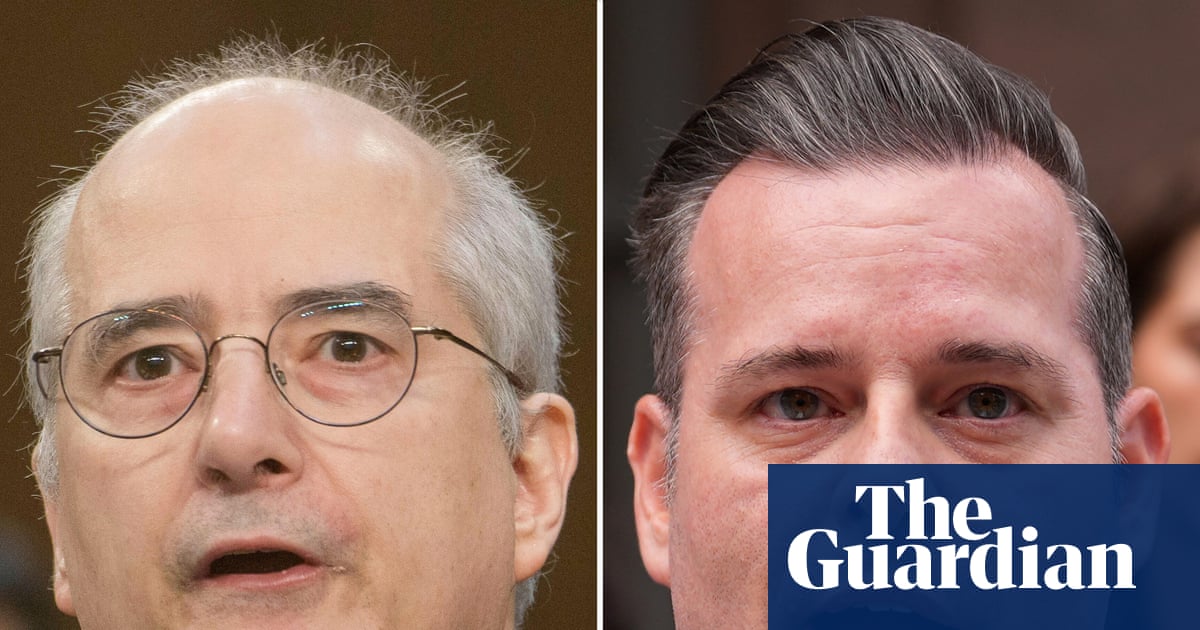
The Department of Justice is undergoing significant leadership changes as two high-ranking officials announced their departures on Friday, marking a shift in the agency’s direction following sweeping Democratic victories in the midterm elections. Jason Reding Quiñones, the US attorney for the southern district of Florida, and John Eisenberg, who headed the national security division, are both leaving their posts. These exits come as Democrats have pledged to leverage their new majorities in both chambers of Congress to conduct rigorous oversight of the justice department and other federal agencies.
Quiñones had been at the center of a highly publicized inquiry often referred to by conservative allies as the 'grand conspiracy' investigation. This probe examined whether former top government officials violated Donald Trump’s rights during investigations launched after the 2020 election. The case drew considerable attention from Trump supporters, who viewed it as a critical effort to hold figures such as former CIA director John Brennan accountable for alleged political persecution. However, the investigation faced internal personnel challenges and had not resulted in any filed charges prior to Quiñones’ departure.
The resignation of Quiñones appears to effectively halt this specific line of inquiry. Julie Kelly, a conservative commentator, stated on social media that the case is essentially dead now. While Attorney General Todd Blanche issued a statement thanking Quiñones for his leadership in combating violent crime, drug trafficking, sex trafficking, and transnational crime, including the indictment of Raúl Castro, the absence of filed charges suggests the momentum behind the probe has dissipated with his exit.
John Eisenberg’s departure removes another key figure from the department’s national security apparatus. Eisenberg, who previously served in the first Trump administration and acted as a top lawyer for the national security council, oversaw cases involving terrorism and espionage. Attorney General Blanche praised Eisenberg on social media, noting that he served with distinction and strengthened the nation’s ability to address both foreign and domestic threats. His exit signals a broader transition within the division responsible for handling sensitive national security matters.
Adding to the turnover, Harmeet Dhillon, the head of the civil rights division, announced her resignation on Thursday. Dhillon’s departure had been anticipated but was delayed by White House intervention. She initially sought to leave before the midterm elections, but Susie Wiles, the White House chief of staff, asked her to remain in her position until after Election Day. Dhillon confirmed that she submitted her resignation letter on October 13, prior to a widely watched interview on CBS News’ 60 Minutes.
Tensions surrounding Dhillon’s tenure escalated following her appearance on 60 Minutes, where she did not forcefully defend efforts to prosecute non-citizens or send monitors to polling places. Reports indicated that President Trump sought to dismiss her after the broadcast due to her stance on these issues. Despite the pressure, Dhillon maintained that her resignation was a pre-planned move, with earlier indications in August suggesting she intended to return to private practice upon leaving the department.
The timing of these departures underscores the political realignment within the federal government. With Democrats securing control of both the House and Senate, the justice department faces increased scrutiny from lawmakers eager to examine recent enforcement priorities and investigative decisions. The resignations of Quiñones, Eisenberg, and Dhillon remove key architects of the previous administration’s legal strategies, potentially opening the door for new leadership approaches and congressional inquiries into past actions.
As the department transitions, questions remain about how incoming officials will handle ongoing cases and whether the oversight promised by Democratic lawmakers will lead to substantive changes in policy. The lack of filed charges in the 'grand conspiracy' case suggests that some investigations may not survive the leadership change, while others could face renewed examination under new congressional scrutiny. The coming weeks will likely reveal the extent to which these personnel shifts impact the broader trajectory of federal law enforcement and national security priorities.
For now, the justice department stands at a crossroads, with its recent exits reflecting both internal dynamics and external political pressures. The departures highlight the fragility of certain investigative initiatives when leadership changes hands, particularly in politically charged environments. As new appointments are considered and oversight hearings begin, the focus will shift from the strategies of the past to the priorities that will define the department’s work in the immediate future.
The ripple effects of these resignations extend beyond individual cases, influencing how the public perceives the independence and direction of federal law enforcement. With key figures gone, the narrative around high-profile investigations may change, potentially altering the legal landscape for those previously targeted or protected by the department’s actions. The coming period will be critical in determining whether these changes lead to continuity or a decisive break from recent practices.
Sources behind this briefing
Go to the original reporting
- The Guardian US Politics↗Two more DoJ officials resign, including US attorney leading inquiry into Trump rivals