The short version
- Yellow weather warnings are in effect for much of southern England, eastern Wales, and most of Northern Ireland due to thick fog reducing visibility significantly.
- Transport networks face disruptions including flight delays at major airports and potential slowdowns on rail and bus services throughout the early week.
- Safety experts warn drivers against tailgating vehicles ahead, emphasizing the need for reduced speeds and increased following distances in low-visibility conditions.
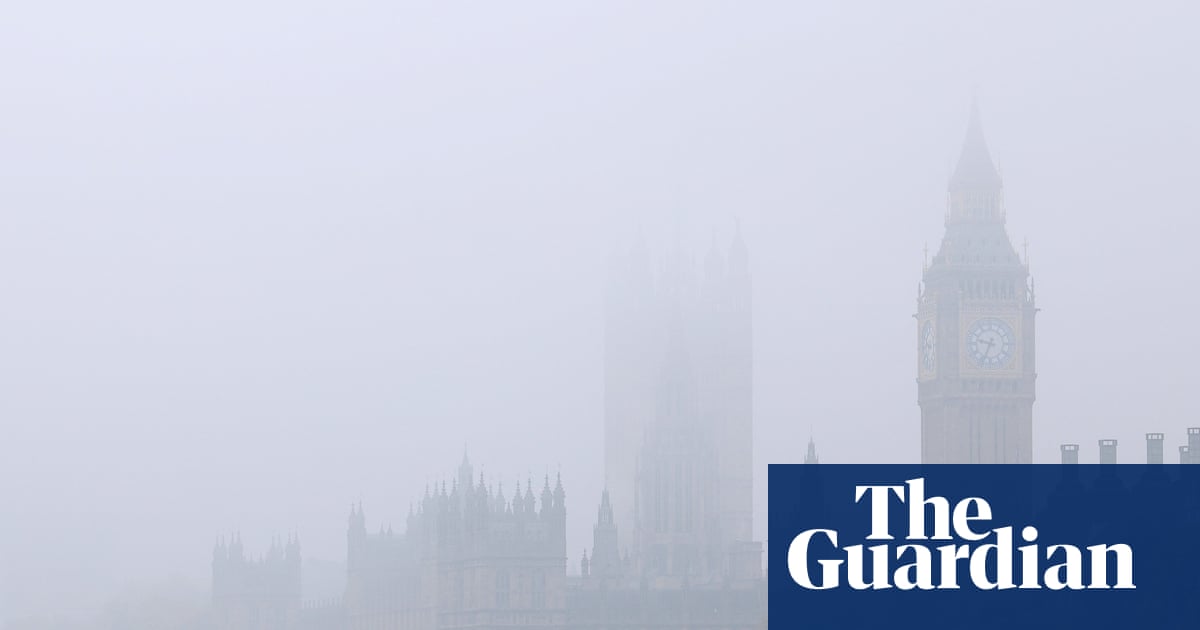
A significant weather event is unfolding across the United Kingdom as thick fog envelops large portions of southern England, eastern Wales, and Northern Ireland. Forecasters have issued yellow weather warnings, the lowest level on the scale, for Monday morning, signaling that visibility could drop to fifty meters or less in affected regions. This atmospheric phenomenon is expected to persist through the early part of the week, creating hazardous conditions for commuters and travelers alike.
The meteorological drivers behind this widespread mist are rooted in seasonal changes. Niamh Murray, an operational meteorologist with the Met Office, described current conditions as a perfect recipe for fog formation. As autumn transitions into winter, nights become longer, allowing temperatures to fall more substantially. This extended cooling period brings air temperatures closer to the saturation point required for fog to develop. Additionally, light winds and clear skies have contributed to the stability of these conditions, preventing the mist from dissipating quickly.
The geographic scope of the disruption is extensive but shifting. On Monday, the warnings cover most of England south of Manchester, excluding Devon and Cornwall, as well as eastern parts of Wales including Cardiff. Most of Northern Ireland is also under warning, with the exception of Belfast. By Tuesday, the affected area is projected to shrink and move, concentrating in the Midlands, Staffordshire, and Cheshire in western England before spreading eastward across Yorkshire, Lincolnshire, and East Anglia.
Transport infrastructure has already begun feeling the impact of these reduced visibility conditions. Heathrow Airport reported disruptions to flights on Monday morning due to overnight fog affecting roads surrounding the facility. Airport officials advised passengers to allow extra travel time and verify flight statuses with airlines before departing for the terminal. The advice underscores the unpredictability of road conditions, which can deteriorate rapidly even in familiar areas.
Road safety remains a primary concern as visibility plummets. A serious incident on Saturday evening highlighted the dangers of driving in such conditions. An accident involving thirty vehicles closed a major section of the M20 motorway in Kent between junctions eight and nine, near Maidstone. The crash resulted in two people suffering serious injuries, illustrating how quickly situations can escalate when drivers fail to adapt to limited sightlines.
Safety organizations are urging motorists to exercise extreme caution. Edmund King, president of the AA, emphasized that fog can transform a well-known route into a hazardous environment within minutes. He warned against the common mistake of following the rear lights of the vehicle ahead, noting that this practice provides a false sense of security. Drivers may find themselves too close to react safely if the car in front stops suddenly.
The recommendation from safety experts is clear: reduce speed and increase the distance between vehicles. King noted that there is no reward for arriving early, suggesting that travelers should prioritize safety over punctuality. Driving to what is actually visible ahead, rather than relying on assumptions or the behavior of other drivers, is critical in these conditions.
As the week progresses, the persistence of the fog depends on temperature fluctuations. If temperatures drop below zero degrees Celsius, the mist may prove stubborn and difficult to clear by the following day. Commuters should remain vigilant and prepared for potential delays on bus and train services, as well as possible flight cancellations, throughout the duration of the weather warning.
The situation serves as a reminder of the challenges posed by seasonal weather transitions in the UK. With longer nights and cooler temperatures creating ideal conditions for fog, authorities and travelers must coordinate to minimize risks. The coming days will test the resilience of transport networks and the adaptability of drivers facing reduced visibility across multiple regions.
Updates on the weather warnings and transport status are expected as conditions evolve. While the immediate threat is significant, the yellow warning level indicates that while disruption is likely, it is not expected to be catastrophic. However, the combination of low visibility and high traffic volumes necessitates heightened awareness from all road users.
Sources behind this briefing
Go to the original reporting
- The Guardian World↗Fog shrouding swathes of UK likely to disrupt transport early this week


