The short version
- Chuck Schumer has pledged that Democrats will not confirm any conservative nominees to the Supreme Court or lower federal courts following their midterm election victories.
- The Democratic majority plans to launch investigations into the Trump administration while pushing legislation to restore Medicaid funding and halt military expenditures in Iran.
- Republican leaders are attributing their electoral losses to economic concerns driven by tariffs and public frustration over the conflict in Iran, while President Trump focuses on domestic construction projects.
Following decisive midterm election victories that returned Democrats to control of both chambers of Congress, party leaders have outlined a clear strategy to check the executive branch’s power. Central to this plan is a firm commitment to block any conservative nominees to the federal judiciary. Chuck Schumer, who will serve as Senate majority leader when the new Congress convenes in January, stated unequivocally that Democrats would not confirm what he described as low-quality candidates to the Supreme Court, lower courts, or the presidential cabinet.
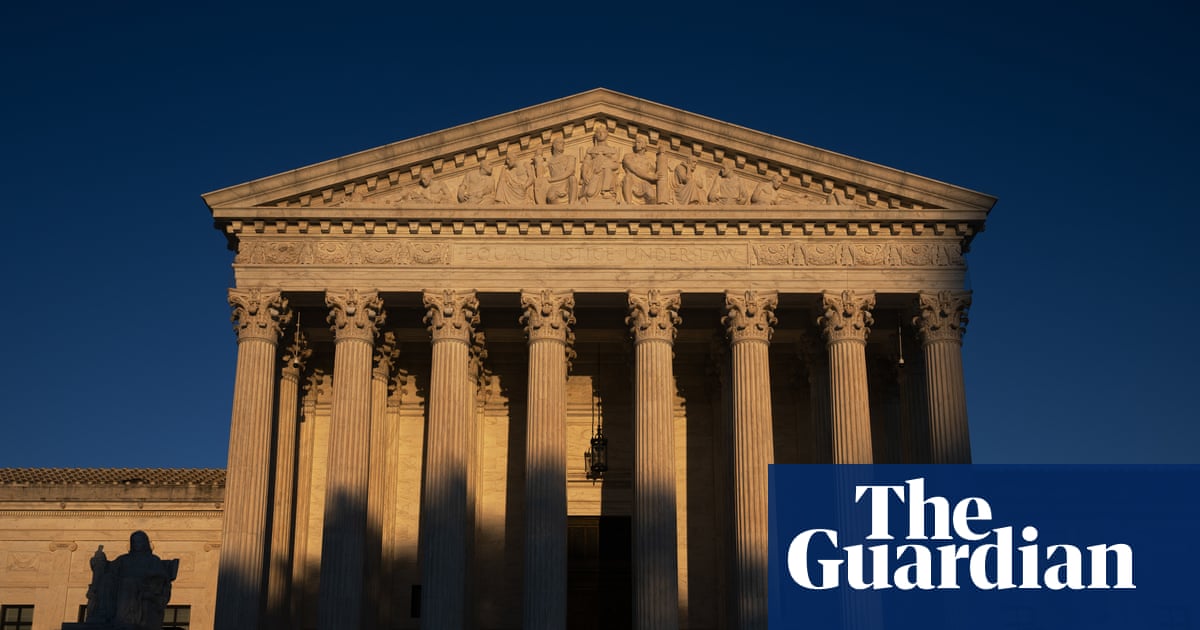
Schumer emphasized that the party intends to prevent the appointment of any right-wing justices to the nation’s highest court. This stance comes as four current Supreme Court justices are in their seventies, with Clarence Thomas and Samuel Alito being the oldest members at ages 78 and 76, respectively. While a Republican-controlled Senate remains in session for six more weeks, offering a theoretical window for a final appointment, neither Thomas nor Alito has signaled an intention to retire. Alito recently dismissed rumors of his departure, affirming his plan to remain on the bench for the duration of the current term regardless of the electoral outcome.
The Democratic pushback against judicial appointments is part of a broader effort to reverse policies enacted during President Trump’s second term. During his first presidency, Trump successfully nominated three justices—Neil Gorsuch, Brett Kavanaugh, and Amy Coney Barrett—which established a six-to-three conservative majority. This supermajority has frequently upheld administration actions, though it has not been absolute in its support. With Democrats securing at least 54 Senate seats and potentially up to 56 if pending races in Mississippi and Alaska conclude as projected, Schumer anticipates having sufficient leverage to reject nominees and obstruct other executive initiatives.
Beyond judicial appointments, the new Democratic majority is preparing to launch investigations into the Trump administration. Robert Garcia, who will chair the House Oversight Committee, has warned Republican officials to prepare for rigorous scrutiny. Concurrently, lawmakers are drafting legislation to address voter priorities, including measures to restore Medicaid cuts previously enacted under the “One Big Beautiful Bill” and to stop funding for military operations in Iran. President Trump has indicated he intends to veto bills that conflict with his agenda, setting the stage for significant legislative gridlock.
The electoral defeat has prompted intense introspection among Republican leaders, who are debating the causes of their loss. Vice President JD Vance acknowledged that the ongoing war in Iran generated widespread public frustration. Senator Ted Cruz pointed to tariffs as a driver of increased consumer costs, while Governor Ron DeSantis suggested that the party’s handling of issues related to the Epstein files damaged its reputation. These internal reflections highlight a fractured narrative within the GOP regarding the factors that led to their diminished congressional presence.
In contrast to the political turmoil surrounding his party’s losses, President Trump has focused his public appearances on personal and administrative projects in Washington, D.C. He recently held press conferences to showcase renovations to the Lincoln Memorial Reflecting Pool and the White House ballroom, both of which have faced criticism for their costs and controversies. Officials had previously attributed failures in the reflecting pool project to vandalism, but a Trump-appointed U.S. attorney later determined that poor workmanship was the actual cause. Trump spent considerable time detailing these construction efforts, addressing his party’s electoral setbacks only when directly questioned by reporters.
Trump also took steps to preserve his physical legacy within the White House, signing a proclamation designed to prevent future presidents from altering the design of his gilded Oval Office and Cabinet Room. He expressed a desire to ensure that no successor could dismantle or modify these spaces. However, his efforts to expand his footprint in the capital faced legal hurdles when a federal judge temporarily blocked construction on a planned triumphal arch for 14 days. This injunction came shortly after a commission largely composed of Trump loyalists had approved the project, illustrating the ongoing tensions between the executive branch and judicial oversight.
As the transition period unfolds, the balance of power in Washington is shifting dramatically. Democrats hold at least 253 seats in the House after flipping more than 40 districts, providing them with a substantial margin to advance their legislative agenda. The coming months will likely be defined by clashes over judicial confirmations, budgetary priorities, and oversight investigations. While Republicans grapple with the reasons for their defeat, Democrats are positioning themselves to wield their newfound authority aggressively, particularly in areas where they perceive the most significant ideological divergence from the current administration.
Sources behind this briefing
Go to the original reporting
- The Guardian World↗Trump will be blocked from putting ‘rightwinger’ on supreme court, Schumer says


