The short version
- Democratic candidates unseated incumbents in Texas, Georgia, and Ohio, breaking decades of Republican control in these states.
- The elections produced several historic firsts, including the nation's first Black female governor and first Latina governor of Texas.
- These state-level shifts may influence federal policy implementation and reshape the political landscape for the next presidential contest.
Voters across the United States delivered a significant rebuke to the Republican Party in Tuesday’s midterm elections, electing Democrats to lead several of the nation’s largest and most politically influential states. The results mark a dramatic departure from recent political trends, with Democratic candidates securing victories in traditional GOP strongholds such as Texas, Georgia, and Ohio. These wins represent a potential turning point for the party, which has not held a majority of governorships since the 2006 midterm cycle.
In Texas, state representative Gina Hinojosa achieved a stunning upset by defeating incumbent Republican Greg Abbott. Her victory makes her the first Latina to serve as governor of Texas and the first Democrat to hold the office in three decades. The win was widely viewed as unthinkable following Donald Trump’s 2024 presidential victory in the state, signaling a deepening fracture within the Republican base or a surge in Democratic mobilization.
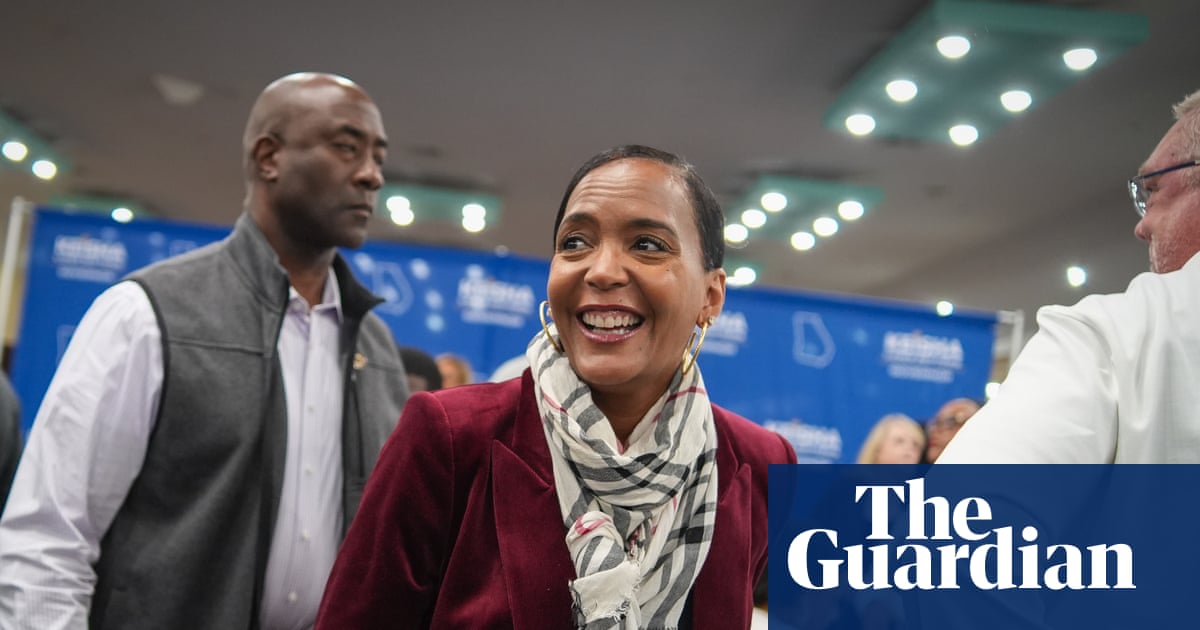
Georgia also saw a historic shift with the election of Keisha Lance Bottoms, the former mayor of Atlanta. Bottoms defeated billionaire Rick Jackson to become the first Black woman elected governor of any U.S. state. This victory ends more than two decades of continuous Republican control over the Georgia governor’s office and both chambers of the state legislature, further illustrating the changing political demographics in the Southeast.
Ohio, another reliably red state, elected Amy Acton as its first female governor and its first Democratic governor since 2006. Acton defeated Vivek Ramaswamy in a race that drew intense national scrutiny due to controversial campaign tactics. Ramaswamy’s team aired an advertisement featuring Acton’s estranged mother, who had lost custody of her children after allegations of sexual abuse by Acton’s father surfaced. The ad sharply criticized Acton but ultimately failed to prevent her victory.
Other notable upsets occurred in Iowa and Wisconsin. In Iowa, Democrat Rob Sand defeated Republican Zach Lahn, marking a significant step toward rebuilding Democratic standing in a state that has voted for Trump three times and seen GOP dominance in recent years. In Wisconsin, David Crowley became the state’s first Black governor after defeating Tom Tiffany. Crowley had previously withdrawn from the race but rejoined at the urging of outgoing Governor Tony Evers, overcoming a substantial fundraising deficit to secure the win.
Democrats also secured victories in several other key states. Josh Shapiro easily defeated Stacy Garrity in Pennsylvania, while Kathy Hochul won re-election in New York. Deb Haaland was elected governor of New Mexico, becoming the first Native American woman to win a governorship. In California, Xavier Becerra became the state’s first elected Latino governor. Meanwhile, in Florida, Republican Byron Donalds edged out former Republican-turned-Democrat David Jolly, becoming the state’s first Black governor.
These gubernatorial shifts carry significant implications for the balance of power between state and federal governments. Democratic governors have played a crucial role in challenging President Trump’s policies during his second term, often filing lawsuits or using executive actions to block initiatives they deem excessive. With control over election officials and voter rights legislation in many states, these new governors could further complicate Republican efforts to implement national agendas.
The midterm elections also serve as an early indicator of the political landscape heading into 2028. Many of the so-called swing states that determine presidential outcomes—including Michigan and Wisconsin—are among the 36 states holding gubernatorial races this year. The Democratic gains in these regions suggest a potential reset of the electoral map, which could influence campaign strategies and resource allocation for both parties.
While media attention has largely focused on congressional control, the impact of these gubernatorial wins should not be underestimated. Republicans have held a majority of governorships since 2010, making this Democratic sweep particularly striking. The results reflect broader dissatisfaction with Washington corruption, billionaire influence in politics, and Trump’s leadership style. As the new governors take office, their ability to resist federal overreach will likely define much of the political discourse in the coming years.
Looking ahead, the practical significance of these victories extends beyond symbolism. Democratic governors can shape policy on issues ranging from education to healthcare to environmental regulation, often setting precedents that influence national debates. Their success also bolsters morale within the party and provides a platform for emerging leaders who may run for higher office in future cycles. For now, the focus remains on how these new administrations will navigate their relationships with a Republican-led federal government.
Sources behind this briefing
Go to the original reporting
- The Guardian World↗Democrats aim to sweep most US governor elections after wins in key states


