The short version
- Renewable energy stocks rose sharply following Democratic gains in the House and Senate, reversing losses incurred during previous administration policies.
- Analysts suggest the new congressional balance protects tax credits for solar, wind, and battery storage from repeal efforts.
- The election outcome may stabilize financing conditions for offshore wind projects that faced regulatory delays and lease buyback pressures.
Financial markets responded immediately to the midterm election results with a significant rally in renewable energy stocks, reflecting investor relief over the shift in congressional power. The Democratic Party secured control of the House of Representatives and maintained its majority in the Senate, effectively ending Republican dominance that had characterized the previous legislative session. This political realignment has been interpreted by industry observers as a reprieve for clean energy developers who faced sustained regulatory pressure and hostile rhetoric from the White House during Donald Trump’s second term.
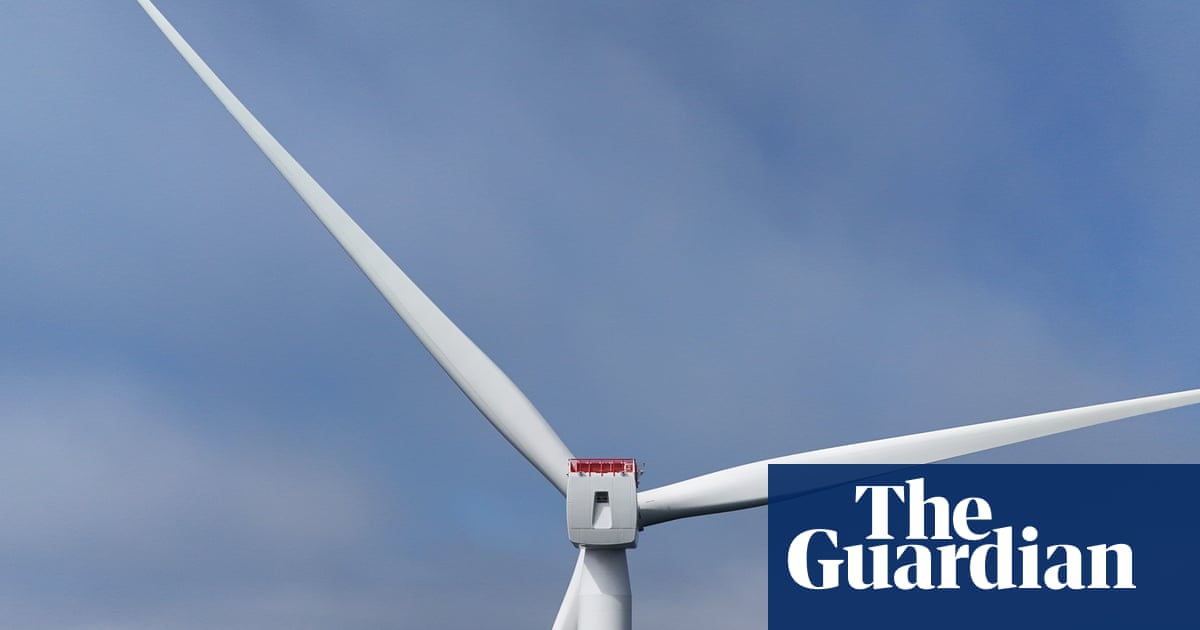
Ørsted, the Danish offshore wind developer with substantial investments along the US northeast coast, saw its market value jump nearly 10 percent within hours of the election confirmation before settling at a 5 percent gain. Other European firms active in the American market, including Portugal’s EDP Renewables and France’s Engie, also posted increases exceeding 3 percent, while Germany’s RWE added approximately 1 percent to its valuation. These gains represent a modest recovery for Ørsted, which had lost more than 70 percent of its market value since Trump returned to office in 2025, a period marked by aggressive opposition to wind energy projects.
The previous administration had issued multiple stop-orders against Ørsted’s Revolution Wind project, citing concerns over cost and aesthetics. Trump frequently characterized wind farms as inefficient and visually damaging, arguing that they harmed wildlife and disrupted local communities. This rhetorical campaign contributed to a chilling effect on the broader US renewables sector, which currently supports over 400,000 jobs and operates projects with a combined capacity of 388 gigawatts. Despite this scale, renewable sources accounted for only about 30 percent of US electricity generation this year, lagging behind the European Union’s 50 percent share and China’s 40 percent.
Market analysts indicate that the Democratic victory reduces the immediate risk of repealing existing tax credits for solar and wind energy. Claudio Galimberti, chief economist at Rystad Energy, noted that the new House majority would likely block efforts to eliminate these incentives, while also providing stronger defense for battery storage credits during budget negotiations. Additionally, the administration’s plan to buy back approximately $4 billion in offshore wind leases faces increased scrutiny under the new congressional leadership, potentially preserving long-term development timelines for several major projects.
Regulatory stability is expected to lower financing costs for new renewable energy initiatives. Tancrede Fulop, a senior equity analyst at Morningstar, suggested that while it is premature to declare a full turning point for offshore wind, the reduced threat of regulatory disruption provides a more predictable environment for companies managing ongoing projects. Barclays analysts added that decreased investor anxiety regarding political interference could improve confidence in future project returns, making capital more accessible and affordable for developers.
The election also reshaped the political landscape at the state level, with several traditionally Republican states flipping to Democratic control. Texas, Maine, Kansas, Ohio, Iowa, and both North and South Carolina saw shifts that may enhance support for clean energy investments in regions previously resistant to such policies. Brenda Shaffer of the Atlantic Council described the contest as an energy election, noting that rising concerns over electricity costs and the strain of AI data centers on power grids played a decisive role in Republican defeats.
Despite the political shift, challenges remain regarding the integration of renewable energy into a grid increasingly burdened by high-demand sectors. The rapid expansion of artificial intelligence data centers has raised questions about whether green targets can be met without relying on natural gas plants to ensure reliability. Jason Grumet, chief executive of the American Clean Power Association, emphasized that the election results underscored voter demand for affordable and reliable power, suggesting that future policy will need to balance environmental goals with economic realities.
While no binding national clean energy target exists in the United States, twenty-four states plus the District of Columbia have committed to achieving 100 percent clean electricity or net-zero carbon emissions between 2035 and 2050. The new congressional composition may provide a more supportive backdrop for these state-level initiatives, particularly for onshore projects and battery storage systems that are typically decided outside federal jurisdiction. Investors and developers alike are now looking toward the coming months to see how quickly legislative action can translate into tangible support for the industry.
Sources behind this briefing
Go to the original reporting
- The Guardian US Politics↗‘I never understood wind’: midterms spark hope for renewables after Trump’s hostility