The short version
- Democrats secured a broad victory in the 2026 midterm elections, signaling a rejection of MAGA politics.
- The new majority intends to reverse cuts to Medicaid and food stamps while restoring Affordable Care Act subsidies.
- Federal debt has reached $40 trillion, with interest payments exceeding national defense spending.
The 2026 midterm elections resulted in a significant shift in the balance of power, with Democrats securing a broad victory that analysts describe as a rejection of the MAGA brand of politics. This electoral outcome has ushered in a new crop of lawmakers who are already articulating an ambitious agenda focused on rebuilding the social safety net. Early indicators suggest this momentum could extend to the presidential election in two years, potentially creating a Democratic trifecta capable of enacting substantial policy changes without partisan gridlock.
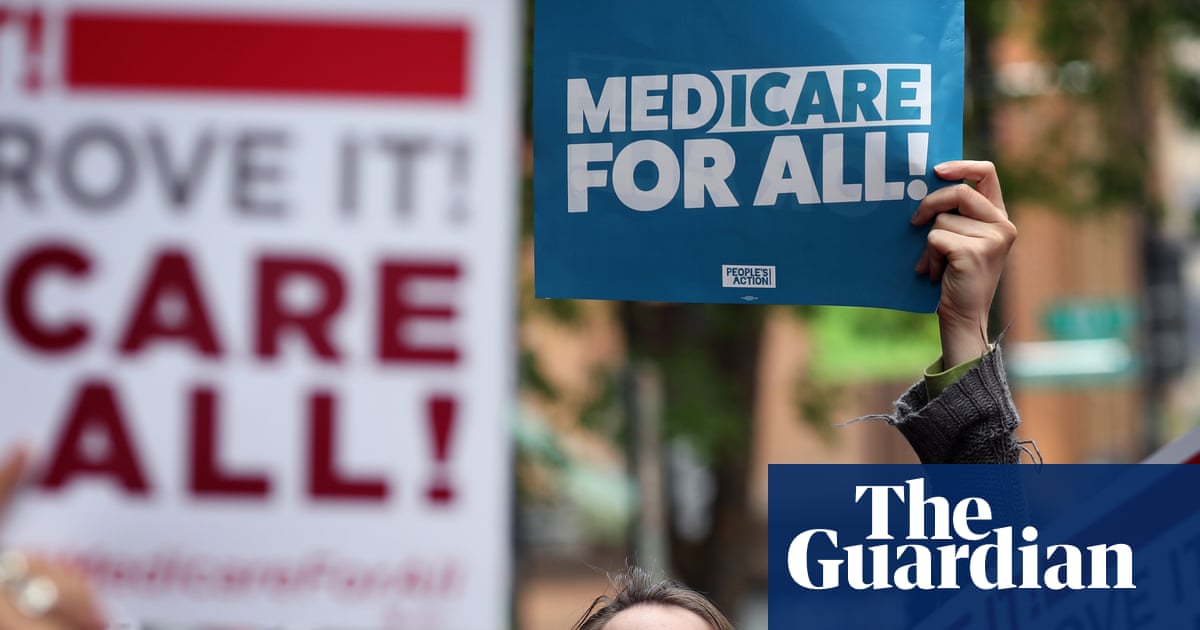
The legislative priorities emerging from this victory center on reversing recent austerity measures. Lawmakers are calling for support for programs benefiting children and parents, with some emphatically endorsing Medicare for All. Specific proposals include rolling back cuts to Medicaid and the Supplemental Nutrition Assistance Program (SNAP) that were implemented under former President Donald Trump’s One Big Beautiful Bill Act (OBBA). Additionally, there is a push to restore subsidies for health insurance plans under the Affordable Care Act, which Republicans allowed to expire.
However, these policy ambitions are colliding with severe fiscal constraints. The federal deficit is currently running at approximately 6.2% of GDP, and the national debt has surpassed $40 trillion, representing more than 120% of the nation’s gross domestic product. The cost of servicing this debt is substantial, with interest payments accounting for about 3.2% of GDP, or roughly $1 trillion annually. This figure exceeds the entire budget allocated for national defense.
The Congressional Budget Office projects that both debt and interest payments will continue to outpace economic growth over the coming decades. The severity of the current fiscal situation was highlighted in October, the first month of the 2027 fiscal year, when the deficit ballooned to $409 billion. This rapid accumulation of debt creates a challenging environment for new spending initiatives, regardless of their political popularity.
Estimates from the Center on Budget and Policy Priorities (CBPP) illustrate the scale of the financial challenge. Restoring health insurance subsidies under Obamacare from 2030 to 2039 is projected to cost $460 billion. Reversing the budget cuts to SNAP and Medicaid would require an additional $2.2 trillion over that same decade. Brendan Duke, CBPP’s senior director for Federal budget policy, noted that reversing these harms will be very expensive.
Beyond immediate program restoration, long-term structural issues loom large. The trust fund responsible for paying Social Security benefits is scheduled to run out of money in less than six years. This timeline coincides with the first term of the newly elected Democratic senators. By law, the depletion of the trust fund would trigger an automatic 22% cut in benefits, necessitating further legislative action and funding.
Complicating the fiscal outlook is the potential impact of artificial intelligence on the labor market. Experts warn that AI could displace millions of workers, placing additional strain on the social safety net. Historian Bruce Bartlett, who previously advised Ronald Reagan on budget policy, argues that the current state of federal finances is the result of a long-standing Republican strategy to cut taxes and constrain the budget.
As the new Congress begins its work, the tension between political ambition and fiscal reality will likely define the legislative agenda. While the electoral mandate suggests a desire for equitable prosperity and expanded social programs, the sheer magnitude of existing debt and interest obligations limits the available resources. Lawmakers must navigate these constraints while addressing immediate needs and long-term solvency issues.
The coming months will test whether the new majority can reconcile its policy goals with the harsh fiscal landscape. With no easy solutions for funding expanded social programs without increasing deficits or raising taxes, the path forward remains uncertain. The interplay between political priorities and economic constraints will shape the next phase of American governance.
Sources behind this briefing
Go to the original reporting
- The Guardian Business↗Democrats’ US election sweep brings the price of their promised social contract into focus
- Chatham House↗What will historic US midterm results mean for the future of Democrats and Republicans?
- Morgan Stanley↗Market Impacts of Midterm Results