The short version
- Democrats have won significant House and Senate majorities driven by voter anger over inflation, yet they lack the legislative power to override presidential vetoes or easily pass new spending measures.
- Key economic pressures including gas prices, healthcare costs, and immigration enforcement remain largely outside congressional control due to existing funding mechanisms and executive authority.
- The economy is currently sustained by a massive surge in artificial intelligence investment, raising concerns about a potential bubble that could trigger severe downturns with limited government capacity to intervene.
Voters delivered a decisive rebuke to the Trump administration through economic dissatisfaction, resulting in the most significant shift toward Democratic control of Congress since the Watergate era. This electoral upheaval has granted Democrats their largest House majority in nearly forty years and their strongest Senate advantage since 2008. However, the political victory masks a stark operational reality: the incoming leadership possesses limited capacity to address the very affordability crises that propelled them to power.
The core grievances driving this realignment involve rising costs for gasoline, groceries, housing, and healthcare. While Senate Majority Leader-elect Chuck Schumer and House Speaker-elect Hakeem Jeffries have pledged to restore economic stability, they face structural constraints that hinder immediate action. The affordability strains currently facing American households mirror those that benefited Trump two years prior, suggesting that these issues could rapidly become liabilities for the new majority if left unresolved.
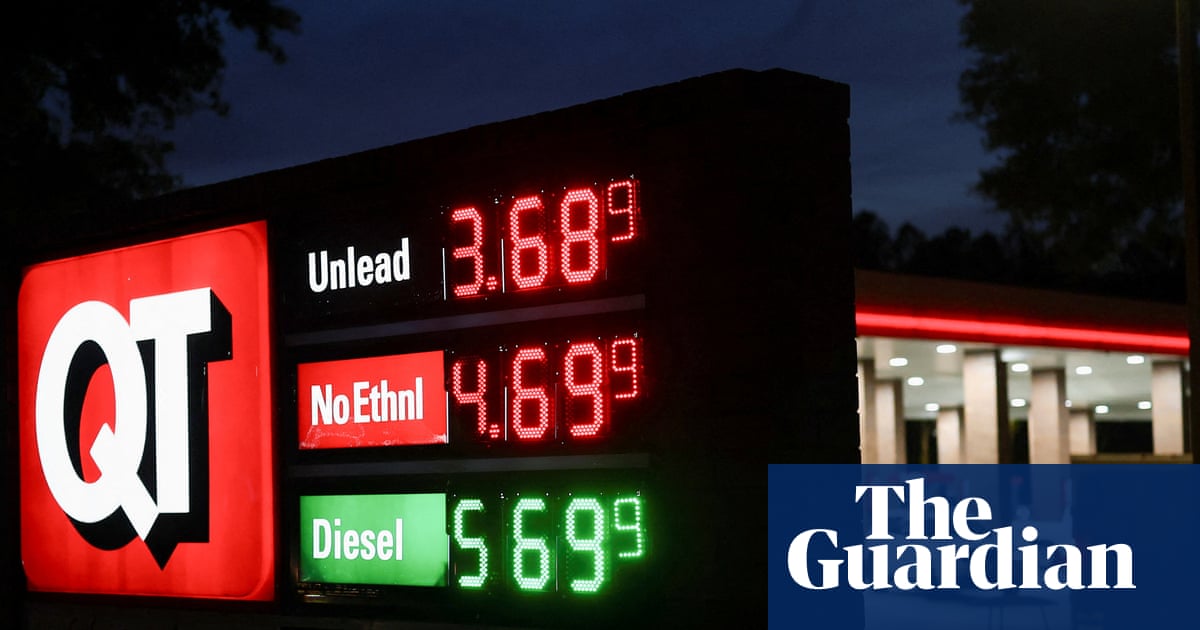
Addressing energy costs presents one of the most difficult challenges. Gas prices served as a primary motivator for voters rejecting Republican policies, yet lowering them requires diplomatic breakthroughs with Iran to reopen the Strait of Hormuz. While Schumer expressed confidence in ending related conflicts, the legal and political mechanisms to do so are fraught with uncertainty. Although Congress holds the constitutional power to end wars, Republicans have historically controlled the legislative branch during Trump’s military engagements, often bypassing formal approval processes.
Even if Democrats attempt to cut war funding, they lack the sixty Senate votes necessary to overcome a filibuster. This procedural hurdle extends to other policy areas as well. The administration’s trade policies, including tariffs previously struck down by the Supreme Court for exceeding presidential authority, have been reimposed under different statutory justifications. Similarly, immigration enforcement remains fully funded and operational, continuing to disrupt labor-dependent sectors like construction despite congressional opposition.
Fiscal constraints further limit legislative options. Restoring subsidies for Affordable Care Act insurance programs or reversing cuts to Medicaid and food assistance would require substantial new revenue. With the federal budget deficit already reaching six percent of gross domestic product, finding funds without exacerbating debt levels is nearly impossible. The national debt stands at approximately $40 trillion, while interest rates hover near twenty-year highs, leaving little room for expansive fiscal stimulus.
The broader economic landscape offers little natural relief. Current growth is heavily dependent on a frenzied boom in artificial intelligence investments. Wall Street analysts are increasingly skeptical that the massive capital outlays for data centers and model training will yield sufficient returns to justify the spending. The tech-heavy Nasdaq index has declined more than ten percent in the past month, signaling growing market anxiety.
Financial institutions report that AI-related firms have raised nearly $500 billion in debt during 2026 alone, with hyperscalers securing almost $200 billion in bond markets this year. This figure is roughly double the amount raised in all of 2025. If this investment bubble were to burst and funding dried up, the resulting economic contraction could surpass the severity of the 2008 Great Recession.
In such a scenario, the government’s ability to mitigate damage would be severely compromised by high debt levels and elevated interest rates. Economists note that current unemployment and inflation rates do not fully explain the depth of public pessimism, suggesting that underlying structural vulnerabilities are driving voter sentiment. As the lame-duck Trump administration pursues its final agenda, Democrats must navigate a complex environment where blocking harmful legislation is easier than enacting positive change.
The survival of Democratic political capital will depend on managing expectations amidst these constraints. While they can obstruct new legislative proposals from the White House, they cannot easily reverse existing policies or stimulate immediate economic relief. The coming years will test whether voters’ renewed trust in Democratic leadership can withstand the turbulence of an economy driven by speculative tech investments and constrained by fiscal realities.
Sources behind this briefing
Go to the original reporting
- The Guardian US Politics↗Trump may have lost but don’t bet Democrats can fix the economy