The short version
- Senator Bernie Sanders and several newly elected Democrats have renewed demands for an immediate national moratorium on datacenter construction.
- The Democratic midterm victory, partly driven by backlash against the tech industry, has increased pressure on companies to slow their multi-trillion-dollar infrastructure expansion.
- Tech executives and investors are expressing concern over potential regulatory hurdles, while White House officials maintain that existing projects will likely proceed.
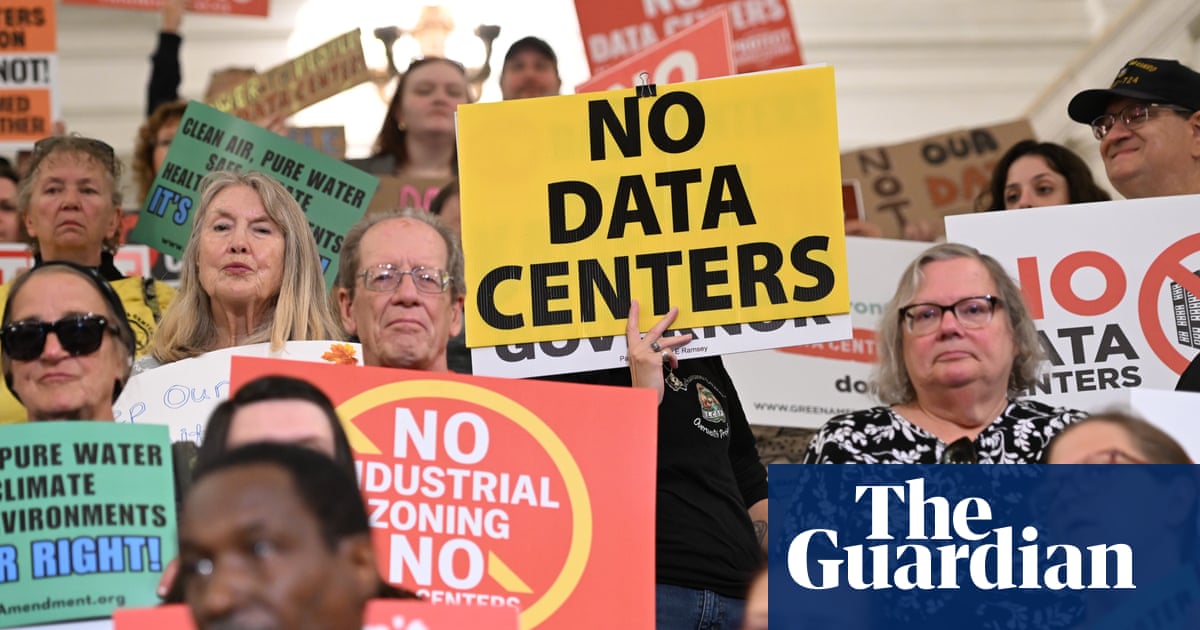
The landscape of American technology policy is shifting rapidly in the wake of the recent midterm elections, as a coalition of newly elected Democrats and long-time critics renew their demands for a pause on datacenter construction. This push comes against the backdrop of a sweeping Democratic victory that was significantly influenced by voter backlash against the rapid expansion of the tech industry. The political momentum now favors efforts to slow down the multi-trillion-dollar buildout of facilities designed to power artificial intelligence, marking a potential turning point in how these projects are regulated and permitted across the country.
Senator Bernie Sanders has emerged as a vocal leader in this movement, posting on social media platform X to call for an immediate national moratorium. He argued that Americans are opposed to large technology firms damaging the environment, eliminating jobs, and posing broader threats to humanity’s future. His stance was echoed by Representative Yassamin Ansari of Arizona, who emphasized the need for a pause on advanced AI development and stricter regulation of the industry. Ansari specifically highlighted the need to ban artificial superintelligence and regulate what she described as an out-of-control sector.
The tension between lawmakers and tech executives has become increasingly public and personal. In Arizona, where Elon Musk’s SpaceX has proposed a datacenter project spanning more than seven hundred acres, Representative Ansari engaged in a direct exchange with the billionaire on social media. After Musk mocked her call for regulation, she predicted congressional hearings would follow, telling him to expect their paths to cross soon. This public sparring illustrates the growing friction between elected officials who feel compelled to respond to constituent concerns and industry leaders who view regulatory delays as threats to innovation.
Opposition to datacenter expansion was one of the most visible issues during the midterm campaigns, with voters in numerous states passing local ballot measures aimed at restricting such projects. The outcome has alarmed tech investors and executives, who are now facing a more hostile political environment. Dina Powell McCormick, president of Meta Platforms, told the Wall Street Journal that building datacenters will be significantly harder following the election results. This sentiment was reflected in market movements, with a massive selloff of AI stocks occurring as investors worried about new regulations and potential pauses on construction.
Elon Musk, who spent nearly half a billion dollars backing Republican candidates and criticizing Democrats, responded to the election results with sarcasm. On election night, he posted that building datacenters in space was looking increasingly appealing, highlighting the industry’s frustration with terrestrial regulatory challenges. Despite this anxiety among tech leaders, White House National Economic Council director Kevin Hassett expressed confidence that construction would continue. He argued to CNBC that the ballot initiatives passed by voters largely would not affect projects that are already underway or approved.
Victorious Democratic candidates have made curbing the power of Big Tech a central theme in their victory speeches. In New Hampshire, Senator-elect Chris Pappas praised his constituents for opposing large data centers that they believe harm local communities. Similarly, New Mexico Congressman Gabe Vasquez declared that it is time to stop the AI billionaire class from forcing datacenters into neighborhoods without adequate consent or oversight. These statements reflect a broader political narrative that positions local control and community protection against corporate expansion.
Several newly elected officials have promised to return decision-making power over AI and data centers to local communities. Ohio Senator-elect Sherrod Brown emphasized this point by stating that he works for the people of Ohio, not for data center companies. This rhetoric resonates with voters who feel that their voices have been ignored in the rush to build infrastructure. The emphasis on local control suggests that future legislation may focus on empowering municipalities and states to set stricter standards for environmental impact and community engagement.
State-level actions are also contributing to the pressure on the tech industry. Newly elected governors in key states for datacenter construction, including Texas and Georgia, have called for moratoriums on new projects. Incoming Texas Governor Gina Hinojosa pledged to halt new datacenter developments until proper protections are established. She argued that Texans are being taken advantage of due to a lack of rules and laws designed to safeguard their interests. Her stance underscores the growing bipartisan concern about the pace and impact of AI infrastructure expansion.
As the new Congress prepares to convene, the debate over datacenters is likely to intensify. Lawmakers will need to balance the economic benefits of AI development with the environmental and social costs identified by constituents. The upcoming congressional hearings and potential legislative actions could set the tone for how the United States manages its technological future. Whether through federal regulation or state-level moratoriums, the political landscape suggests that the unchecked expansion of datacenters is no longer a foregone conclusion.
The intersection of technology, politics, and public opinion continues to evolve rapidly. While tech companies argue that delays could hinder innovation and economic growth, critics maintain that current practices are unsustainable and inequitable. The midterm results have provided a clear mandate for those seeking greater oversight, but the extent to which this will translate into concrete policy remains uncertain. As stakeholders navigate this new reality, the coming months will be critical in determining the future of AI infrastructure in America.
Sources behind this briefing
Go to the original reporting
- The Guardian US Politics↗Several Democrats renew calls for datacenter pauses after blue wave