The short version
- Thousands of security personnel have been deployed across Delhi to contain a second day of demonstrations led by the unregistered Cockroach Janta Party.
- Top movement leaders were arrested upon arrival in the capital but were subsequently released with conditions that they interpret as not barring peaceful assembly.
- The Supreme Court ordered the restoration of internet services and public transport, citing concerns over illegal detentions and disruptions to civil liberties.
A significant security presence has descended upon central Delhi for a second consecutive day, marking an escalation in tensions between state authorities and a youth-led protest movement. Thousands of police and paramilitary troops have barricaded major thoroughfares, effectively shutting down commercial activity in key districts including Connaught Place. The crackdown follows the initial detention of prominent activists on Saturday, when officers boarded a flight to arrest leaders upon their arrival in the capital. Despite these measures, demonstrators have returned to the streets, though they remain vastly outnumbered by security forces.
The movement, organized under the banner of the Cockroach Janta Party, is not registered as a formal political entity within India’s electoral framework. It was founded in May by Abhijeet Dipke following comments from the Chief Justice that compared unemployed young people to pests. The group has since pivoted its focus toward demanding electoral reforms and the resignation of Chief Election Commissioner Gyanesh Kumar. Activists allege that Kumar manipulated voter lists, a charge the Election Commission has firmly denied. These demands come months before critical state elections, adding political urgency to the demonstrations.
On Sunday, Dipke and two other senior figures, Saurav Das and Ashutosh Ranka, were released by a magistrate’s court. The release came with a specific condition prohibiting them from engaging in any breach of peace for one year. However, the leaders have publicly rejected the notion that this restriction limits their ability to protest. During a press conference, Ranka argued that peaceful assembly remains a constitutional right and that designated sites like Jantar Mantar are appropriate venues for such activities. He attributed potential breaches of peace to government officials rather than the protesters themselves.
The operational impact on Delhi has been severe. Authorities implemented a virtual lockdown, closing at least 45 metro stations and shutting down major railway hubs. Many travelers attempting to reach the city were deboarded en route. Internet services in central areas were curtailed for much of the day, complicating communication for both residents and demonstrators. Police detained thousands of individuals over the weekend, with media reports indicating that approximately 7,000 people were held and released on Saturday alone. Hundreds more faced detention on Sunday as small groups attempted to slip past barricades.
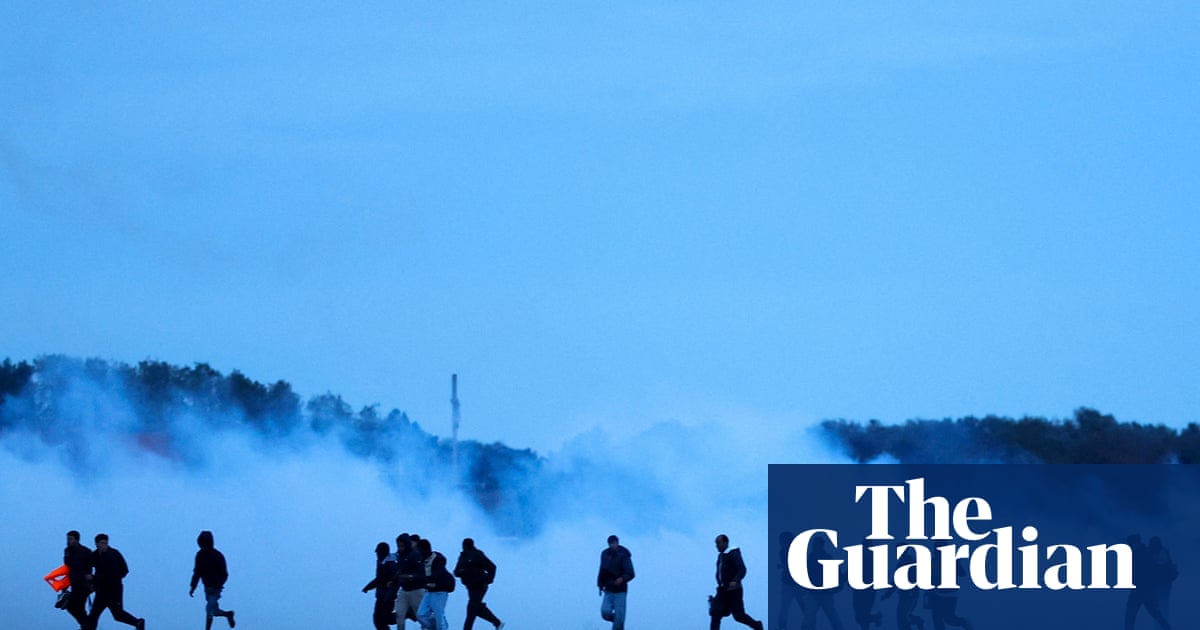
Visual accounts from the scene describe chaotic interactions between police and protesters. Individuals were seen being bundled into buses, some shouting demands for the election commissioner’s removal while others appeared distressed. In one notable incident, activist Neha Bora was chased by officers before being apprehended. The heavy-handed approach has drawn scrutiny, with observers noting that many detainees were dragged across roads or forced into vehicles without clear explanation. The atmosphere in commercial zones shifted from bustling activity to enforced stillness as shops and restaurants remained closed.
Legal challenges to the government’s actions have begun to take shape. The Indian Supreme Court held a special hearing on Sunday to address complaints regarding the shutdowns and mass detentions. The court issued directives ordering the government to restore internet connectivity and ensure that metro and rail services resume normal operations, provided there is no disturbance to public order. Justices emphasized that free movement must be permitted and warned against illegal detention practices. This judicial intervention signals growing concern over the proportionality of the state’s response.
Despite the release of its top leadership, the movement faces internal questions about momentum. Some participants expressed uncertainty about the direction of the campaign in the absence of their primary organizers on the ground. One protester admitted to feeling lost without the leaders’ immediate guidance but affirmed that the fight would continue. Dipke, after his release, posted messages criticizing Prime Minister Narendra Modi and announced plans to return to his village for a family funeral. His statements underscored a resolve to persist despite legal and physical obstacles.
The conflict highlights broader tensions surrounding youth unemployment and electoral integrity in India. While the government maintains that its actions are necessary to maintain public order, critics argue that the measures suppress legitimate dissent. The Supreme Court’s involvement suggests that the balance between security and civil liberties is under active judicial review. As the state elections approach, the outcome of this standoff could influence both the political landscape and the future of civic activism in the region.
Sources behind this briefing
Go to the original reporting
- BBC World↗Delhi sees more protests as freed 'cockroach' group's leaders vow to fight on