The short version
- Attorneys for Lindsay Clancy have filed motions requesting a judicial investigation into the conduct of Michael Desronvil, the only juror who opposed acquitting her of murder charges.
- The defense alleges potential misconduct including unauthorized cellphone use during deliberations and misrepresentations on pre-trial questionnaires, though no formal accusations of wrongdoing have been made against the juror.
- Legal teams are also urging the court to dismiss the case rather than retry it, arguing that the judge should have substituted an alternate juror instead of declaring a mistrial.
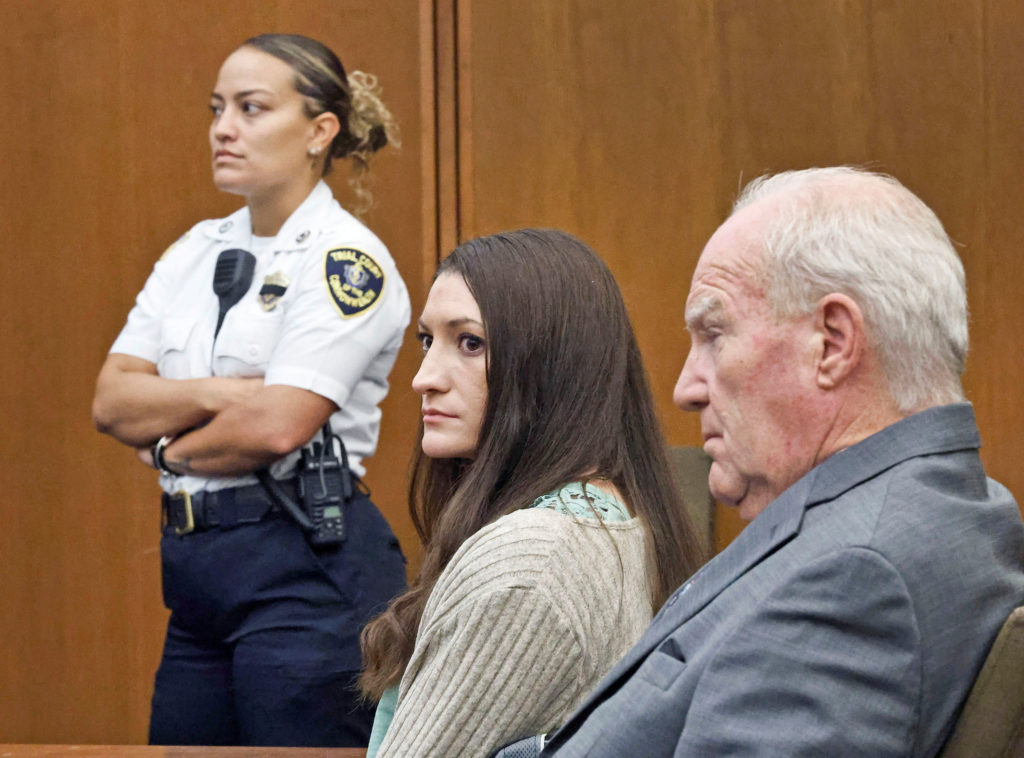
The legal battle over the deaths of three young children in Massachusetts has shifted focus from the courtroom verdict to the conduct of the jury itself. Attorneys for Lindsay Clancy have formally requested that a judge investigate Michael Desronvil, the single juror who refused to join eleven others in acquitting Clancy of murder charges. The motion, made public recently, seeks to scrutinize whether Desronvil violated state laws prohibiting cellphone use during deliberations and whether he provided truthful answers on pre-trial questionnaires regarding his biases and background.
The request for an investigation stems from allegations that Desronvil used a mobile device while the jury was sequestered. Defense lawyer Kevin Reddington has asked the court to obtain records of any calls or texts sent by Desronvil between 8 a.m. and 4:30 p.m. on each day of deliberation. In Massachusetts, jurors are strictly forbidden from using phones during this period. The defense argues that such contact could have influenced his stance or compromised the integrity of the proceedings, warranting a closer look at his behavior behind closed doors.
Beyond potential phone violations, the defense is challenging Desronvil’s honesty during the jury selection process. Lawyers want the court to question him about discrepancies in his responses to prospective juror questionnaires and his testimony before the judge just prior to the trial’s conclusion. While Desronvil has not been accused of any specific legal wrongdoing related to his service, other jurors reportedly complained about his rigidity. They described him as inflexible in his belief that Clancy was guilty, despite the majority of the panel concluding she suffered from postpartum psychosis at the time of the killings.
Desronvil has publicly defended his position through statements released by his attorney, Edward Paltzik. He asserted that he held no reasonable doubt regarding Clancy’s culpability, contradicting earlier claims by the jury foreperson that Desronvil admitted to having doubts but voted to convict anyway. Desronvil stated that he felt the physical evidence and witness testimony presented by prosecutors were sufficient to prove Clancy knew what she was doing when she strangled her children. He characterized his efforts to explain these theories during deliberations as being repeatedly cut off by other jurors who assumed he lacked conviction in the evidence.
The case has drawn intense public scrutiny, with Desronvil becoming a polarizing figure online and in media reports. His personal history, including a previously dismissed domestic violence charge from 2021, an active restraining order at the time of jury selection, and financial troubles involving unpaid rent, has been widely circulated. Supporters have rallied around him, raising nearly $375,000 to cover costs related to security, legal fees, and lost wages. Conversely, critics point to these personal issues as potential indicators of bias or instability that may have affected his judgment during the trial.
In addition to seeking an investigation into Desronvil’s conduct, Clancy’s legal team is pursuing a more drastic remedy: the dismissal of the criminal case entirely. Lawyer Martin Weinberg filed a separate motion arguing that the judge erred in declaring a mistrial on September 4. Weinberg contends that the court had viable alternatives, such as replacing the holdout juror with an alternate, after the foreperson reported that one member was refusing to adhere to the legal standard of reasonable doubt. This argument challenges the procedural decision that led to the current stalemate.
The defense is also arguing on substantive grounds that a retrial should not occur. Reddington has filed motions asserting that prosecutors failed to meet their burden of proof under Massachusetts law. The state was required to demonstrate either that Clancy did not have a mental disease or defect, or that despite such a condition, she retained the capacity to understand her actions. The defense maintains that neither element was sufficiently proven, suggesting that the evidence does not support a second attempt at conviction.
Prosecutors in Plymouth County have remained silent regarding these new developments. A spokesperson for District Attorney Timothy Cruz declined to comment on the motions or indicate whether the state plans to retry Clancy. She remains charged with murder and is currently held in a psychiatric hospital while her legal status is unresolved. The next scheduled hearing, set for late September, will likely address these competing requests, determining whether the case proceeds, ends, or triggers an inquiry into the juror’s conduct.
The situation highlights the complexities of high-profile criminal trials where mental health defenses intersect with public opinion and procedural strictures. As the legal team pushes for dismissal and investigation, the outcome hinges on judicial interpretation of both the evidence presented at trial and the propriety of the jury’s deliberation process. The court’s response will clarify whether the mistrial stands as a final resolution or if further legal maneuvers are warranted to address concerns about fairness and due process.
For now, the case remains in limbo, with Clancy’s fate dependent on how the judge weighs the defense’s allegations against the lack of formal accusations against Desronvil. The intersection of personal scrutiny, procedural debate, and substantive legal arguments creates a multifaceted challenge for the court. All parties await the next hearing to see if the investigation into the juror’s conduct will proceed or if the case will be dismissed, bringing an end to the prolonged legal uncertainty.
Sources behind this briefing
Go to the original reporting
- PBS NewsHour↗Lindsay Clancy's attorney asks judge to investigate the lone juror who wanted to convict her
- The Guardian World↗Lindsay Clancy’s defense laywer asks judge to investigate lone juror

