The short version
- Secretary of Defense Pete Hegseth signed a memorandum allowing a seven-month temporary loan of the Active Denial System to the Department of Homeland Security.
- The technology emits millimeter waves that create an intense burning sensation on the skin, intended to cause reflexive movement without physical injury.
- While Customs and Border Protection states it is evaluating new technologies to enhance security and save lives, specific operational plans for the device remain unclear.
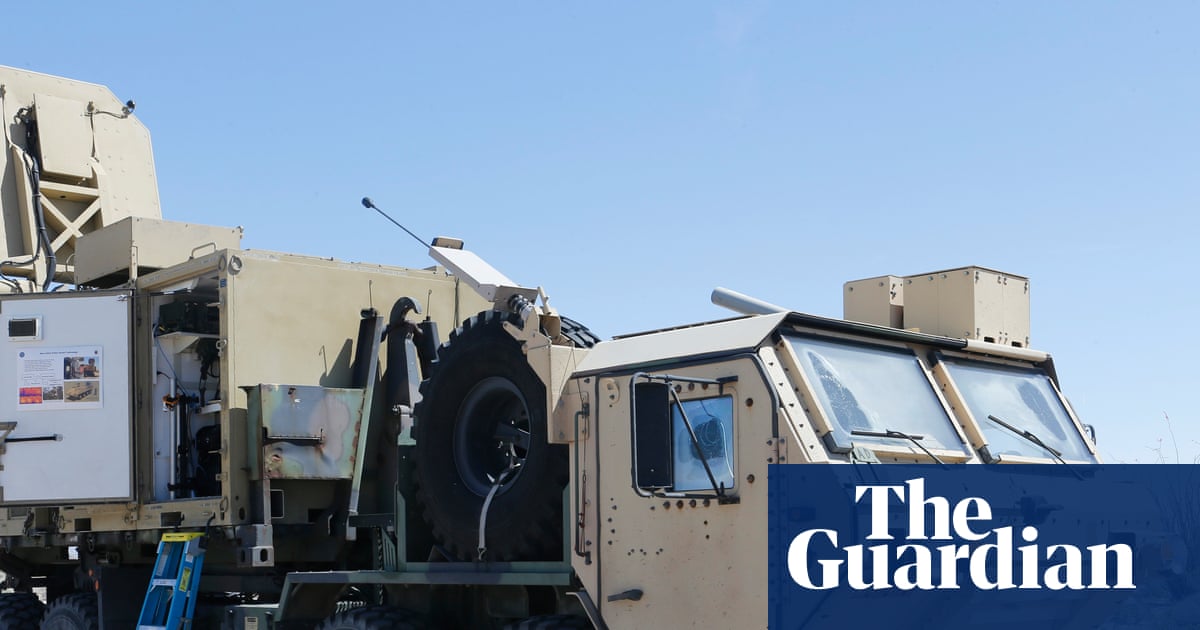
The United States Department of Defense has formally authorized the Department of Homeland Security to test a non-lethal weapon system at the southern border. Secretary of Defense Pete Hegseth signed a memorandum last month permitting a temporary loan of the Active Denial System, a military-grade device designed to deter movement through sensory discomfort rather than physical force. The agreement allows for an initial seven-month trial period beginning in September, with provisions for DHS to request extended access if operational needs dictate.
The Active Denial System operates by emitting an invisible beam of 95 gigahertz millimeter waves. Unlike infrared heat sources, these waves penetrate approximately one-sixty-fourth of an inch into the skin, generating a sensation described as intense heat on the surface. According to a 2009 case study from the National Defense University, this effect creates an intolerable feeling that triggers reflexive movements such as ducking or running away from the source. Pentagon officials have likened the experience to opening a hot oven door, noting that the sensation is temporary and typically subsides within ten to fifteen minutes after exposure ceases.
Despite its technical classification as a non-lethal deterrent, the system has a complex history of deployment attempts. The US military initially introduced the technology in Afghanistan nearly two decades ago but withdrew it without ever using it in combat scenarios. More recently, during the first Trump administration, officials explored using the device to prevent migrant crossings in 2018 and to manage protests in Washington DC following the killing of George Floyd in 2020. In both instances, the system was considered for deployment but never actually utilized.
The current authorization marks a significant shift in how federal agencies are permitted to handle border security tools. The memo explicitly states that DHS will bear sole responsibility for the employment, use, and development of tactics related to the system. Crucially, no Department of Defense personnel are authorized to operate the device during these trials. This separation of duties ensures that while the Pentagon provides the hardware, the agency tasked with border enforcement determines how and where it is applied.
Customs and Border Protection has offered a general statement regarding the initiative, emphasizing its ongoing evaluation of new technologies. A spokesperson noted that the agency prioritizes tools that can simultaneously enhance national security effectiveness and save lives. However, specific details regarding where the system will be tested or what exact scenarios it will address remain undisclosed. It is unclear whether DHS intends to use the device for crowd dispersal in areas with high volumes of illegal crossings or for other border management purposes.
Questions regarding the safety and legal compliance of the Active Denial System have persisted since its development. In 2012, the Marine Corps announced that the system met international legal obligations and expressed comfort with its safety profile. Nevertheless, the distinction between a non-lethal deterrent and a weapon capable of causing harm remains a subject of debate among human rights advocates and military ethicists. The technology’s ability to cause pain without leaving visible marks complicates assessments of its impact on vulnerable populations.
The decision to proceed with testing reflects broader efforts to modernize border security infrastructure. As migration patterns shift and enforcement challenges evolve, federal agencies are increasingly looking toward advanced technologies to manage flow and deter unauthorized entry. The Active Denial System represents one such innovation, offering a method of area denial that does not rely on physical barriers or kinetic force. Its potential deployment could signal a new phase in the technological arms race for border control.
Observers will be watching closely to see how DHS implements the system during the trial period. If the tests prove successful and safe, the department may seek permanent acquisition or extended use of the technology. Conversely, if concerns arise regarding efficacy or humanitarian impact, the program could face scrutiny or cancellation. The outcome of this seven-month window will likely influence future policies on non-lethal weapons in domestic security operations.
The Pentagon has deferred comments on the specifics of the arrangement to DHS, which in turn pointed to the general statement from Customs and Border Protection. This chain of referrals underscores the collaborative yet distinct roles each agency plays in border security. While the Defense Department provides the capability, the execution rests entirely with civilian authorities tasked with enforcing immigration laws.
As the trial period commences, stakeholders including legal experts, community organizations, and government officials will monitor the implementation closely. The success or failure of this initiative could set a precedent for the use of sensory-based deterrents in other contexts beyond the border. For now, the focus remains on whether the technology can deliver on its promise of effective, non-lethal crowd management without compromising safety or legal standards.
Sources behind this briefing
Go to the original reporting
- The Guardian US↗Pete Hegseth reportedly authorizes DHS to test ‘heat ray’ at US-Mexico border