The short version
- Death toll has risen significantly from early estimates, with over 350 confirmed killed and hundreds still missing.
- The disaster was triggered by an avalanche that caused flash floods, destroying infrastructure in Nepal and China.
- International aid is mobilizing, including a response from King Charles III, while rescue efforts face dangerous conditions.
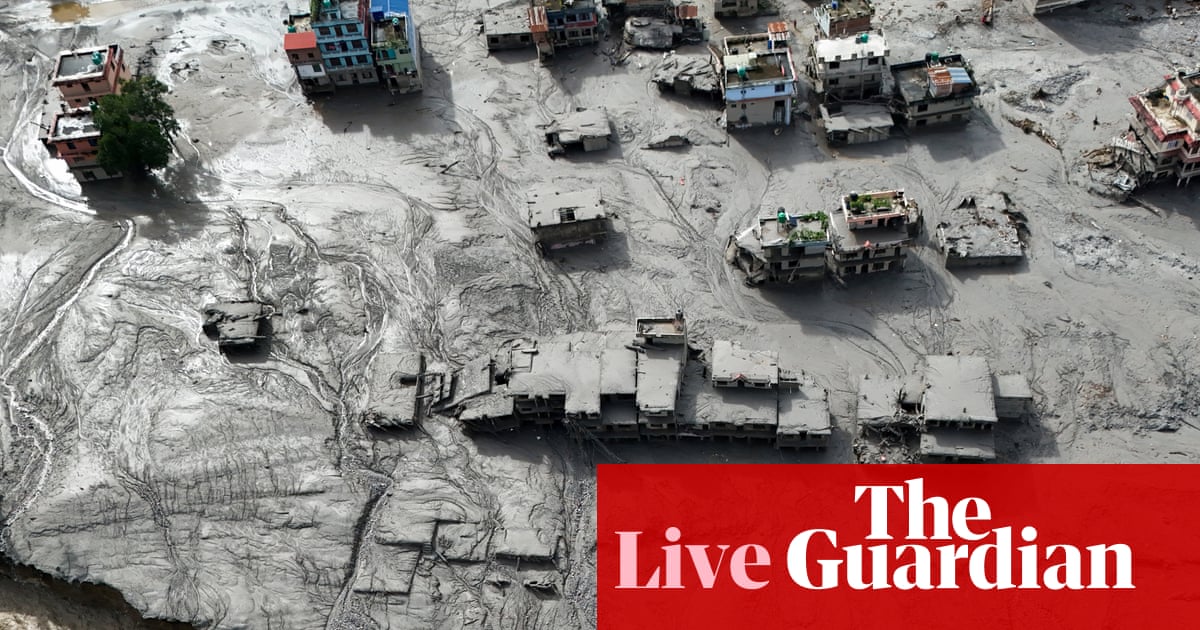
A catastrophic series of flash floods has struck the border region between Nepal and China, resulting in a rapidly escalating death toll and widespread destruction. What began as reports of isolated incidents has evolved into a major humanitarian crisis, with authorities confirming that more than 350 people have been killed. Hundreds more remain missing as rescue teams struggle to access areas where roads and buildings have been swept away by the sudden surge of water.
The disaster was triggered by an avalanche in the Himalayas, which destabilized glacial lakes and sent torrents of water down mountain valleys. Early reports from NPR indicated eight dead and hundreds missing within hours of the event, but subsequent updates from PBS and CBS News reveal a far graver situation. The flooding has not been contained to one side of the border; it has devastated communities in both Nepal and China, complicating international coordination efforts.
The scale of the loss is particularly acute among foreign nationals. CBS News reports that 65 Americans are listed among the hundreds of people still missing. This has prompted urgent inquiries from families abroad and increased pressure on diplomatic channels to facilitate search and rescue operations. The uncertainty surrounding the whereabouts of these individuals adds a layer of complexity to an already chaotic scene.
Infrastructure damage is severe, with critical transportation links severed by the floodwaters. PBS notes that roads and buildings have been destroyed, hindering the movement of emergency personnel and supplies. The isolation of affected villages means that many survivors are cut off from medical care and basic necessities. The terrain, combined with the ongoing threat of rising lake water, poses significant dangers to rescue workers attempting to reach stranded populations.
International attention has focused on the humanitarian impact of the disaster. King Charles III issued a written message expressing profound sympathy for those who have lost loved ones. He acknowledged the strong ties many in the United Kingdom have with the region and extended thoughts to the families of police and Armed Forces personnel who died while performing rescue duties. The King emphasized that the UK stands ready to support those in need, reflecting the global concern over the crisis.
Relief organizations are mobilizing resources to address the immediate needs of survivors. UNICEF USA has highlighted the deadly nature of the flooding, indicating a focus on protecting vulnerable populations, particularly children. The agency’s involvement suggests that long-term recovery efforts will be necessary, as the destruction of homes and community infrastructure leaves many without shelter or support systems.
Despite the outpouring of international aid, significant challenges remain. The rising water levels from glacial lakes continue to pose a fresh danger, warning officials that the situation is not yet stable. Rescue teams must operate in hazardous conditions, balancing the urgency of saving lives with the risk of further accidents. The full extent of the damage may not be known for days or weeks as access improves.
The incident underscores the vulnerability of Himalayan communities to climate-related disasters. Avalanches and glacial lake outburst floods are becoming more frequent in the region, threatening livelihoods and safety. As relief efforts proceed, questions will arise about how to better prepare for such events and mitigate future risks. For now, the focus remains on locating the missing and providing aid to those displaced by the tragedy.
The coming days will be critical in determining the final toll and the effectiveness of the response. With hundreds still unaccounted for, families wait anxiously for news. The international community’s support is vital, but local resilience will play a key role in recovery. The disaster serves as a stark reminder of the power of nature and the fragility of life in high-altitude regions.
Sources behind this briefing
Go to the original reporting
- The Guardian World↗Nepal flash flood: more than 350 killed amid warning of fresh danger from rising lake water – latest updates
- NPR↗8 dead, hundreds missing as Nepal avalanche triggers flash floods
- unicef usa↗Deadly Flash Flooding Hits Nepal
- PBS↗At least 160 killed and hundreds missing after flash floods destroy roads and buildings in Nepal and China

