The short version
- Civil protection authorities report at least twelve fatalities and fifty-four burn injuries as wildfires intensify in Jijel, Bejaia, and Tizi Ouzou provinces.
- Government ministers have traveled to affected regions to assess evacuation efforts while residents seek shelter in public buildings due to thick smoke and advancing flames.
- The current crisis occurs against a backdrop of rapid regional warming, with North Africa experiencing some of the fastest temperature increases globally over recent decades.
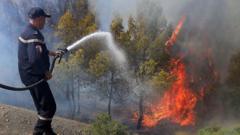
A severe wildfire emergency has unfolded across northern Algeria, resulting in at least twelve confirmed deaths and dozens of injuries as flames consume large areas of forest and farmland. Civil protection authorities reported that multiple blazes are sweeping through several provinces along the country's northern coastline, forcing widespread evacuations and straining emergency response resources. Interior Minister Said Sayoud announced on Wednesday night that fifty-four individuals had suffered burn injuries, with at least six requiring intensive care treatment. The minister detailed the distribution of fatalities, noting five deaths in Jijel province, four in Bejaia, and three in Tizi Ouzou.
In response to the escalating situation, Interior Minister Sayoud traveled to Bejaia alongside Health Minister Mohamed Seddik Ait Messaoudene to evaluate local firefighting operations and evacuation protocols. Government officials stated that the ministers aimed to assess the effectiveness of current measures as crews worked to contain the fires. Many homes in both Bejaia and Jijel have been evacuated, according to statements from the civil protection agency and reports from local media outlets. The urgency of the situation was underscored by footage shared by local broadcaster Jijel News, which showed residents taking refuge inside a post office as thick clouds of smoke enveloped the surrounding area.
As of Wednesday evening, firefighters were engaged in battling sixty-nine distinct blazes across the country, according to the civil protection agency. The scale of the current crisis echoes previous disasters in the region, particularly in Bejaia, where devastating fires tore through forests and agricultural land three years ago, killing thirty people. The recurrence of such intense fire activity highlights the persistent vulnerability of these coastal provinces to rapid-fire spread during peak summer months.
The current outbreak is part of a broader pattern of extreme fire activity in Algeria this year. Authorities recorded at least six deaths caused by fires last month alone, with crews battling more than two thousand blazes across the country throughout July. While forest fires are a regular occurrence in Algeria during the summer season, the intensity and severity of recent wildfires have increased significantly. This trend is attributed to climate change, which has exacerbated conditions favorable for rapid fire spread and difficult containment efforts.
Climate data supports the observation that North Africa is warming at an accelerated rate compared to other regions. The World Meteorological Organization reported that extreme heat has become common in North Africa, a subregion that has experienced the most rapid warming of all six African subregions between 1991 and 2025. Specifically, temperatures have risen by 0.43 degrees Celsius per decade during this period. This rapid warming contributes to drier vegetation and prolonged heatwaves, creating ideal conditions for wildfires to ignite and spread quickly.
The impact of rising temperatures extends beyond human casualties and property damage. A recent study revealed that increasing heat and water shortages have led to a rise in camel deaths during summer heatwaves in Algeria. These animals, traditionally well-adapted to arid environments, are struggling to cope with the extreme conditions brought on by climate change. This ecological stressor adds another layer of complexity to the region's response to environmental changes.
Tunisia and Algeria are particularly affected by the current severe heatwave sweeping through northern Africa. The combination of high temperatures, low humidity, and strong winds has created dangerous conditions for both residents and emergency responders. As firefighters continue to battle the sixty-nine active blazes, authorities remain focused on preventing further loss of life and property while managing the logistical challenges of evacuating affected communities.
The situation remains fluid as firefighting efforts continue into the night. Local media reports indicate that smoke continues to billow around residential areas, prompting ongoing safety concerns for those who have not yet been evacuated. The government's assessment mission in Bejaia aims to determine whether additional resources are needed to support local crews and ensure the safety of displaced residents. The coming days will be critical in determining whether the fires can be contained before they spread further into populated areas.
This crisis underscores the growing challenges faced by North African nations in adapting to a changing climate. With rapid warming trends projected to continue, the frequency and intensity of extreme weather events, including wildfires, are likely to increase. The current situation in Algeria serves as a stark reminder of the urgent need for improved disaster preparedness and long-term strategies to mitigate the impacts of climate change on vulnerable communities.
As the immediate emergency response continues, attention is turning toward the longer-term implications of these fires for local ecosystems and economies. The loss of forest cover and agricultural land can have lasting effects on biodiversity and food security in the region. Additionally, the health impacts of smoke inhalation and burn injuries pose significant challenges for healthcare systems already strained by other demands. The international community may need to consider support measures to help Algeria and its neighbors cope with these escalating environmental pressures.
Sources behind this briefing
Go to the original reporting
- BBC World↗At least 12 dead as wildfires sweep through northern Algeria

