The short version
- An explosion at a Moscow restaurant killed five people and injured nineteen, with Russian authorities blaming Ukraine for the incident.
- Separate attacks in southern Russia resulted in seven deaths on a Black Sea beach and four more in Crimea, according to regional officials.
- Speculation suggests a senior Russian military commander was the intended target of the Moscow blast, though Kyiv has not commented.
A series of violent incidents across Russia over the weekend has resulted in at least sixteen deaths, according to Russian officials who have attributed the attacks to Ukrainian operations. The events include an explosion at a restaurant in central Moscow and separate strikes on popular summer holiday destinations along the Black Sea coast and in Crimea. These incidents mark a significant escalation in visible violence within Russian territory during the ongoing conflict.
In Moscow, an improvised explosive device detonated near the entrance of an upscale Italian restaurant located in one of the city’s Stalin-era skyscrapers on Kudrinskaya Square. The blast occurred on Saturday evening and killed five people while injuring nineteen others. Russian prosecutors stated that an unidentified woman carrying the device was stopped by a security guard before it exploded moments later. The Russian foreign ministry accused Kyiv of orchestrating the attack, using inflammatory language to describe the incident as part of a broader terrorist campaign.
While official authorities have not confirmed the intended target of the Moscow bombing, reports from pro-Kremlin military bloggers and independent media outlets suggest the attack may have been aimed at Colonel General Alexander Chaiko. Chaiko is a high-ranking commander in Russia’s aerospace forces who previously led the failed assault on Kyiv in early 2022. He was reportedly attending a private banquet to celebrate his fifty-fifth birthday when the explosion occurred. Online images from the event showed signage referencing his age, lending credence to the speculation that he was present.
According to leaks published by the Telegram channel VChK-OGPU, Chaiko escaped the blast unharmed. However, the report claims that his daughter, Maria, was seriously injured and her husband, Daniil Peredriy, was killed while they were on the restaurant’s terrace. The newspaper Kommersant added further detail to the narrative, reporting that investigators believe the woman carrying the explosive device may have been unaware she was transporting a bomb. This suggests the device was detonated remotely by another individual, resulting in her death along with the other victims.
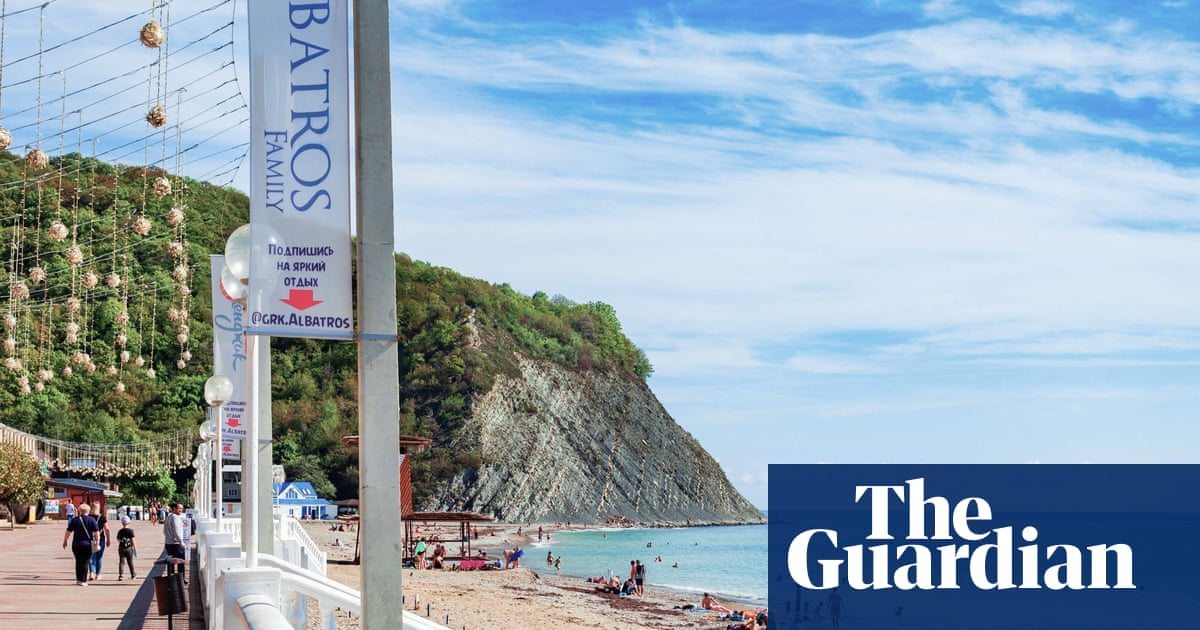
Simultaneously, violence erupted in southern Russia where Russian tourists frequently vacation during the summer months. In the seaside town of Arkhipo-Osipovka in the Krasnodar region, seven people died after what officials described as drone debris struck a busy beach. Among the deceased were three children. Videos verified by international news organizations showed tourists in the water and on the shore witnessing what appeared to be a drone slamming into the area. The crisis taskforce for the region confirmed the casualties on social media platforms.
Additional fatalities occurred in Crimea, which Russia illegally annexed in 2014. Sergey Aksyonov, the Moscow-installed governor of the peninsula, reported that four people were killed in a Ukrainian strike. Both the Black Sea coast and Crimea remain significant targets for Ukrainian operations due to their strategic importance and symbolic value as leisure areas for Russian citizens. The attacks underscore the reach of Ukrainian military capabilities into territories deep within Russia.
The conflict has now entered its fifth year, with both sides maintaining that they do not intentionally target civilians. Ukraine’s intelligence agencies have a documented history of targeting senior Russian military officers and officials accused of war crimes. These operations have utilized various tactics, including the use of willing saboteurs and unwitting civilians to carry out bombings. Previous successful operations have resulted in the deaths of several Russian generals and pro-war activists.
In response to the attacks on Russian soil, Russian forces launched a ninety-minute bombing campaign against residential districts in Zaporizhzhia, a southern Ukrainian city. Regional chief Ivan Fedorov reported that one person was killed and dozens were injured in the strike. Kyiv has not yet issued an official comment regarding the Moscow restaurant bombing or the other attacks. The lack of immediate attribution from Ukrainian officials leaves uncertainty surrounding their direct involvement, despite Russian accusations.
Sources behind this briefing
Go to the original reporting
- The Guardian World↗Ukrainian drone attacks on Black Sea resort and Crimea kill 11, Russia claims

