The short version
- A powerful magnitude 7.7 earthquake struck off the coast of Flores, killing at least 47 people and injuring over 100 others across several regencies in East Nusa Tenggara.
- Landslides have blocked major roads and isolated villages, complicating rescue operations and aid distribution despite the deployment of thousands of relief packages.
- Authorities issued a tsunami warning that was later lifted, but many residents remain displaced due to damaged homes and fear of strong aftershocks.
Rescue crews in eastern Indonesia are digging through collapsed buildings and landslide debris on Sunday, searching for survivors one day after a powerful earthquake killed at least 47 people. The magnitude 7.7 quake struck early Saturday morning, rattling the island of Flores and sending residents fleeing in panic. While the death toll stands at 47, officials warn that the number could rise as search teams access previously unreachable areas.
The disaster has caused widespread destruction across multiple regencies in East Nusa Tenggara province. The national disaster management agency reported that 24 people died in Manggarai regency and 17 in neighboring East Manggarai. Additional fatalities were recorded in Sikka, Ngada, and Ende regencies. More than 100 people have been injured, with some suffering serious trauma from collapsing structures.
The earthquake’s epicenter was located approximately 68 kilometers north-northwest of Ende, at a depth ranging between 10 and 15 kilometers according to different agencies. The tremors were felt across much of the island and extended to neighboring West Nusa Tenggara and parts of southern Sulawesi. In Maumere, the largest town on Flores, video footage showed concrete chunks breaking off a ferry terminal building, causing chaos among passengers waiting to board.
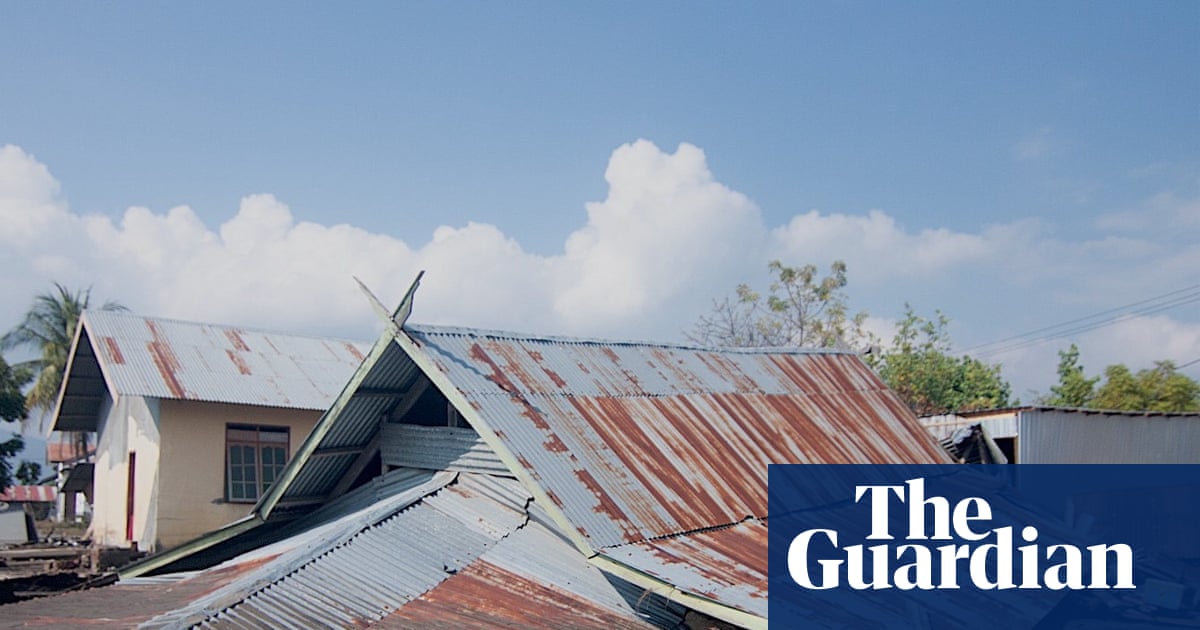
Infrastructure damage has been severe, with more than 900 homes destroyed and nearly 450 others damaged. Public facilities, including schools, health centers, and churches, have also suffered significant harm. Approximately 5,000 people have been forced into temporary shelters, while thousands more spent the night outdoors, fearing strong aftershocks that could bring down weakened structures.
Landslides triggered by the quake have blocked sections of the Trans-Flores Highway, a critical road linking communities across the mountainous island. These blockades have isolated remote villages, making it difficult for rescue teams to deliver aid and conduct searches. Authorities are working to clear debris and reopen roads, but communication disruptions and power outages continue to hamper efforts.
Relief workers have begun distributing essential supplies, including rice, ready-to-eat meals, drinking water, blankets, and medicine. Emergency shelters are being set up for displaced residents, and temporary medical tents have been assembled outside hospitals to treat victims. The national disaster management agency has sent 10,500 aid packages to base operations in the affected areas.
A tsunami warning was initially issued following the earthquake, leading some 2,000 people to self-evacuate from coastal areas. However, the warning was lifted around three hours after the initial jolt when no significant sea level rise was detected. Despite this, many residents remain cautious, with some choosing to stay inland or in makeshift shelters due to ongoing fears of aftershocks and structural instability.
Indonesia is prone to earthquakes and volcanic eruptions because of its location on the Pacific Ring of Fire, a horseshoe-shaped arc of seismic faults and volcanoes. Flores has experienced some of the country’s deadliest disasters, including a powerful earthquake and tsunami in 1992 that killed about 2,500 people. More recently, a magnitude 7.5 earthquake triggered a tsunami on Sulawesi in 2018, killing more than 4,400 people.
Governor Emanuel Melkiades Laka Lena stated that many victims were killed in their sleep by collapsing rubble. Others, like Arnold Welianto from Talibura village, were shaken out of their beds and managed to escape. He noted that many people had already fled into the hills because the sea had receded, a common precursor to tsunamis. The ongoing advice from authorities is for people to remain calm and stay away from coastal areas and structures showing signs of damage.
As rescue operations continue, the focus remains on searching the rubble of collapsed homes and other buildings for possible victims. Teams have resumed searches in areas that had remained inaccessible since the quake, particularly in Manggarai, East Manggarai, and Nagekeo regencies. The full scale of the disaster is still unclear, and it will take time to assess the extent of destruction in this remote and mountainous region.
Sources behind this briefing
Go to the original reporting
- The Guardian World↗Rescue teams search for survivors in Indonesia after powerful earthquake
- BBC World↗Rescuers search for survivors of powerful Indonesia earthquake

