The short version
- Intense combat in western Taiz and southern Hodeidah has resulted in significant casualties among military personnel and civilians since the collapse of a previous truce.
- Rebel forces are attempting to seize strategic high ground near the Bab al-Mandeb strait, a vital maritime chokepoint for international trade and energy exports.
- The escalation threatens to exacerbate existing global supply chain disruptions caused by earlier closures in the Strait of Hormuz.
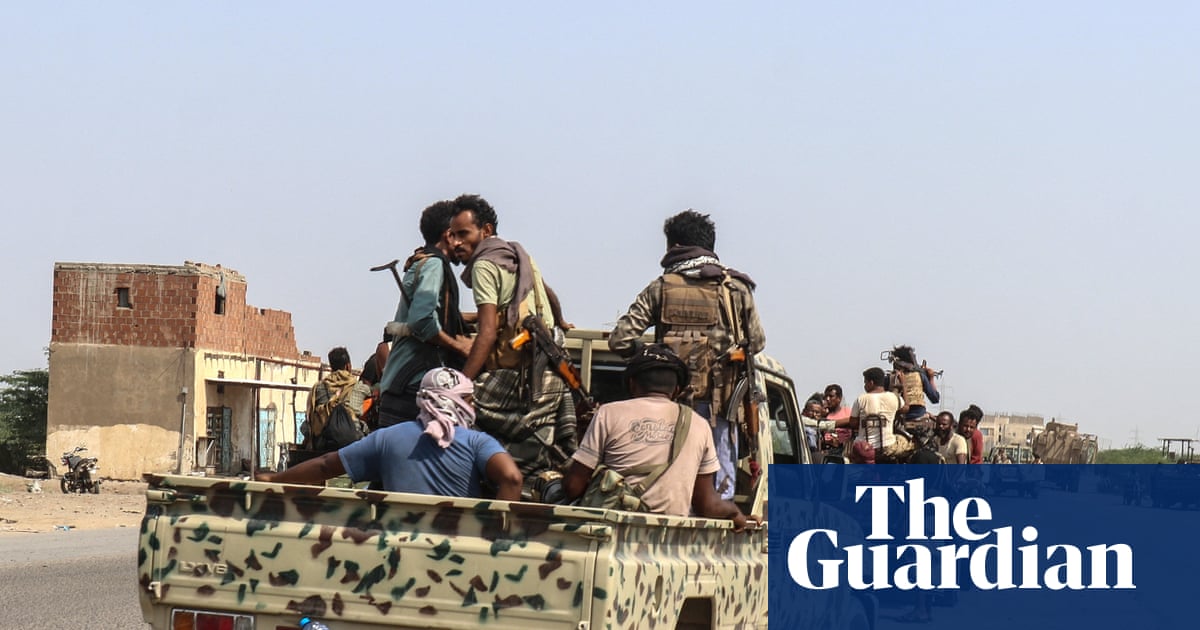
Violence has surged along Yemen’s western coastline as Houthi rebels launched a renewed military offensive against government forces backed by Saudi Arabia. The clashes, which represent some of the deadliest encounters in years, have resulted in the deaths of more than sixty individuals, including non-combatants. Medical and military sources indicate that twenty-six government soldiers and thirty-one rebel fighters were killed during several hours of intense fighting in the southwest on Saturday. Additionally, a missile strike targeting a bus in Taiz city killed six civilians and injured seven others, underscoring the severe risk to local populations amidst the combat.
The current wave of violence follows a series of bloody engagements over recent days. An independent tally reported that one hundred twenty-nine people were killed in fighting between the opposing factions on Friday alone. This escalation marks a sharp deterioration in security conditions following the collapse of a ceasefire agreement established in 2022. That truce disintegrated in July after an Iranian aircraft attempted to land in Sana’a, a city under Houthi control, prompting retaliatory attacks by Yemeni government forces on the airport.
Strategic objectives appear to drive the rebel advance. The Houthis are pushing back against governmental troops to capture key hills overlooking the Bab al-Mandeb strait. Control of these elevated positions would facilitate movement toward port cities along the coast. So far, rebel forces have succeeded in taking areas in western Taiz. Government officials described the coming hours as decisive, noting that reinforcements were being deployed from Aden to halt the Houthi progress. Earlier in the week, government forces claimed to have recaptured two strategically important hills west of Taiz, al-Khazan and al-Makahna, which are critical for regional control.
The Bab al-Mandeb strait serves as a crucial maritime chokepoint for vessels traveling to the Suez Canal. Approximately ten percent of global maritime trade passes through this narrow waterway. Saudi Arabia has relied heavily on this route for oil exports since the onset of conflict between the United States and Iran. Any disruption to shipping in Bab al-Mandeb would likely increase the cost of global goods, compounding economic pressures already felt due to the virtual closure of the Strait of Hormuz since March 2026.
If the Houthis succeed in recapturing port cities and securing key areas along the Red Sea coast, they could gain greater influence over naval traffic in the region. The group previously controlled the port city of al-Makha before being displaced by government forces supported by the Saudi-led coalition. In July, the Houthis declared a naval blockade against Saudi Arabia. They have also repeatedly disrupted maritime traffic in solidarity with Gaza since the war began there in October 2023.
The broader context of this conflict remains dire. Yemen has been embroiled in civil war since 2014, when Houthi forces and their allies seized the capital, Sana’a, and ousted the then-government. A Saudi-led coalition subsequently intervened militarily to support the Yemeni government and combat the Houthis, who are considered a strategic ally of Iran. The humanitarian toll has been catastrophic. At least one hundred fifty thousand people have died directly from fighting, while hundreds of thousands more have perished from related causes such as hunger and disease.
Displacement and need continue to mount. Approximately 4.5 million people have been displaced by the ongoing conflict. More than eighteen million individuals are in dire need of humanitarian assistance, according to United Nations estimates. The resurgence of high-intensity combat threatens to further destabilize an already fragile situation, potentially limiting access for aid organizations and exacerbating suffering among civilians caught in the crossfire.
The immediate future remains uncertain as both sides maneuver for tactical advantage. Government forces are attempting to stem the Houthi advance with reinforcements, while rebels seek to consolidate gains in western Taiz. The outcome of these battles will likely determine the extent of control over the Red Sea coast and the stability of maritime routes essential for global commerce. Observers warn that further escalation could have significant repercussions for international trade and regional security.
Sources behind this briefing
Go to the original reporting
- The Guardian World↗Civilians among at least 60 killed in Yemen as ground fighting escalates

