The short version
- Receivers have identified nineteen David Jones stores across Australia and New Zealand for immediate closure, affecting thousands of employees.
- The company has entered voluntary administration after years of financial losses driven by online competition and an unsustainable store portfolio.
- Administrators are seeking a buyer or new capital while Hilco Global appoints staff to accelerate sales in closing locations.
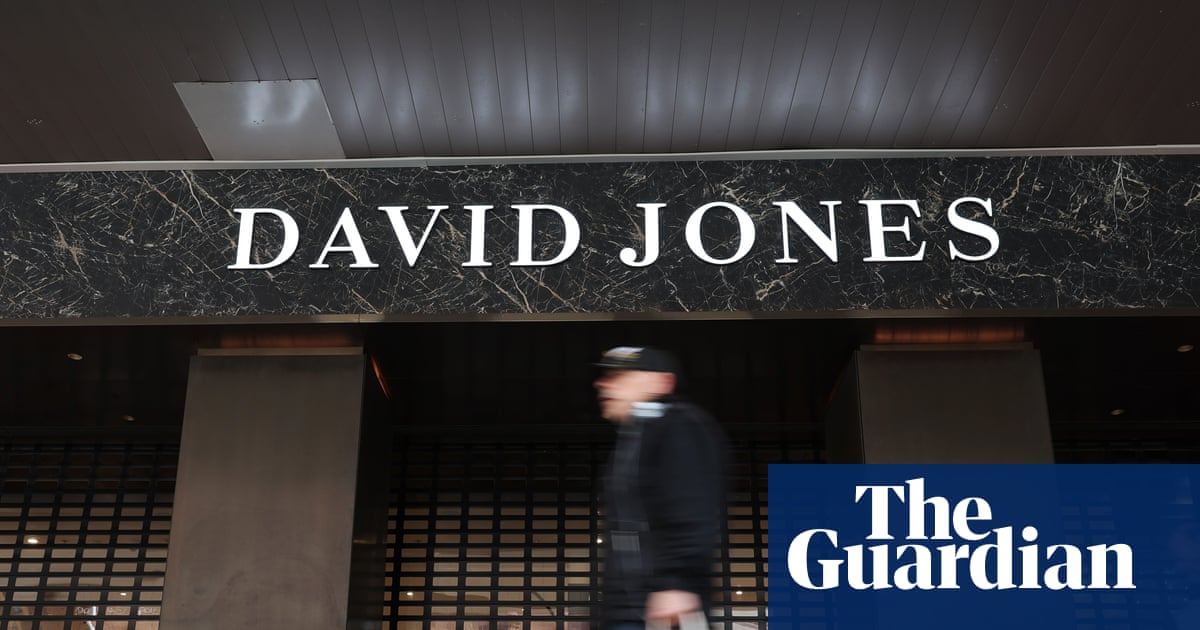
Australia’s oldest department store chain, David Jones, is undergoing a drastic contraction that will see half of its retail network shut down. Receivers from FTI Consulting announced on Wednesday that an urgent restructuring plan has been initiated, marking a significant turning point for the historic brand. The move follows the company’s collapse into voluntary administration last week, a development that signals severe financial distress after years of mounting losses.
The restructuring involves the immediate consultation process for staff working at nineteen specific locations identified for closure. These stores span multiple states and territories, including seven in New South Wales, three each in Victoria and Western Australia, two each in Queensland and South Australia, one in the Australian Capital Territory, and the company’s only store in Auckland, New Zealand. While these locations will continue to trade for the immediate term, receivers anticipate they will cease operations by the end of the year.
The scale of the job losses is substantial, given that David Jones employs more than six thousand people across its thirty-eight stores. The decision to close nineteen sites represents a major reduction in the company’s physical footprint. FTI Consulting stated that the restructure is necessary to address the business's financial viability, with no final date yet set for the exact timing of each closure beyond the year-end expectation.
The operational control of the business has shifted under a dual appointment structure. FTI Consulting acts as receivers, managing day-to-day operations, while administrators from McGrathNicol are tasked with finding a buyer or securing a fresh injection of capital. This separation of duties aims to stabilize immediate operations while exploring long-term solutions for the retailer’s future.
Erica Berchtold, the chief executive of David Jones, communicated to suppliers that the business could no longer continue under its current model. She described the store portfolio as misshapen for the modern market, emphasizing that the changes are essential for creating a financially sustainable network. The correspondence highlighted the need to adapt to a retail landscape that has shifted significantly away from traditional department store models.
The financial troubles stem from years of steep losses as the retailer struggled to compete with online retailers and standalone upmarket stores. David Jones failed to carve out a profitable niche in a sector disrupted by changing consumer habits and digital commerce. The company’s private equity owner, Anchorage Capital, has long advocated for a slimmer version of the business, free from the burden of long-term leases on underperforming sites.
Hilco Global, the primary secured lender, holds a decisive role in the retailer’s fate. Having appointed FTI as receivers to protect its financial interests, Hilco is placing representatives into the stores marked for closure starting Thursday. These staff members will assist in accelerating sales and promotional activities at the store level, aiming to maximize value from remaining inventory before the locations shut down.
Financial documents released recently reveal that administrators reviewed the company’s finances months before it fell into administration. Some small suppliers are owed money dating back to stock sent in April, well before David Jones missed rent payments. Anchorage Capital is expected to make a proposal to administrators to repurchase the 188-year-old chain, potentially offering a path forward for the historic brand.
The list of stores slated for closure includes major locations such as Carousel and Garden City in Western Australia, Glen Waverley and Highpoint in Victoria, and several sites in New South Wales including Hornsby, Macarthur Square, and Parramatta. Other affected locations include Marion and West Lakes in South Australia, Robina Town Centre and Sunshine Plaza in Queensland, Woden in the ACT, and Newmarket in New Zealand.
As the restructuring unfolds, the focus remains on stabilizing the business while minimizing further financial damage. The outcome of this process will determine whether David Jones can survive as a scaled-down entity or if it faces complete dissolution. The retail sector continues to grapple with the challenges of adapting to digital competition and changing consumer preferences.
Sources behind this briefing
Go to the original reporting
- The Guardian World↗David Jones to close half its stores triggering mass job losses under ‘urgent restructure’