The short version
- David Jones has entered voluntary administration, placing over 6,000 jobs at risk and triggering the appointment of dual administrators and receivers to manage operations.
- The collapse follows a breakdown in negotiations with landlord Scentre Group after the retailer failed to pay rent since September, leading to expected closures of suburban and regional locations.
- Unsecured creditors, including suppliers and gift card holders, face significant financial exposure as experts warn that vouchers may become worthless if a buyer is not found quickly.
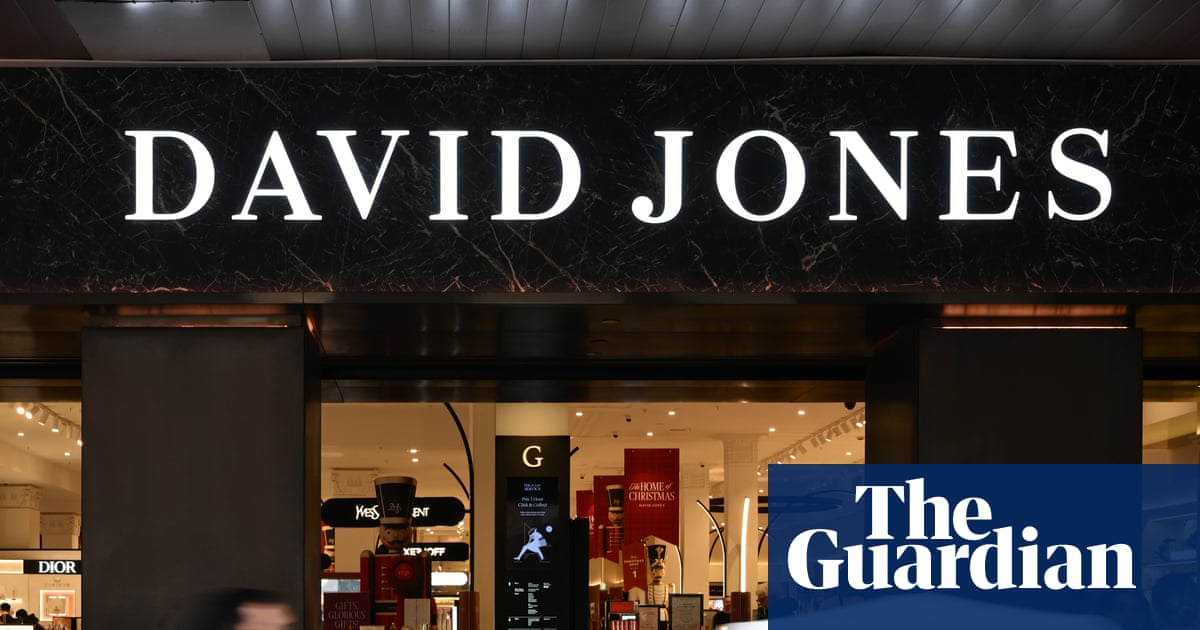
Australia’s premier upmarket department store chain David Jones has entered voluntary administration, marking a dramatic shift for the 188-year-old retailer. The board appointed administrators from McGrathNicol on Thursday, shortly after the company’s primary financier installed FTI Consulting as receivers. This dual appointment structure places day-to-day operational control in the hands of FTI while McGrathNicol seeks a buyer or new capital injection to restructure the business.
The financial distress culminated in a breakdown of negotiations with Scentre Group, the owner of Westfield malls and David Jones’ main landlord. Scentre stated that the retailer had ceased rent payments since September. The landlord claimed it had made a generous offer to Anchorage Capital Partners, the private equity firm that acquired David Jones from Woolworths in 2023, which was subsequently rejected. This failure to secure terms has left the heritage brand unable to sustain its current operational footprint.
Immediate consequences include the likely closure of several locations, with analysts predicting that outer suburban and regional mall stores will be hit hardest. The core network of premier central business district flagship stores is expected to remain open as receivers attempt to preserve the most viable parts of the business. David Jones currently employs more than 6,000 staff across 38 stores, all of whom now face uncertainty regarding their employment status.
Christopher Hill of FTI Consulting described the administration process as an opportunity to restructure the business while acknowledging the difficult decisions ahead. He emphasized a careful management approach mindful of stakeholder impact. Meanwhile, David Jones Chief Executive Erica Berchtold stated that the company has a well-developed plan to reset the business and intends to cooperate fully with administrators, receivers, and secured lenders during this transition period.
The situation poses significant risks for unsecured creditors, particularly unpaid product suppliers and customers holding gift vouchers. Some suppliers have already begun redirecting stock to their own retail outlets in response to non-payment. Consumer experts warn that gift cards may become worthless if the business does not find a buyer or secure fresh capital. Customers are advised to use any remaining gift card balances or earned rewards discounts immediately, as stores appear to be accepting them only for now.
Gerard Dwyer, national secretary of the Shop, Distributive and Allied Employees’ Association, highlighted the priority of retaining as many jobs as possible. He suggested that a smaller, restructured version of David Jones might be preferable to total closure, allowing the brand to rebuild from a more sustainable model. Creditors are scheduled to meet next week to discuss the future direction of the company and potential outcomes for employees and suppliers.
This marks the first time in its nearly two-century history that David Jones has entered administration. The retailer has previously navigated various ownership models, including public listing, foreign conglomerate control, and most recently, private equity ownership under Anchorage Capital Partners. Anchorage lost operational control after failing to turn around the struggling retailer’s financial performance despite years of steep losses.
Potential buyers may emerge during the administration process, with Anchorage Capital Partners possibly re-bidding for the business. Other interested parties could include rival retailers such as Solomon Lew, who controls Myer. The outcome will depend on whether a viable buyer can be found to assume debt and continue operations, or if the brand must undergo a more drastic downsizing to survive in a challenging retail landscape.
Sources behind this briefing
Go to the original reporting
- The Guardian World↗David Jones goes into administration, with store closures expected and thousands of jobs at risk


