The short version
- DataVita has updated its plans for the Chapelhall development to rely entirely on the National Grid rather than direct renewable connections.
- The company maintains that grid power will be sourced via renewable agreements, contradicting earlier promises of private wire links to wind and solar farms.
- This adjustment highlights broader challenges facing the UK government's AI strategy, including high energy costs and lengthy grid connection delays.
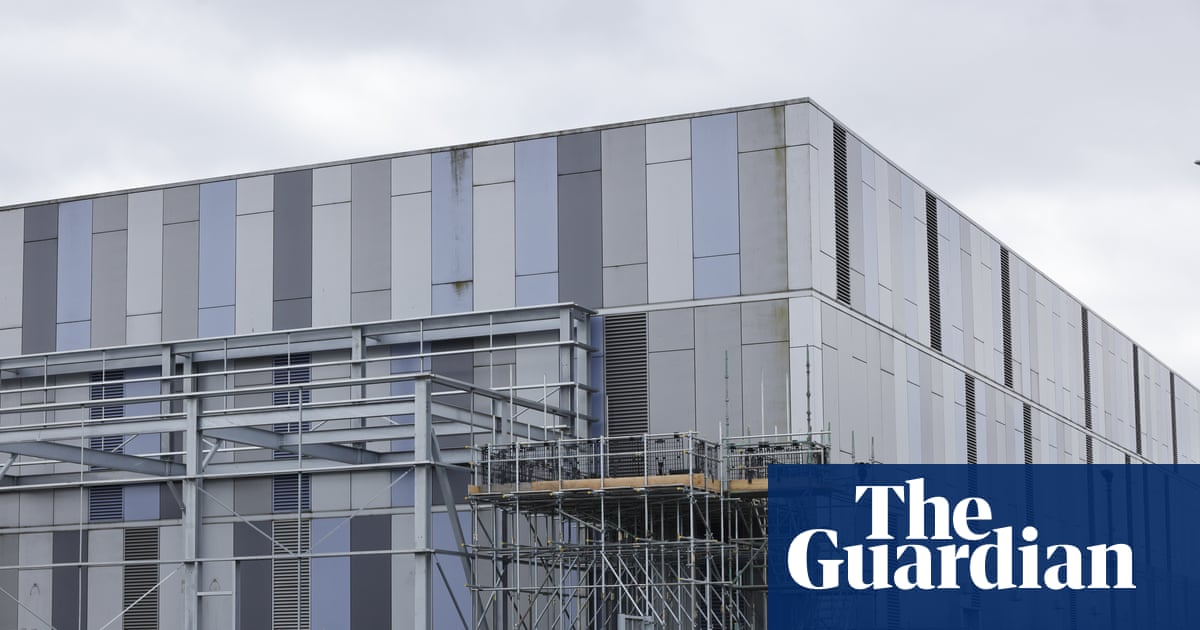
A prominent developer behind a major artificial intelligence infrastructure project in Scotland has significantly altered its approach to power sourcing. DataVita, which is constructing a large-scale datacentre near Glasgow, has moved away from initial commitments to supply the facility with direct renewable energy. The company now confirms that the development will be fully served by the National Grid, marking a departure from earlier assurances that the site would draw one gigawatt of power directly from green sources.
The revised plan for the Chapelhall project, located outside Airdrie in Lanarkshire, indicates that while solar and wind farms could potentially connect to the site in the future, immediate operations will depend on the national electricity network. DataVita states that the energy drawn from the grid will largely consist of renewable power, secured through a renewable power purchase agreement. This shift follows scrutiny regarding the feasibility of the original proposal, which had promised private wire connections directly linking the datacentres to wind, solar, and battery storage facilities.
Despite the change in technical strategy, DataVita continues to receive substantial public backing. The company is currently in receipt of £202 million in wealth guarantees from Britain’s national wealth fund. A spokesperson for DataVita insisted that the organization had not misrepresented its earlier intentions and that its commitment to renewable energy remains unchanged. However, the distinction between direct physical connections to green infrastructure and purchasing renewable credits or grid power represents a notable adjustment in how the project’s environmental credentials are being realized.
This development underscores growing difficulties within the United Kingdom’s broader artificial intelligence strategy. Under former Prime Minister Keir Starmer, the government promoted the construction of massive datacentres across designated zones, offering incentives such as expedited planning approvals and potential energy discounts. DataVita was positioned as a cornerstone of this initiative, tasked with establishing an AI growth zone in Lanarkshire that was expected to generate 3,400 jobs through the construction of a 500-megawatt facility.
However, the strategy has encountered significant headwinds since its announcement. Investigations have revealed that many announced plans lacked solid foundations, particularly regarding energy supply. AI datacentres are among the most energy-intensive structures built to date, and Britain faces higher energy costs compared to much of Europe. Additionally, developers face years-long waits to connect new facilities to the national grid, creating bottlenecks that delay or complicate large-scale projects.
The situation at Chapelhall mirrors issues affecting other key UK AI investments. Two major projects previously announced with considerable fanfare have faced uncertainty due to difficulties in securing adequate power or managing high energy costs. DataVita’s backtracking on its energy plans suggests that the initial optimism surrounding these developments may have overstated the immediate availability of sustainable power solutions. The gap between political ambition and engineering reality is becoming increasingly apparent as projects move from announcement to execution.
Critics argue that the shift reflects a broader pattern of exaggerated claims by datacentre developers in Scotland. Kat Jones, director of the charity Action to Protect Rural Scotland, described DataVita’s change in direction as emblematic of hyperbolic assertions made by the industry. She noted that hyperscale AI facilities cannot operate solely on renewable power due to reliability requirements and inherently depend on a stable grid connection. The adjustment of goals, she suggested, was an inevitable outcome given the technical constraints.
Looking ahead, DataVita has left open the possibility of integrating renewable energy sources in the future through a proposed wind and solar park in North Lanarkshire. However, the immediate reliance on the National Grid means the project’s environmental impact will be tied to the overall cleanliness of the UK power mix rather than dedicated green infrastructure. As the company proceeds with construction, the discrepancy between early promotional materials and current operational plans raises questions about transparency and the sustainability claims underpinning the national AI strategy.
The implications extend beyond a single development in Lanarkshire. If major projects like DataVita’s cannot deliver on direct renewable power promises, it may signal a need for recalibration in how the government supports and evaluates AI infrastructure investments. The reliance on grid power, even if sourced renewably through agreements, does not eliminate the strain on national energy resources or the challenges associated with meeting ambitious climate targets while supporting rapid technological expansion.
Sources behind this briefing
Go to the original reporting
- The Guardian World↗Lanarkshire AI datacentre to fully rely on National Grid despite renewables claim


