The short version
- Local officials in Wyoming halted wastewater acceptance from a Meta datacenter contractor after detecting hazardous bacteria, sparking a legal dispute over testing validity.
- Environmental organizations report that the majority of their current campaigns focus on preventing toxic pollutants, including heavy metals and PFAS, from entering local water systems via datacenter discharge.
- Regulatory actions are increasing nationwide, with enforcement cases in Virginia and West Virginia alongside planned litigation in Georgia regarding metal concentrations in river runoff.
A growing number of municipalities across the United States are confronting unexpected environmental hazards linked to the rapid expansion of artificial intelligence infrastructure. The core issue extends beyond the sheer volume of water consumed by these facilities; it centers on the quality of wastewater returned to public systems or natural bodies of water. Recent incidents involving bacterial contamination, chemical leaching, and thermal pollution have triggered a wave of regulatory scrutiny and community opposition that is reshaping how local governments manage industrial discharge permits.
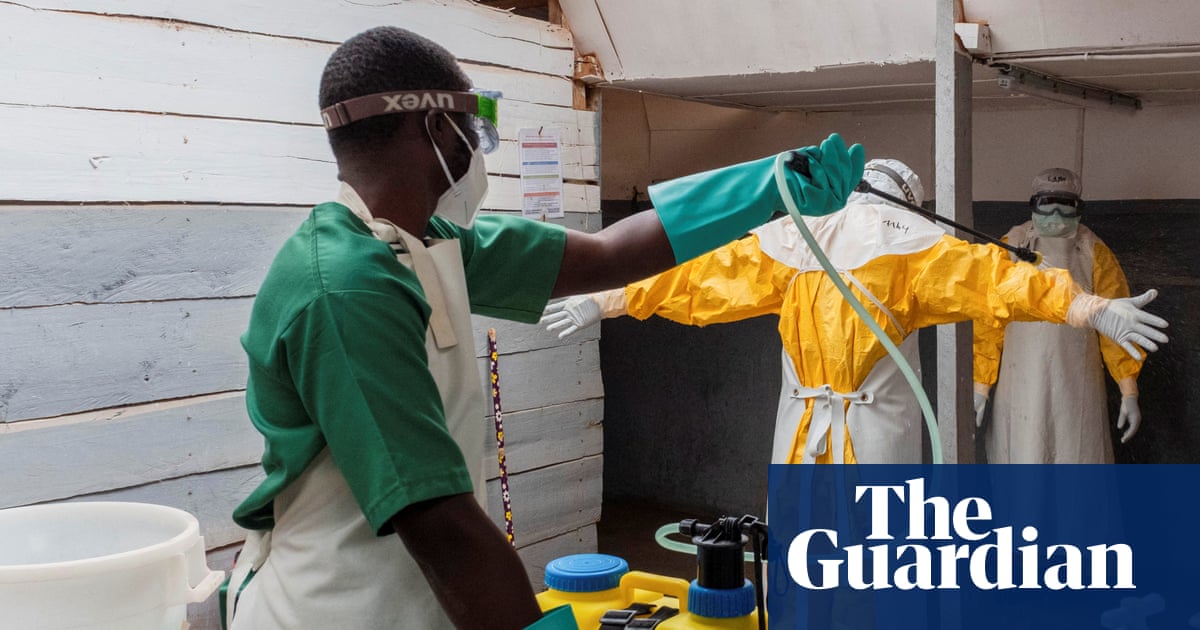
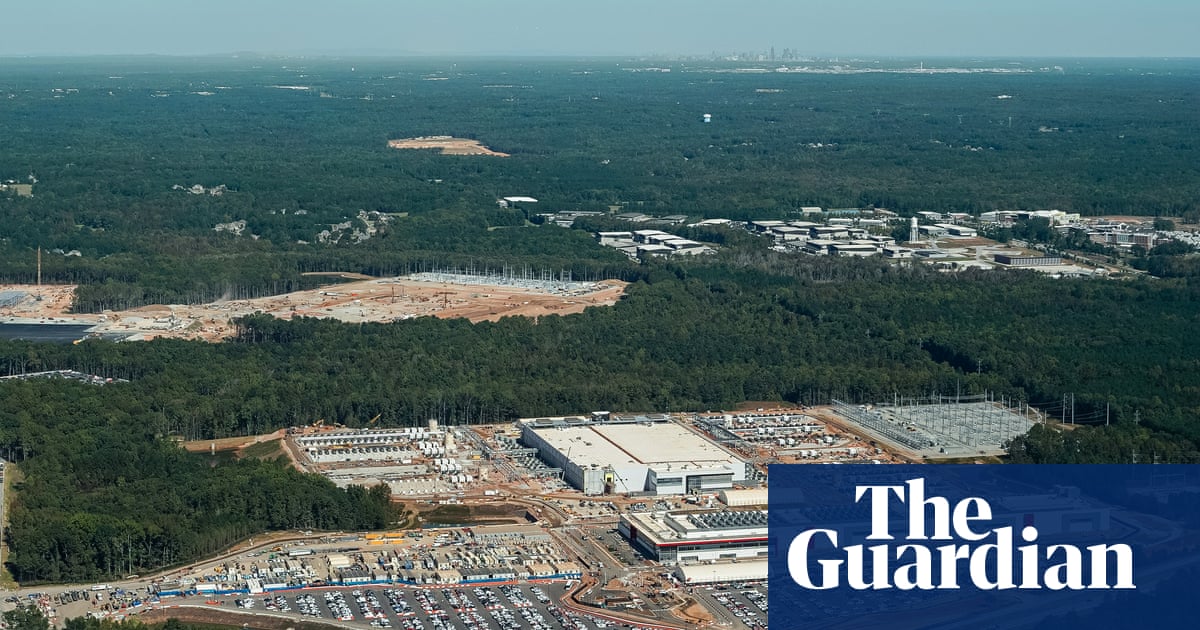
In Cheyenne, Wyoming, the conflict came to a head when city utilities detected Cupriavidus gilardii, a rare bacterium with potential health risks, in wastewater discharged by a contractor for a massive Meta datacenter campus. Although the water was not intended for public drinking supply, officials feared exposure through evaporating droplets used for irrigation. Consequently, the city board of public utilities ceased accepting wastewater from the contractor, Goat Systems, citing caution pending further investigation. This decision has been appealed, highlighting the tension between municipal safety protocols and corporate construction timelines.
Meta has contested the findings, asserting that independent testing by its contractor revealed no evidence of the bacterium and questioning the accuracy of the city’s analysis. A company spokesperson emphasized a commitment to protecting local water resources and noted that the utility board’s own information release confirmed no impact on the public or environment. Despite these assurances, the incident has served as a catalyst for broader concerns regarding the transparency and reliability of self-reported environmental data from tech giants building large-scale AI campuses.
The Wyoming case is part of a wider pattern of violations and alleged pollution incidents spanning multiple states. In Virginia, authorities have initiated enforcement actions against several facilities for breaching wastewater and wetland permits. Meanwhile, in West Virginia, stormwater runoff from an unfinished datacenter has caused flooding in nearby residential areas on two separate occasions. These events underscore the physical risks associated with construction phases, where sediment control and drainage management often fail to meet regulatory standards or withstand heavy rainfall.
Environmental advocacy groups are mobilizing rapidly in response to these developments. The Waterkeeper Alliance reports that fifty-five of its affiliated organizations are currently engaged in datacenter-related issues, with eighty percent focused specifically on preventing pollutant leakage into the environment. These pollutants include persistent organic compounds known as PFAS, heavy metals, and antibiotic-resistant bacteria. The alliance notes that such contaminants have been documented in discharged water from various facilities, raising alarms about long-term ecological damage and public health implications.
Legal challenges are also emerging in the courts. In Georgia, Flint Riverkeeper has announced plans to sue a QTS datacenter in Fayetteville for allegedly discharging significant amounts of dirt and high concentrations of metals into the Flint River over the past two years. This litigation reflects a shift from informal complaints to formal legal accountability, as communities seek redress for perceived environmental harm. The outcome of such cases could set precedents for how strictly discharge permits are enforced and monitored in the future.
The technical aspects of datacenter water use complicate the regulatory landscape. Facilities require substantial water for cooling servers and cleaning debris from pipes during construction operations known as fill and flush cycles. While the industry argues that its water consumption is modest compared to agriculture, a mid-sized facility can still use approximately three hundred thousand gallons daily. Water used in closed-loop cooling systems, often touted for efficiency, can still contain PFAS and other chemicals that may leach into the environment if not properly managed.
Thermal pollution presents another significant concern, particularly in regions where facilities draw from lakes or rivers. Critics point to a gas-fired facility in New York transitioning from cryptocurrency mining to AI workloads, which plans to discharge water heated to one hundred eight degrees Fahrenheit into Lake Seneca. Such temperatures can stress aquatic life, including trout that struggle above seventy degrees, and contribute to harmful algal blooms. These blooms produce toxins that can contaminate drinking water supplies, making it difficult for residents to use tap water for basic needs like showering or flushing toilets.
As the AI boom continues to drive infrastructure development, the intersection of technology growth and environmental stewardship remains a contentious issue. Local governments are increasingly tasked with balancing economic benefits from new investments against the potential costs of pollution and resource depletion. The coming months will likely see more disputes over testing methodologies, permit compliance, and the long-term sustainability of datacenter operations in water-stressed regions.
Sources behind this briefing
Go to the original reporting
- The Guardian World↗US datacenters face further backlash over wastewater pollution